As Typhoon Kalmaegi wreaks havoc in Southeast Asia, scientists say rising temperatures are to blame

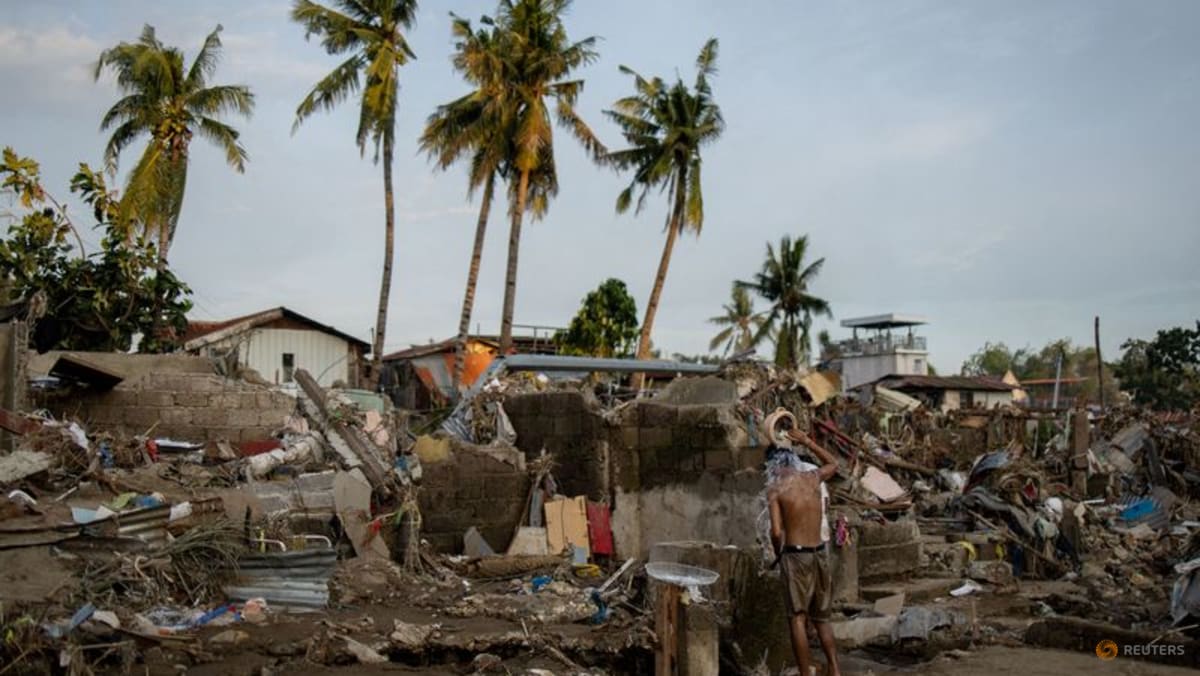
MORE INTENSE BUT NOT YET MORE FREQUENT
While the data does not indicate that tropical storms are becoming more frequent, the number of intense storms has increased, said Mengaldo, who co-authored a study on the role of climate change in September’s Typhoon Ragasa.
“The total number of typhoons occurring each year has not shown a clear long-term increase,” he said.
“Yet, the frequency of the most intense events and rapid intensification episodes has risen, likely driven by warmer oceans and greater atmospheric instability associated with climate change.”
Last year, the Philippines was hit by six deadly typhoons in the space of a month, and in a rare occurrence in November, saw four tropical cyclones develop at the same time, suggesting that the storms might now be happening over shorter timeframes.

“Even if total cyclone numbers don’t rise dramatically annually, their seasonal proximity and impact potential could increase,” said Drubajyoti Samanta, a climate scientist at Singapore’s Nanyang Technological University.
“Kalmaegi is a stark reminder of that emerging risk pattern,” he added.
Source: CNA