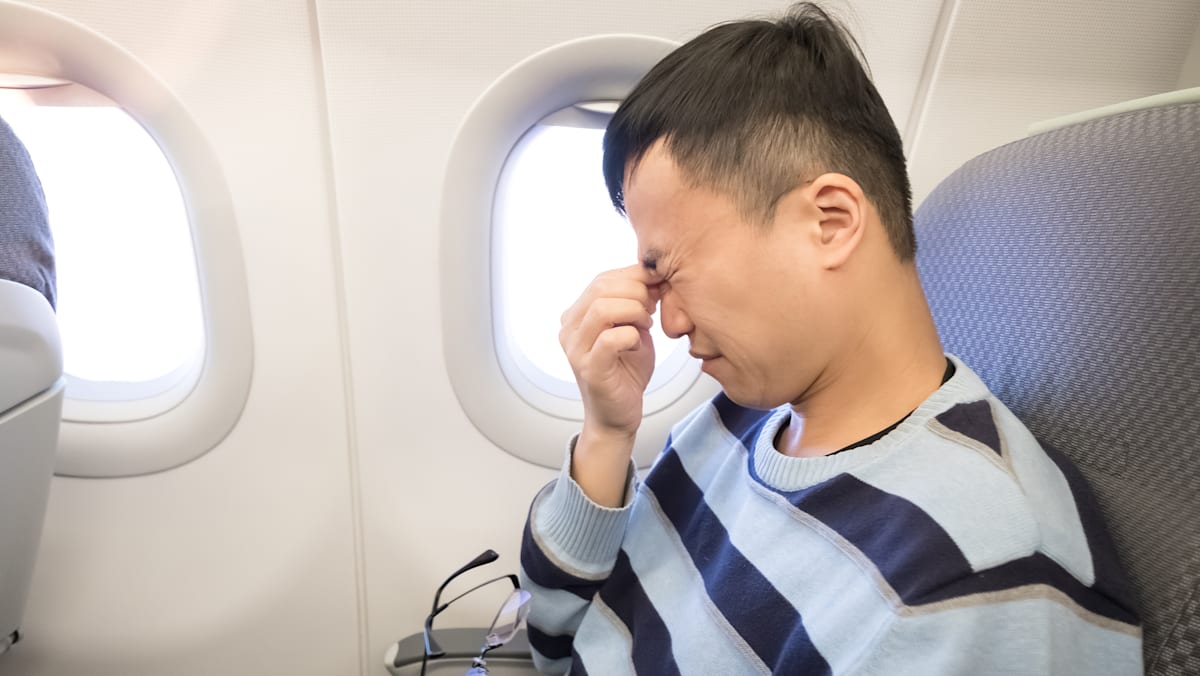
Comfort might be possible if you could fly in peace, but I also have the world’s worst superpower: I attract crying babies. High-pitched kids inevitably draw close to my seat, like diapered, howling magnets.
And it turns out their screams do more than strain the ears. A study just released by researchers at Jean Monnet University in France found that toddler’s shrieks cause the body temperature of people around them to spike – we literally get hot and bothered by their stress.
Not that most of us need the help. Increased rates of chaotically bumpy flights certainly aren’t helping. A few high-profile turbulent journeys, including on Singapore Airlines, have made the headlines, but they’re far from outliers.
This dangerous phenomenon can even occur when there’s no stormy weather: So-called “clear-air” turbulence, invisible to pilots, has ballooned in rates by 55 per cent since 1979 in some areas. The culprit: Warming air from climate change. The prognosis: Not good, according to researchers who note that “turbulence strong enough to pose an injury risk could double or triple in frequency”.
No wonder there are legions of airborne pessimists like me. Singaporean Jaclynn Seah, who runs a blog called The Occasional Traveller, is one of them. Seah has visited some 60 countries, and agrees that flying has lost much of what glamour it had, even as they add sneaky expenses to your user journey.
“I hate that airline websites nowadays nickel and dime everything, even things like using your credit card for payment,” she said. While a customer’s options are almost limitless, “ultimately because of budget airlines and cutting costs to go ‘no frills’, a lot of the older expectations of the flying experience like food, proper blankets, and entertainment have become optional now.”
Seah’s pet hate is a lack of cabin cleanliness. Her first task after boarding: Wiping all the seat surfaces with a wet wipe. “Not just because of COVID,” she said, “but in general the seats don’t get cleaned that much in a turnaround flight.” Her packing pro tip: Always bring noise cancelling earbuds.
“Blocking out the constant roar of the plane does so much to calm you, even if you aren’t listening to any music – I usually have a hoodie on so I’m not directly touching the chair and also to keep my earbuds in discreetly.”
UP IN THE AIR
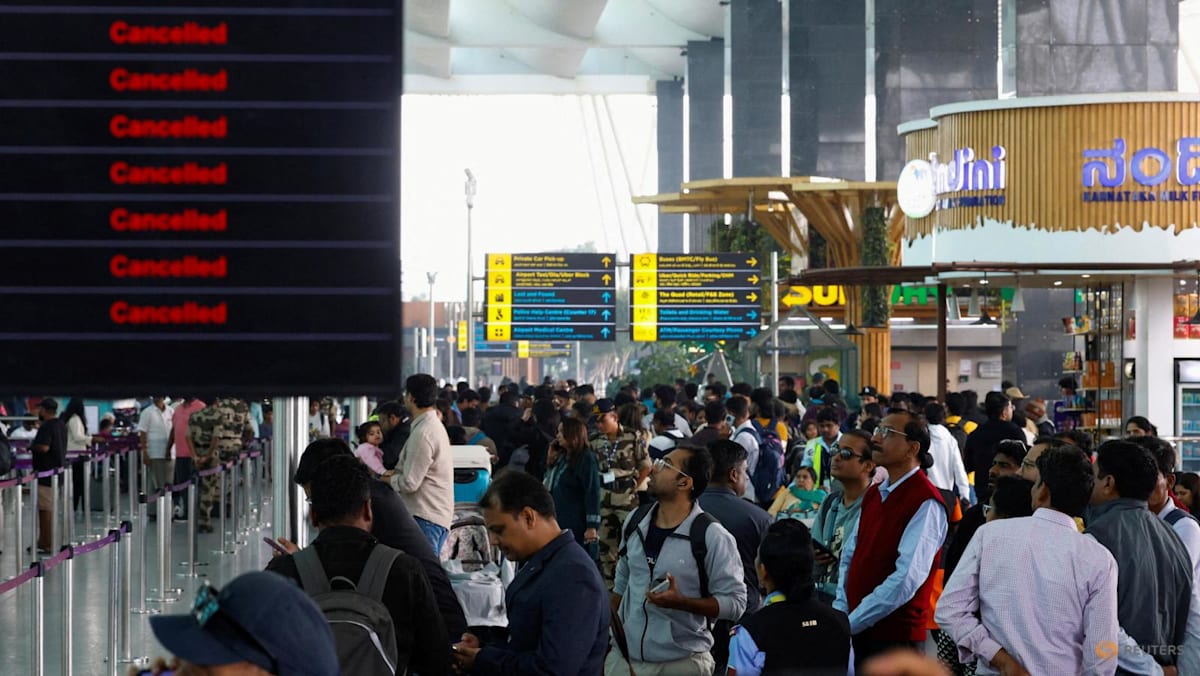
Whether your flight arrives or takes off on time is another matter. A constant slew of factors, from severe weather events, strikes and even cyberattacks can affect hundreds of flights at once, and leave passengers in limbo for hours.
Yuri Cath can sympathise. She was flying home from Paris to Singapore this summer, and fell asleep shortly after boarding, expecting to be airborne in a few minutes. No such luck. Awakening from a long nap, she found they were still on the runway. Even worse, “we weren’t allowed to leave our seats or even use the toilet,” she said.
Six hours after the original departure time, the pilot finally announced there was a brake malfunction and that engineers were on their way. “Another hour passed with no updates,” said Cath. Long story short: The plane wasn’t fixed, and she slept in a hotel lobby in Paris’ Charles De Gaulle Airport, as no rooms were available.
Her lesson from the saga? “Always splurge for premium economy.” The extra legroom comes in handy when a long flight spends half the time on the ground. “Premium economy quality differs from brand to brand though, so your mileage may vary.”
HOW TO FIND COMFORT IN ECONOMY
I often ask friends what they do to make their flight less of a pain. Some responses are practical – like flying on airlines with a bid-to-upgrade system through their website or app, which means you could get premium or business seats for a fraction of the cost. Or getting a credit card that lets you convert your spending into air miles at a respectably high rate, such as the DBS Altitude Credit Card for those in Singapore. Or the rise in parents not holidaying with children, enjoying so-called “momcations” with less mid-travel hassle.
Source: CNA