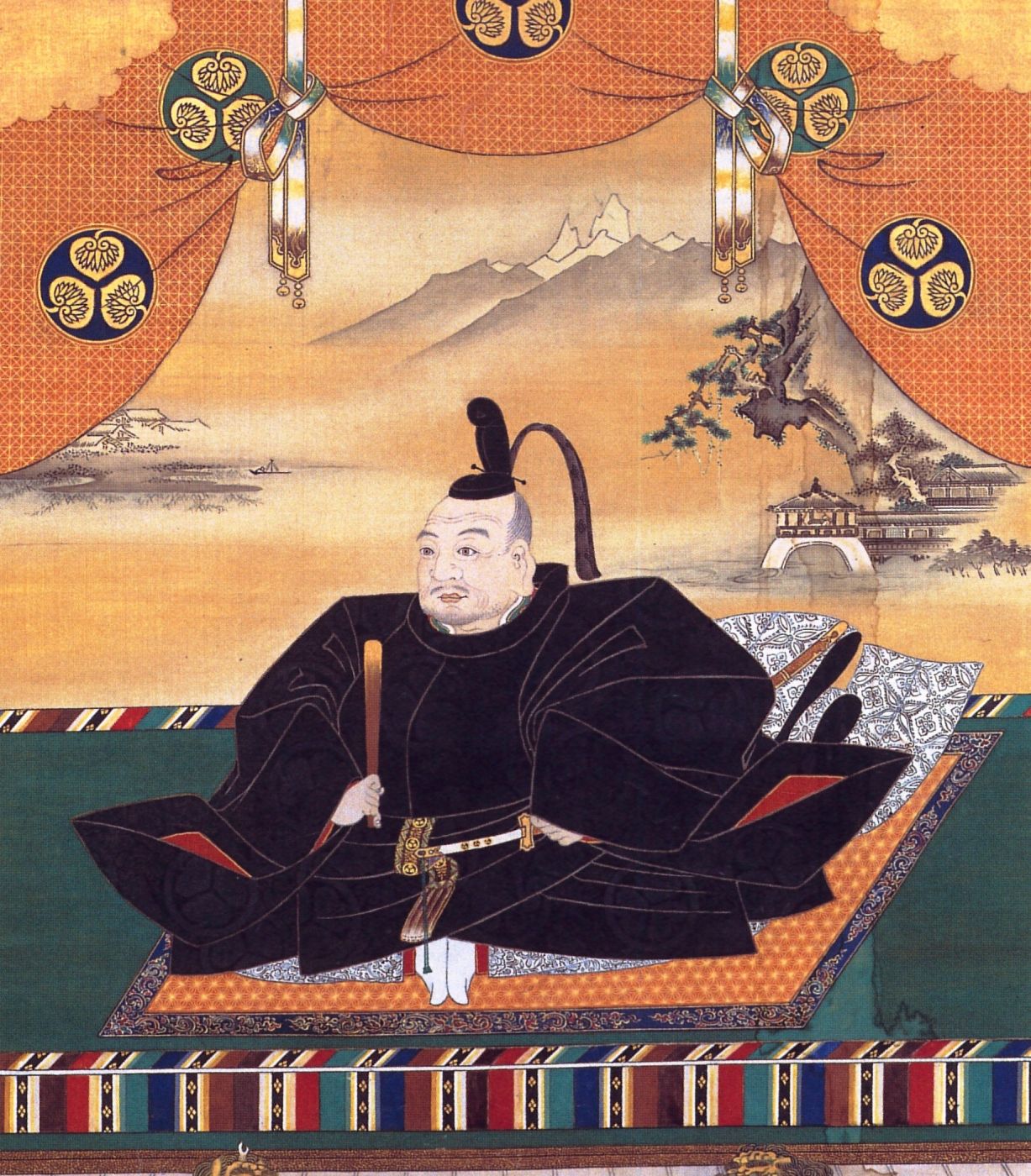
The Edo Period
The Edo Period was an era of relative peace and stability in Japan under Tokugawa Shogunate rule, spanning from 1603 to 1868 and characterized by significant cultural flourishing and strict social order.
Bringing over two centuries of remarkable peace and stability following generations of civil war, this era's strict isolation from the outside world eventually gave way to dramatic modernization once outside pressure arrived.
Peace After Centuries of War
The Edo Period brought over two centuries of relative peace and stability to Japan under Tokugawa Shogunate rule, following the chaos of the preceding Sengoku Period.
Strict Social Hierarchy
The period featured a rigid social hierarchy with strictly defined roles for samurai, farmers, artisans, and merchants, enforced through comprehensive government regulation.
National Isolation Policy
The Tokugawa Shogunate implemented a strict isolation policy, severely restricting foreign contact and trade for most of the period.
Ending with Forced Modernization
The Edo Period ended when foreign pressure, particularly from the United States, forced Japan to open to international trade, eventually leading to the Meiji Restoration.