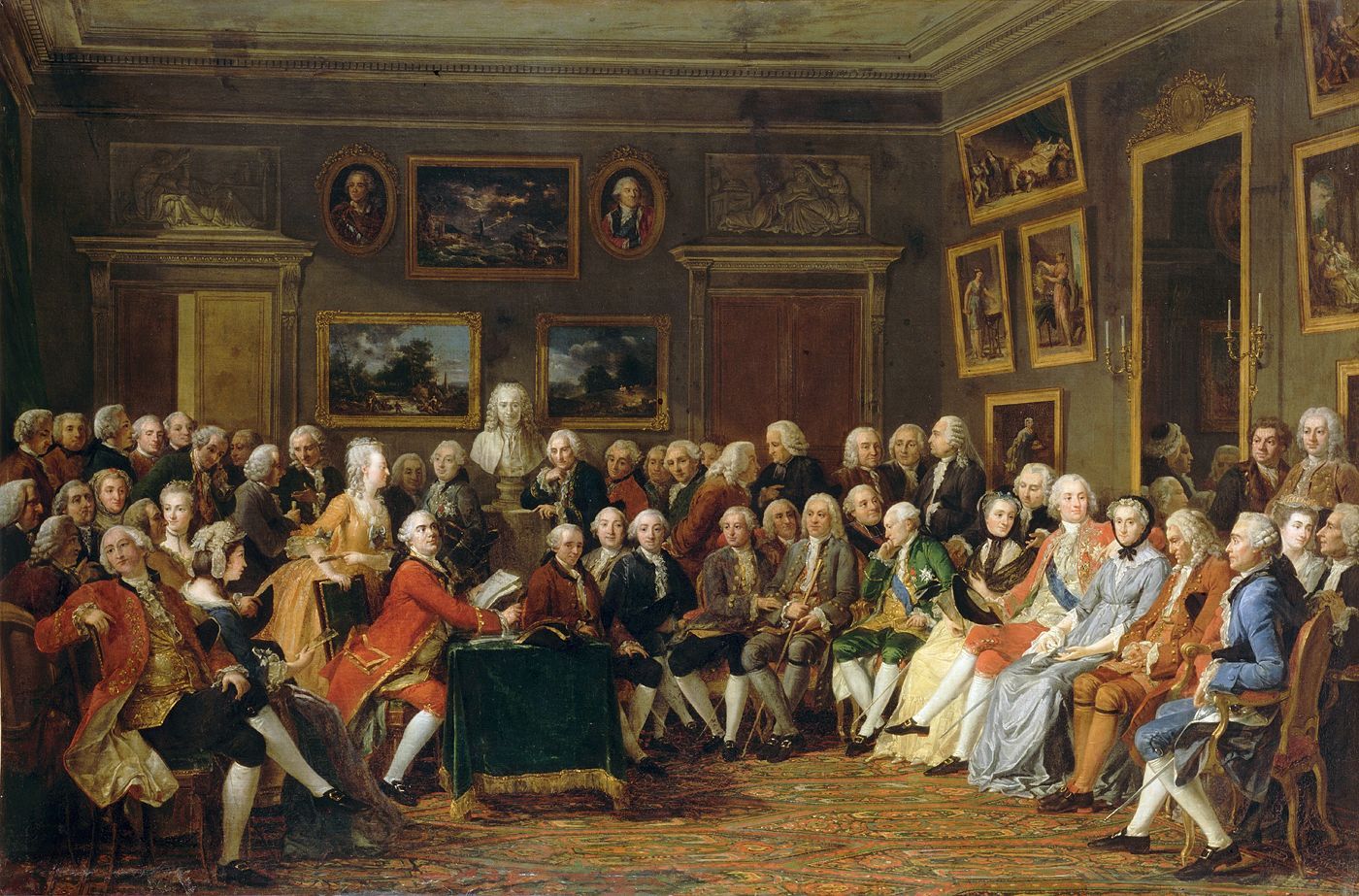
The Enlightenment
The Enlightenment was an intellectual movement that flourished across Europe during the 17th and 18th centuries, emphasizing reason, individual liberty, and skepticism toward traditional authority.
Championing reason and empirical evidence over inherited tradition and religious dogma, this intellectual movement laid the philosophical groundwork for modern democracy, science, and human rights.
Championing Reason Over Tradition
Enlightenment thinkers emphasized reason and empirical evidence as the primary paths to knowledge, challenging the authority of religious institutions and hereditary monarchy.
Influential Philosophers
Figures including Voltaire, John Locke, and Immanuel Kant produced influential writings on liberty, governance, and human rights that shaped subsequent political thought.
Fueling Revolutionary Movements
Enlightenment ideas about individual rights and government by consent directly influenced both the American and French Revolutions, providing intellectual justification for challenging monarchical rule.
A Lasting Legacy
The Enlightenment's emphasis on reason, science, and individual liberty remains foundational to modern democratic governance and continues shaping contemporary political and philosophical discourse.