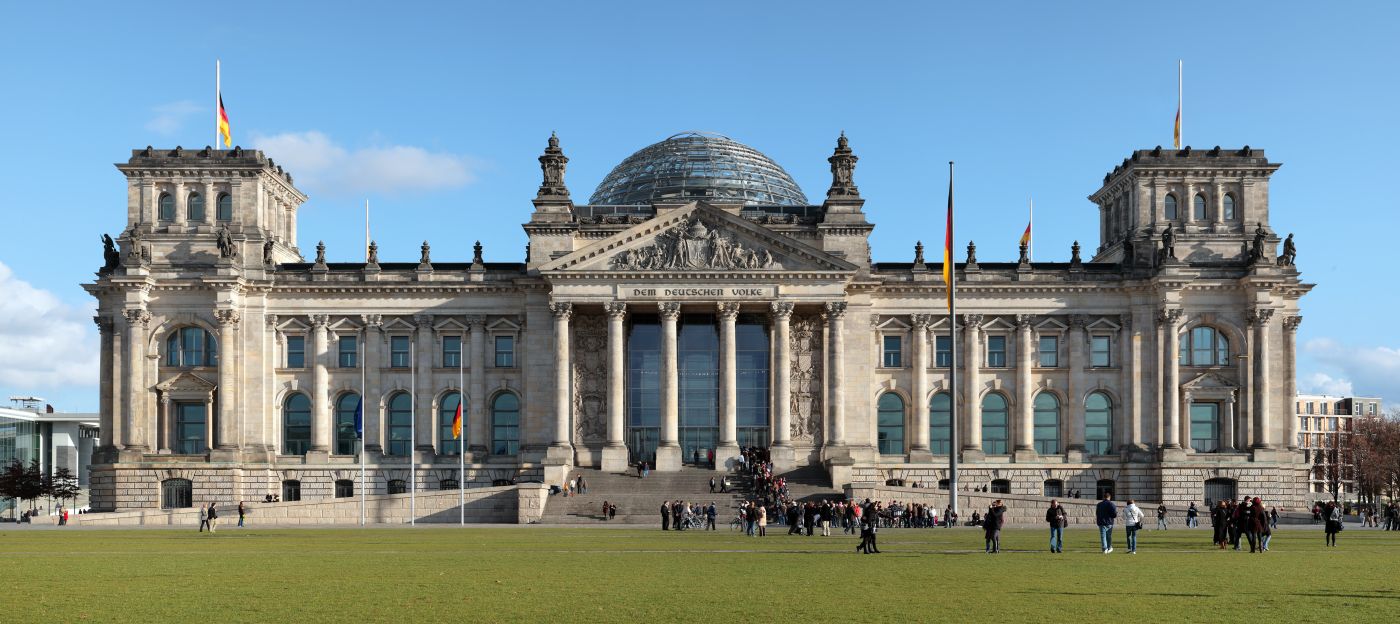
The Weimar Republic
The Weimar Republic was the German government from 1919 to 1933, established following World War I's end, ultimately collapsing amid economic crisis and the rise of Nazi power.
Emerging from the ashes of a devastating world war and struggling against relentless economic and political crises, this fragile democratic government's collapse opened the door to one of history's darkest chapters.
Emerging from World War I's Defeat
The Weimar Republic was established in Germany following the end of World War I and the abdication of the German monarchy.
Severe Economic Crises
The republic faced severe economic crises, including catastrophic hyperinflation in the early 1920s that wiped out savings and severely damaged public confidence in the government.
Political Instability
The Weimar Republic experienced significant political instability, with numerous competing political factions and frequent changes in government throughout its existence.
Collapse and the Rise of Nazi Power
The republic ultimately collapsed in 1933 amid continued economic hardship and political turmoil, paving the way for Adolf Hitler's rise to power.