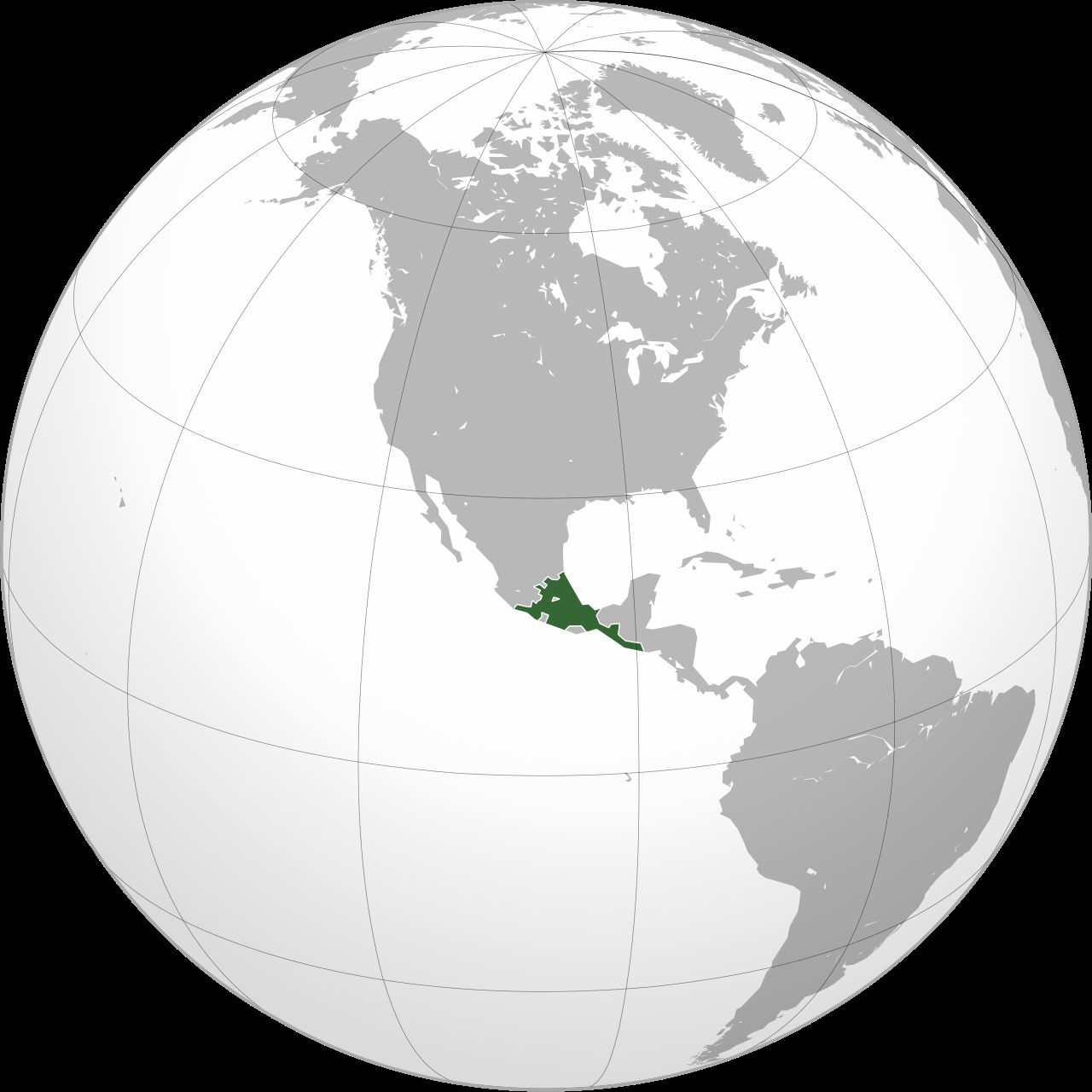
The Aztec Empire
The Aztec Empire was a powerful Mesoamerican civilization centered at the city of Tenochtitlan, dominating much of central Mexico before its conquest by Spanish forces in the early 16th century.
Built on an island in the middle of a lake, this empire's capital grew into one of the largest cities on Earth before falling to a small force of Spanish conquistadors aided by rival Indigenous allies.
An Alliance of Three Cities
The empire was formed in 1428 through a strategic alliance of three city-states — Tenochtitlan, Texcoco, and Tlacopan — which together conquered and controlled surrounding territories across central Mexico.
A City Built on a Lake
The empire's capital, Tenochtitlan, was built on an island in Lake Texcoco and grew into one of the largest cities in the world at the time, featuring sophisticated causeways, canals, and towering temple complexes.
Floating Gardens
The Aztecs developed remarkably advanced agricultural techniques, including artificial floating gardens known as chinampas, which allowed the empire to sustain a large urban population despite the lake's challenging environment.
A Society Built on Religion
Aztec society was organized around a complex religious and social structure centered on a pantheon of deities who were believed to require regular ritual offerings, including human sacrifice, to maintain cosmic balance and ensure the world's continued existence.
Conquest by Cortés
The empire fell to Spanish conquistador Hernán Cortés in 1521, aided significantly by strategic alliances with Indigenous groups who resented Aztec rule, as well as the devastating impact of European diseases like smallpox on the local population.