The Cultural Revolution
The Cultural Revolution was a sociopolitical movement in China from 1966 to 1976 launched by Mao Zedong, resulting in significant social upheaval, violence, and disruption of Chinese education and culture.
Launched to reassert revolutionary purity and eliminate perceived political rivals, this decade-long upheaval unleashed chaos across Chinese society and disrupted education and cultural life for an entire generation.
Reasserting Revolutionary Purity
Mao Zedong launched the Cultural Revolution partly to reassert his political authority and eliminate perceived rivals within the Chinese Communist Party.
The Role of Young Radicals
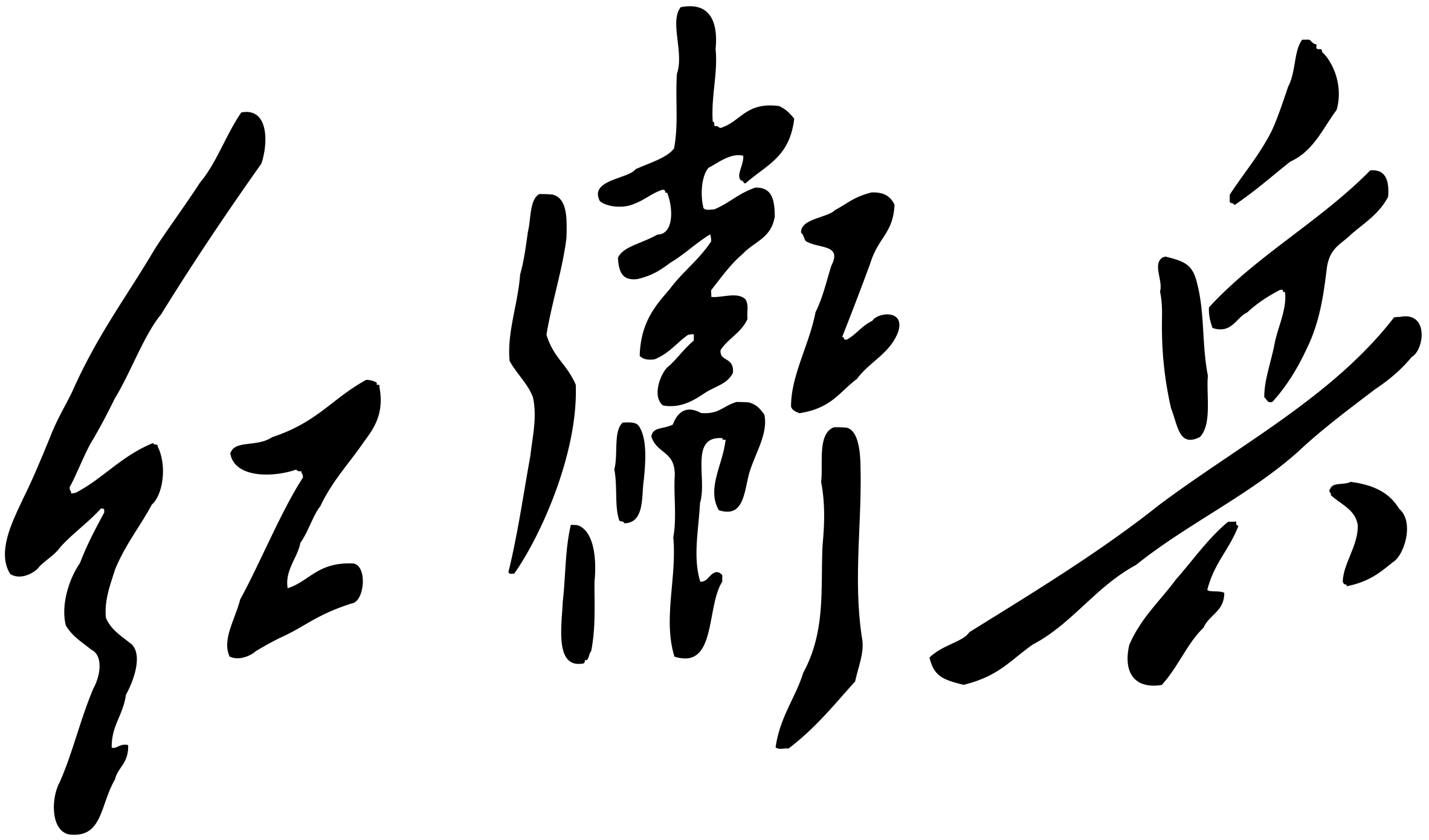
The movement mobilized young radicals known as Red Guards, who violently targeted perceived enemies of the revolution, including teachers, intellectuals, and government officials.
Widespread Social Disruption
The Cultural Revolution caused widespread social disruption, significantly damaging China's education system and cultural institutions for the better part of a decade.
A Painful National Reckoning
Following Mao's death, the Chinese Communist Party officially denounced the Cultural Revolution's excesses, acknowledging significant harm caused during the tumultuous period.