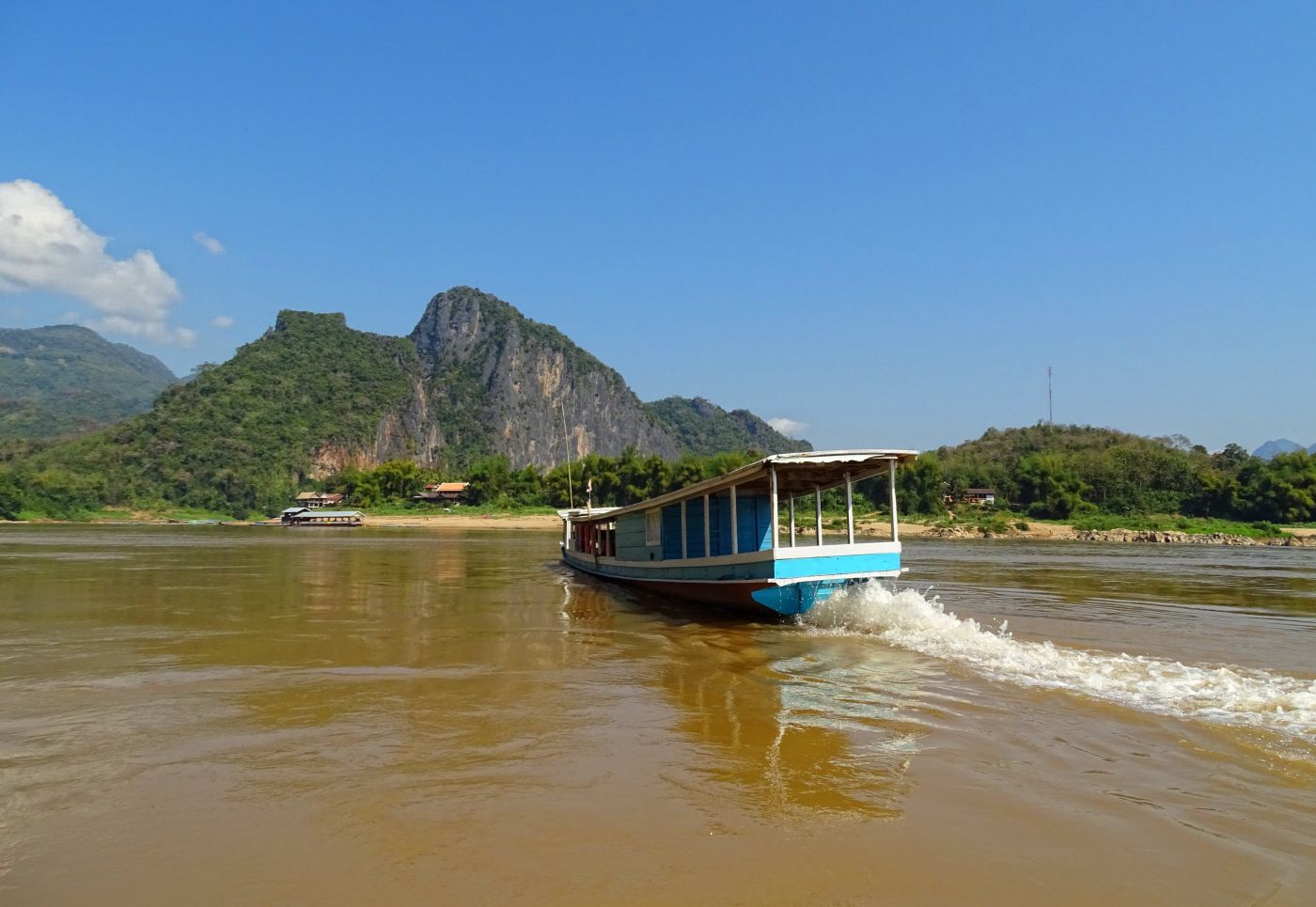
The Mekong River
The Mekong River is one of the great rivers of Asia, flowing from the Tibetan Plateau through six countries before emptying into the South China Sea through an expansive delta in southern Vietnam. It sustains the livelihoods of over 70 million people and harbors extraordinary biodiversity, including hundreds of fish species found nowhere else on the planet.
Born among the glaciers and high-altitude plateaus of Tibet and coursing through some of Southeast Asia's most dramatic landscapes — from the steep gorges of Yunnan to the vast floodplains of Cambodia — this mighty river is both the lifeblood of an entire region and one of the world's most ecologically rich and politically contested waterways. Its fate is increasingly shaped by the competing demands of nations, dams, and a changing climate.
Course and Geography
The Mekong originates on the Tibetan Plateau at an elevation of over 5,000 meters before descending through China's Yunnan Province in a series of dramatic gorges, then broadening as it forms the border between Myanmar and Laos, and continues through Laos, Thailand, Cambodia, and Vietnam. Its vast Mekong Delta in southern Vietnam is one of the world's most productive agricultural regions, often called the "rice bowl" of Southeast Asia.
Biodiversity and Ecology
The Mekong basin is one of the most biodiverse freshwater ecosystems on Earth, second only to the Amazon in terms of fish species richness, with over 1,000 known species of fish. Notable inhabitants include the Mekong giant catfish, one of the largest freshwater fish in the world, as well as the critically endangered Irrawaddy dolphin and the giant freshwater stingray.
Human Dependence and Culture
More than 70 million people across six countries depend on the Mekong for food, water, and their livelihoods, with millions relying on the river's extraordinary annual flood pulse to fertilize farmland and replenish fisheries. The river is also central to the cultural and spiritual identity of communities throughout the region, featuring prominently in local festivals, folklore, and religious traditions.
Dams, Politics, and Environmental Threats
The construction of numerous hydroelectric dams — particularly China's cascade of dams on the upper Mekong, known in China as the Lancang — has dramatically altered the river's flow, sediment transport, and fishery productivity downstream. The Mekong River Commission, an intergovernmental body involving Cambodia, Laos, Thailand, and Vietnam, works to manage shared water resources, but tensions over dam construction and water rights continue to intensify.