🌍 Geography
Countries, regions, landmarks, and natural features

The Amazon Rainforest is the world's largest tropical rainforest, spanning nine countries in South America and home to an estimated 10% of all known species on Earth.

Amsterdam is the capital of the Netherlands, known for its extensive canal network, historic architecture, and status as a major European cultural and financial center.
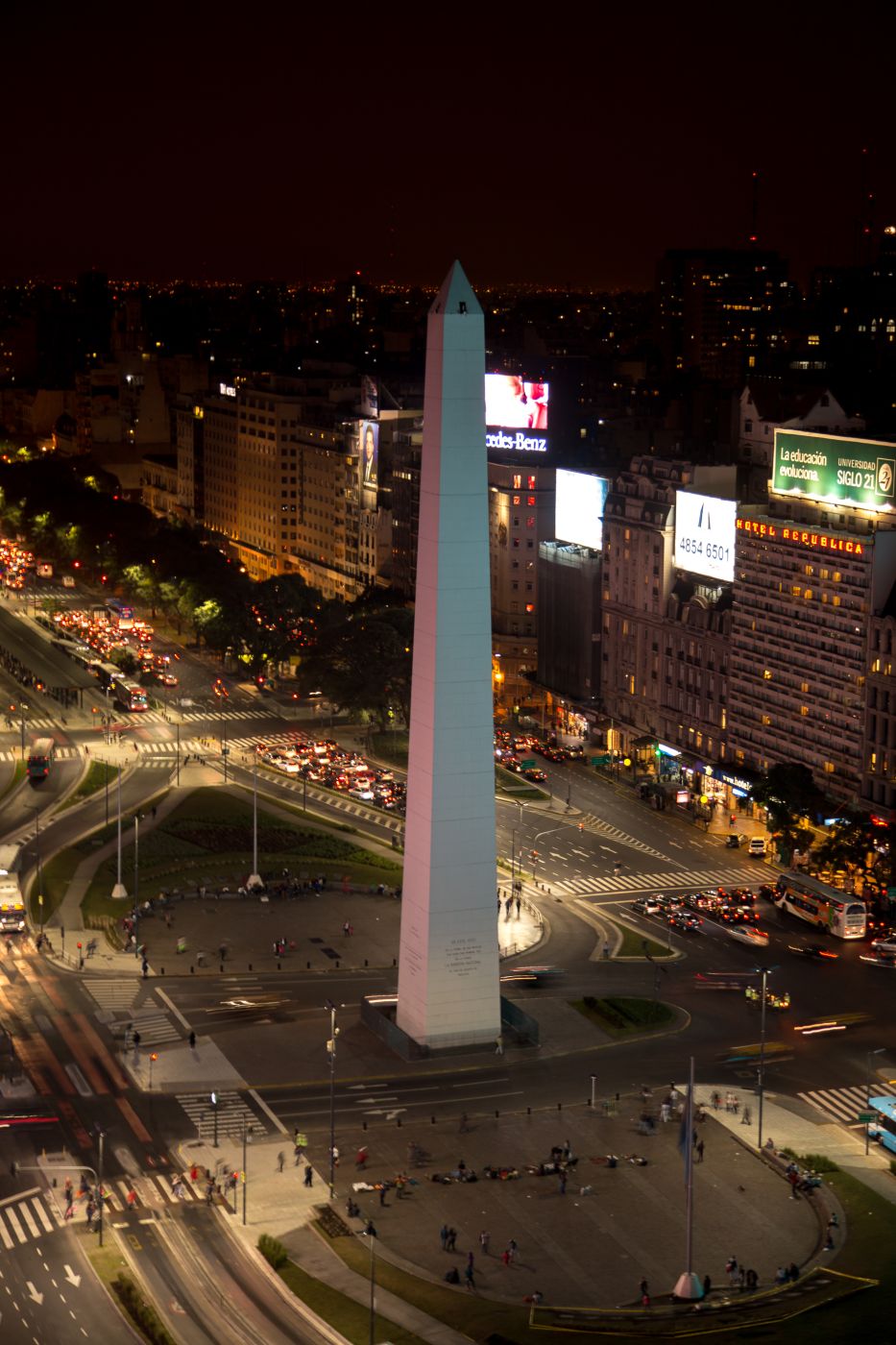
Argentina is the second-largest country in South America, known for its diverse landscapes ranging from the Andes mountains to Patagonian glaciers, and its distinctive tango culture.

Auckland is the largest city in New Zealand, known for its extensive harbors and significant Polynesian population, often called the "City of Sails."
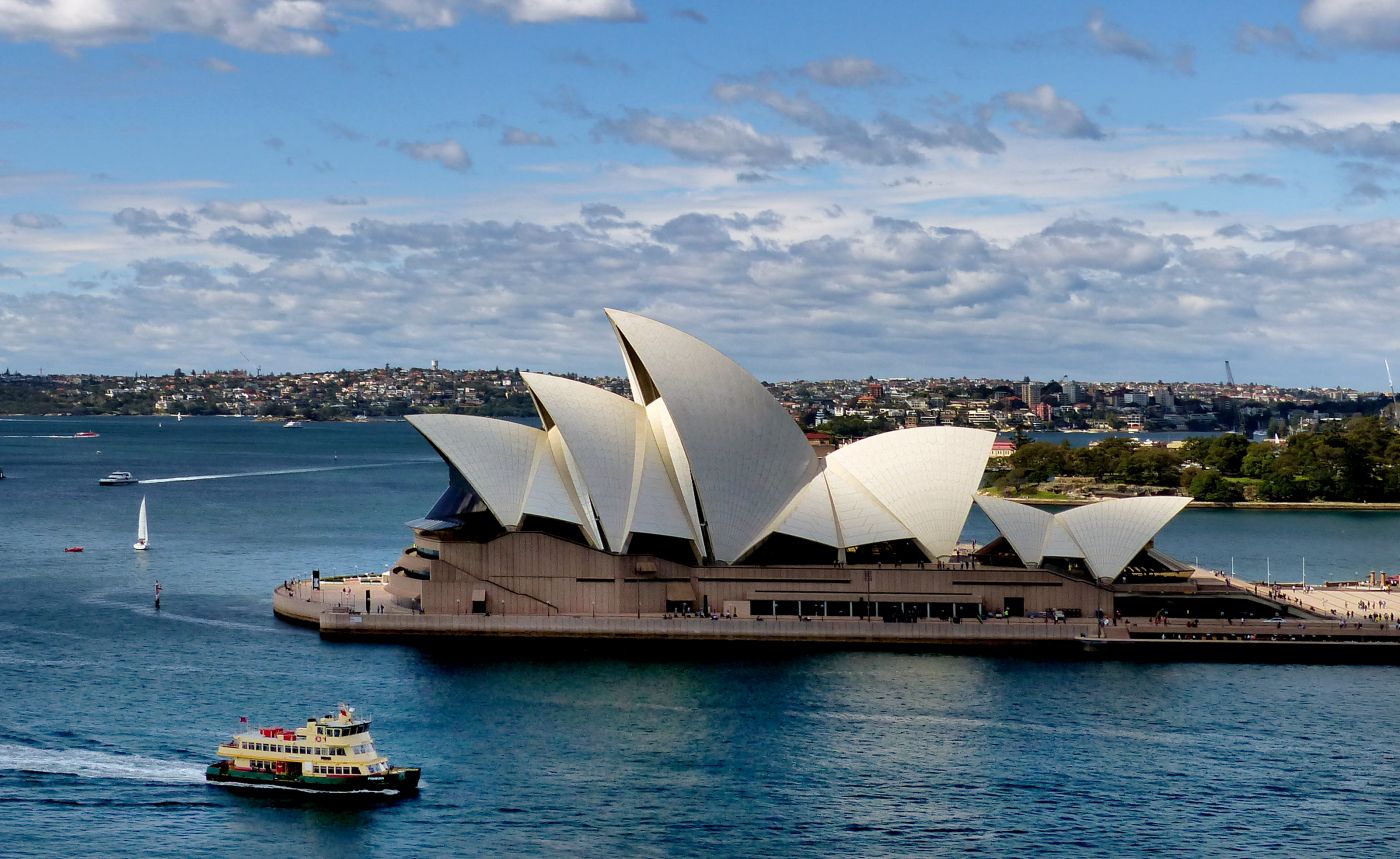
Australia is a country and continent in the Southern Hemisphere, known for its unique wildlife, vast desert interior, and significant coral reef ecosystems.
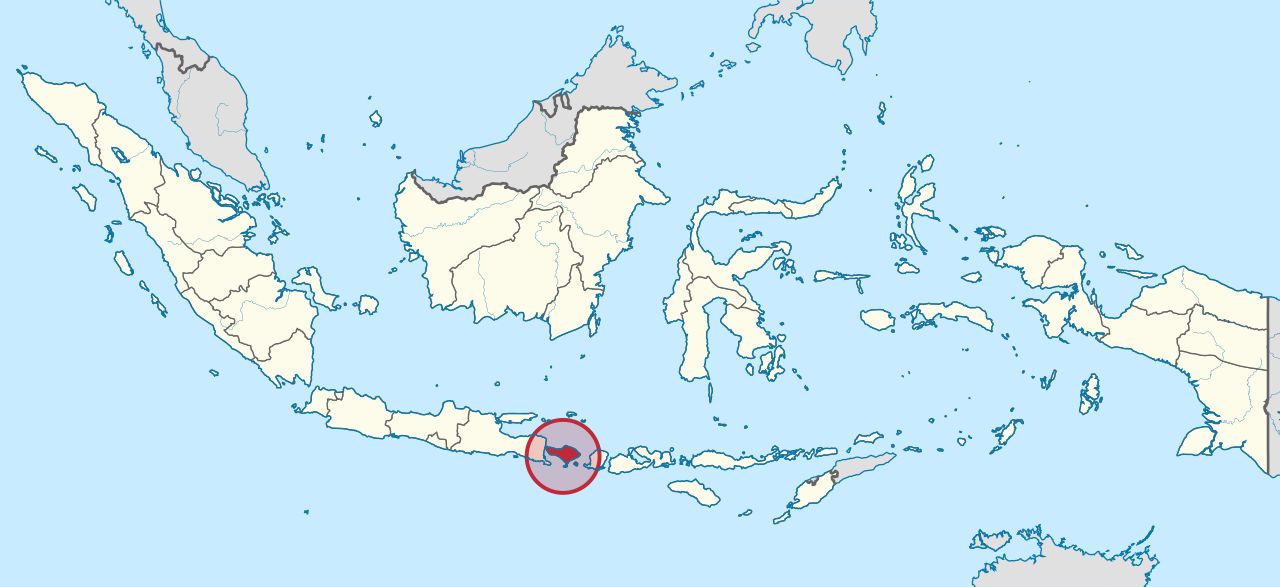
Bali is an Indonesian island renowned for its beaches, rice terraces, and Hindu temples, consistently ranking among the world's most searched and visited travel destinations.

Bangkok is the capital of Thailand, known for its ornate Buddhist temples, vibrant street food culture, and status as one of Southeast Asia's most visited cities.

Barcelona is a major city on Spain's northeastern coast, renowned for the distinctive architecture of Antoni Gaudí and its status as the capital of the Catalonia region.

Beijing is the capital of China, a city with over three thousand years of history that served as the seat of power for numerous Chinese dynasties.

Berlin is the capital of Germany, a city whose modern history has been shaped profoundly by its division during the Cold War and reunification in 1990.

Bogotá is the capital of Colombia, situated high in the Andes mountains, known for significant urban transformation and a thriving cultural and culinary scene.

Brussels is the capital of Belgium and serves as the de facto capital of the European Union, hosting major EU institutions and significant international diplomatic activity.

Budapest is the capital of Hungary, formed from the unification of Buda and Pest on either side of the Danube River, renowned for its thermal baths and grand 19th-century architecture.

Buenos Aires is the capital of Argentina, known for its European-influenced architecture, passionate tango culture, and status as one of South America's most culturally significant cities.

Cairo is the capital of Egypt and the largest city in the Arab world, situated near the ancient pyramids of Giza along the banks of the Nile River.

Cape Town is a major South African city known for its dramatic setting beneath Table Mountain, its role in the country's colonial and anti-apartheid history, and its status as a popular international tourist destination.

Cappadocia is a surreal geological and historical landscape in central Turkey, renowned for its towering volcanic rock formations known as fairy chimneys, its ancient underground cities, and its centuries-old cave churches adorned with Byzantine frescoes. It remains one of the most visually striking and historically layered regions in the world.

The Caspian Sea is the largest inland body of water on Earth, technically a lake despite its name, bordered by five countries and remaining a significant source of oil, gas, and geopolitical tension.
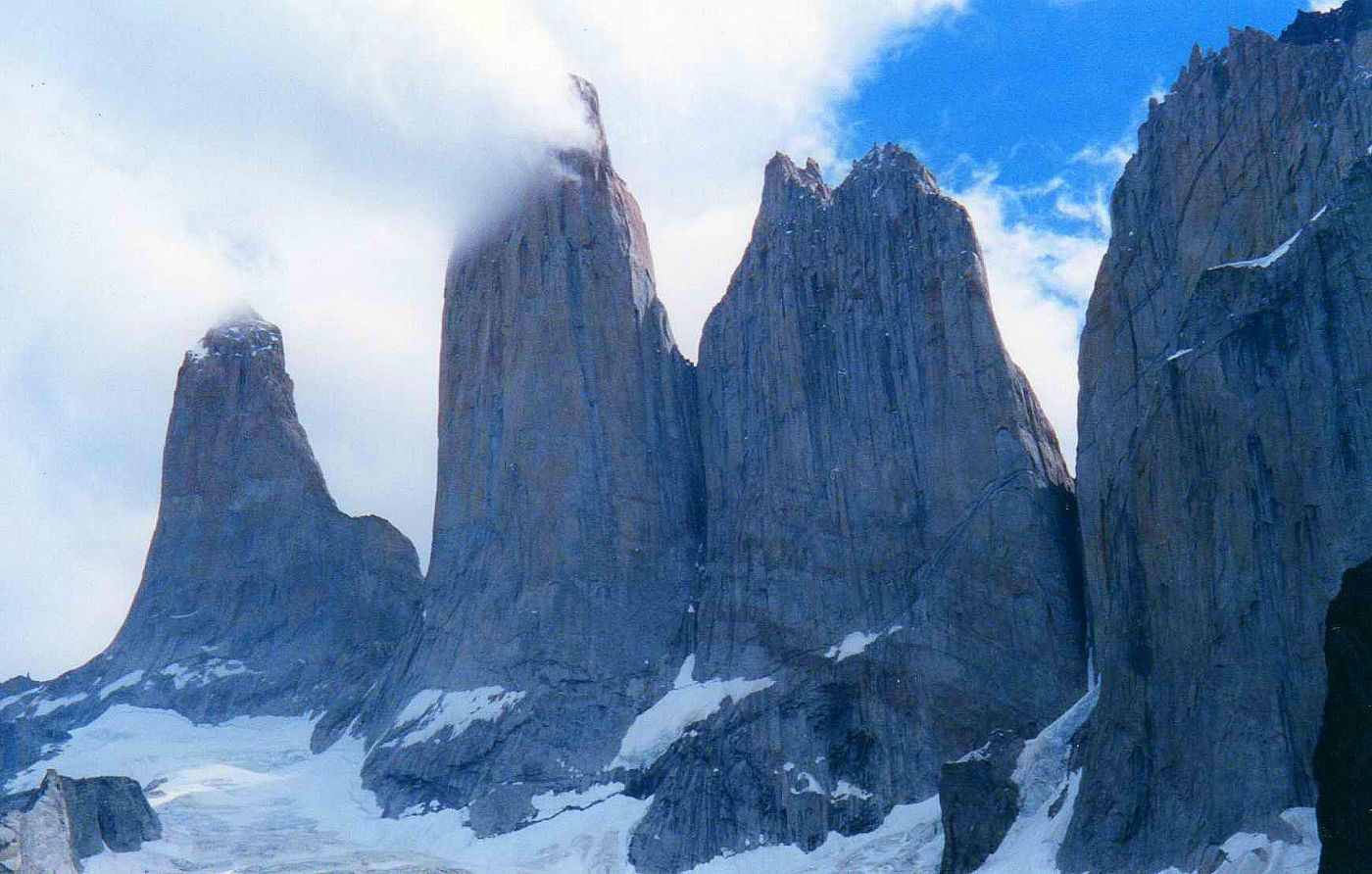
Chile is a long, narrow country in South America stretching along the Pacific coast, known for extraordinary geographic diversity including the Atacama Desert and Patagonian landscapes.

Colombia is a country in South America known for its extraordinary biodiversity, Andean and Caribbean coastal geography, and significant coffee-growing regions.

Copenhagen is the capital of Denmark, consistently ranked among the world's most livable cities and known for its strong cycling culture and commitment to sustainable urban design.

Crater Lake is the deepest lake in the United States, formed within the collapsed caldera of an ancient volcano and renowned for its strikingly clear, deep blue water.

Croatia is a country in Southeastern Europe known for its extensive Adriatic Sea coastline, historic walled cities, and significant Roman-era archaeological heritage.

Doha is the capital of Qatar, transformed from a small fishing and pearling settlement into a major global city through significant investment of natural gas wealth.