🌍 Geography
Countries, regions, landmarks, and natural features

Nepal is a landlocked country in South Asia home to Mount Everest and significant portions of the Himalayan mountain range, renowned for its mountaineering and Buddhist and Hindu heritage.

New York City is the most populous city in the United States, a global center of finance, culture, and media, and home to the iconic Statue of Liberty and Times Square.
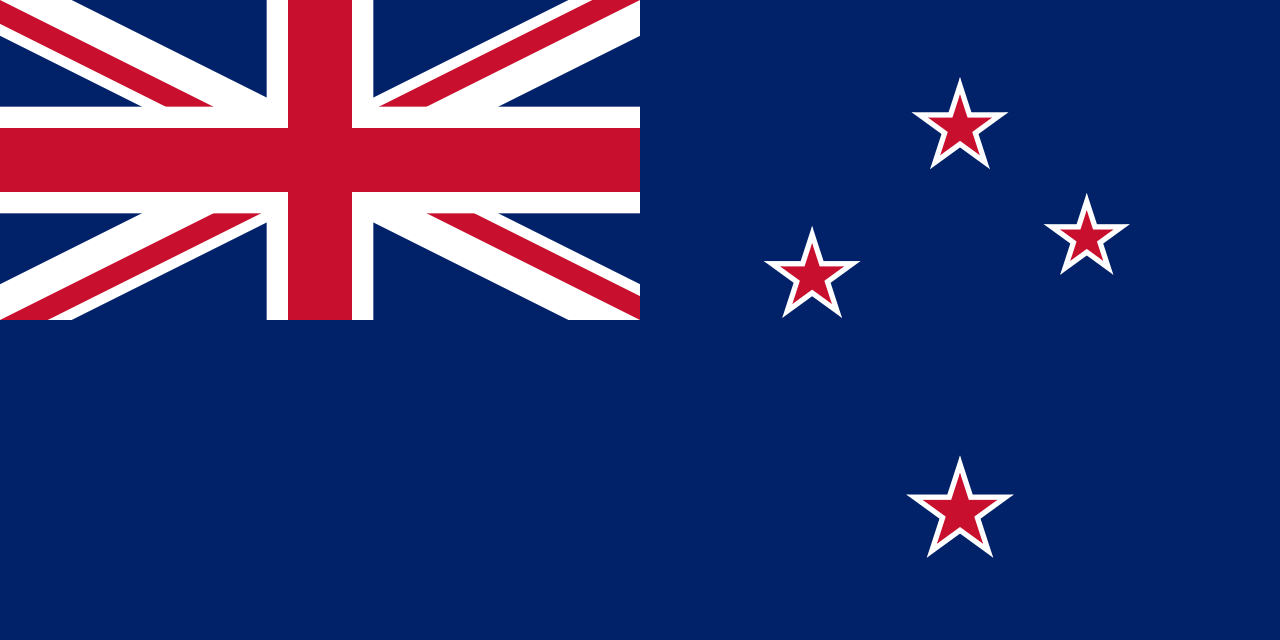
New Zealand is an island nation in the southwestern Pacific known for its dramatic natural landscapes, indigenous Māori culture, and progressive environmental and social policies.
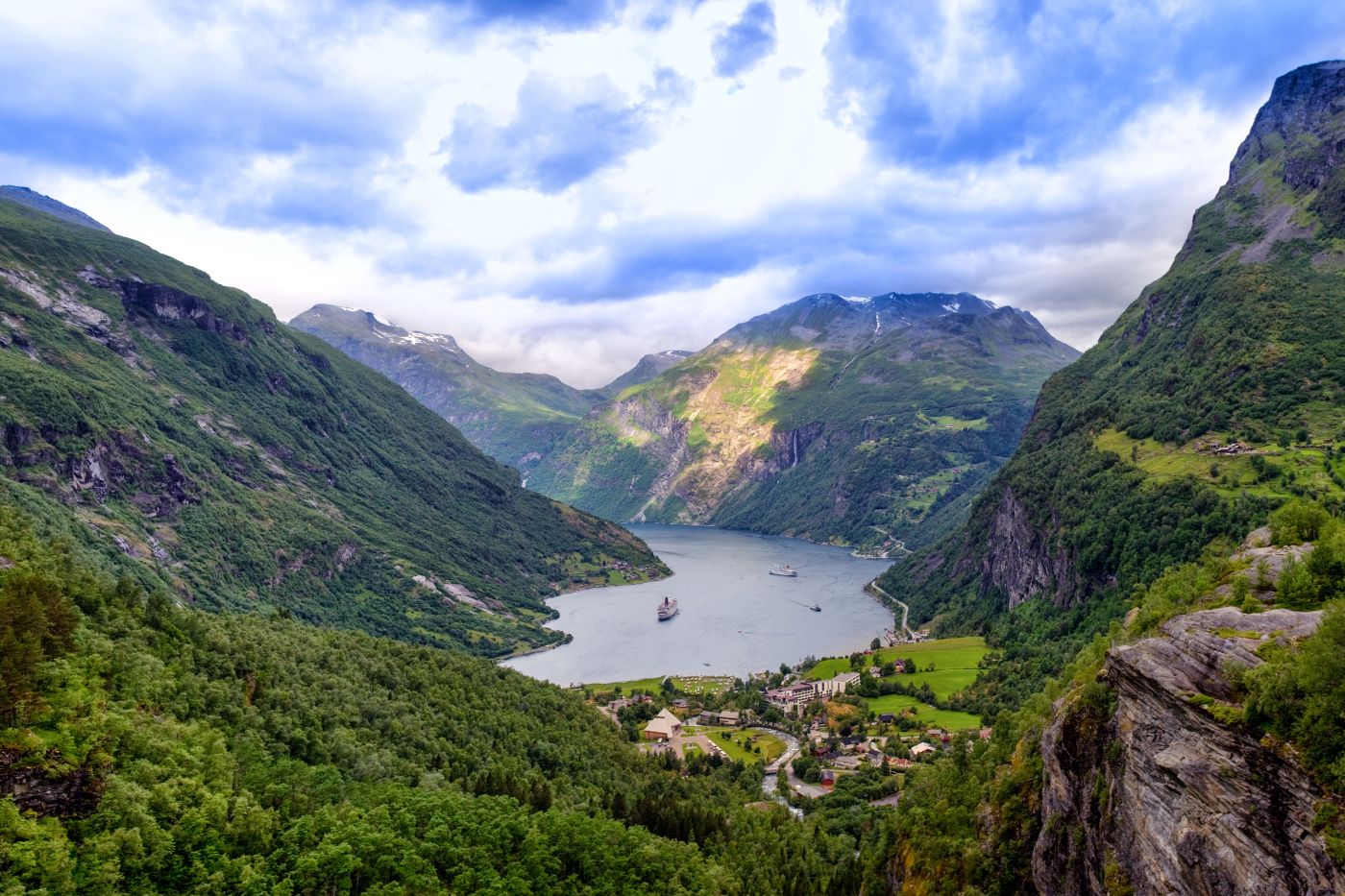
Norway is a Scandinavian country known for its dramatic fjords, significant oil wealth, and consistent ranking as one of the world's happiest and most prosperous nations.

Oslo is the capital of Norway, surrounded by forests and fjords, known for its strong environmental commitments and significant investments in renewable energy and green urban development.

Paris is the capital and most populous city of France, known worldwide as a center of art, fashion, gastronomy, and culture.

Peru is a country in South America home to the ancient Inca capital of Machu Picchu, significant Amazon rainforest territory, and diverse Andean and coastal geography.

Poland is a Central European country with a complex history shaped by repeated foreign occupation, now a significant and growing economy within the European Union.
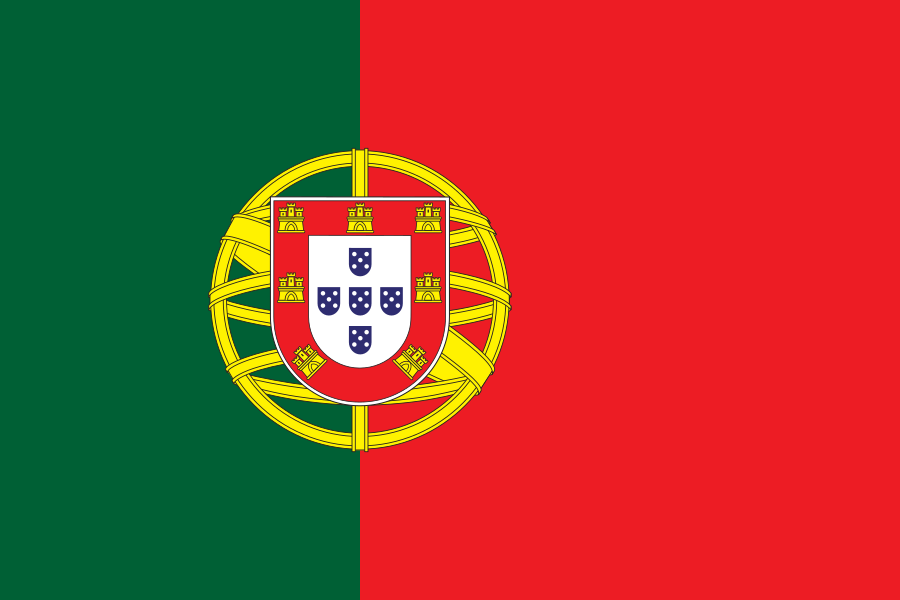
Portugal is a country on the Iberian Peninsula in southwestern Europe, known for its significant maritime exploration history and increasingly popular coastal and urban destinations.

Prague is the capital of the Czech Republic, renowned for its well-preserved medieval architecture and long-standing appeal as one of Europe's most visited travel destinations.

Reykjavik is the capital of Iceland and the world's northernmost capital of a sovereign state, increasingly popular as a base for viewing the Northern Lights and Iceland's dramatic landscapes.

Rio de Janeiro is a major coastal city in Brazil, famous for its dramatic mountain scenery, Copacabana beach, and the towering Christ the Redeemer statue.

Romania is a country in Southeastern Europe known for the Carpathian Mountains, significant medieval castle heritage, and historical association with the Dracula legend.

Rome is the capital of Italy and one of the oldest continuously inhabited cities in the world, once the center of the Roman Empire and now home to Vatican City.

The Sahara is the largest hot desert in the world, stretching across North Africa and covering an area roughly the size of the United States.

Santorini is a volcanic Greek island in the Aegean Sea, famous for its whitewashed buildings, blue-domed churches, and dramatic caldera views, making it one of the most photographed destinations in the world.

Seoul is the capital of South Korea and a global center of technology and popular culture, having become a major driver of worldwide interest in K-pop, Korean film, and Korean cuisine.

Shanghai is China's largest city and a major global financial center, known for its distinctive skyline blending colonial-era architecture with ultramodern skyscrapers.
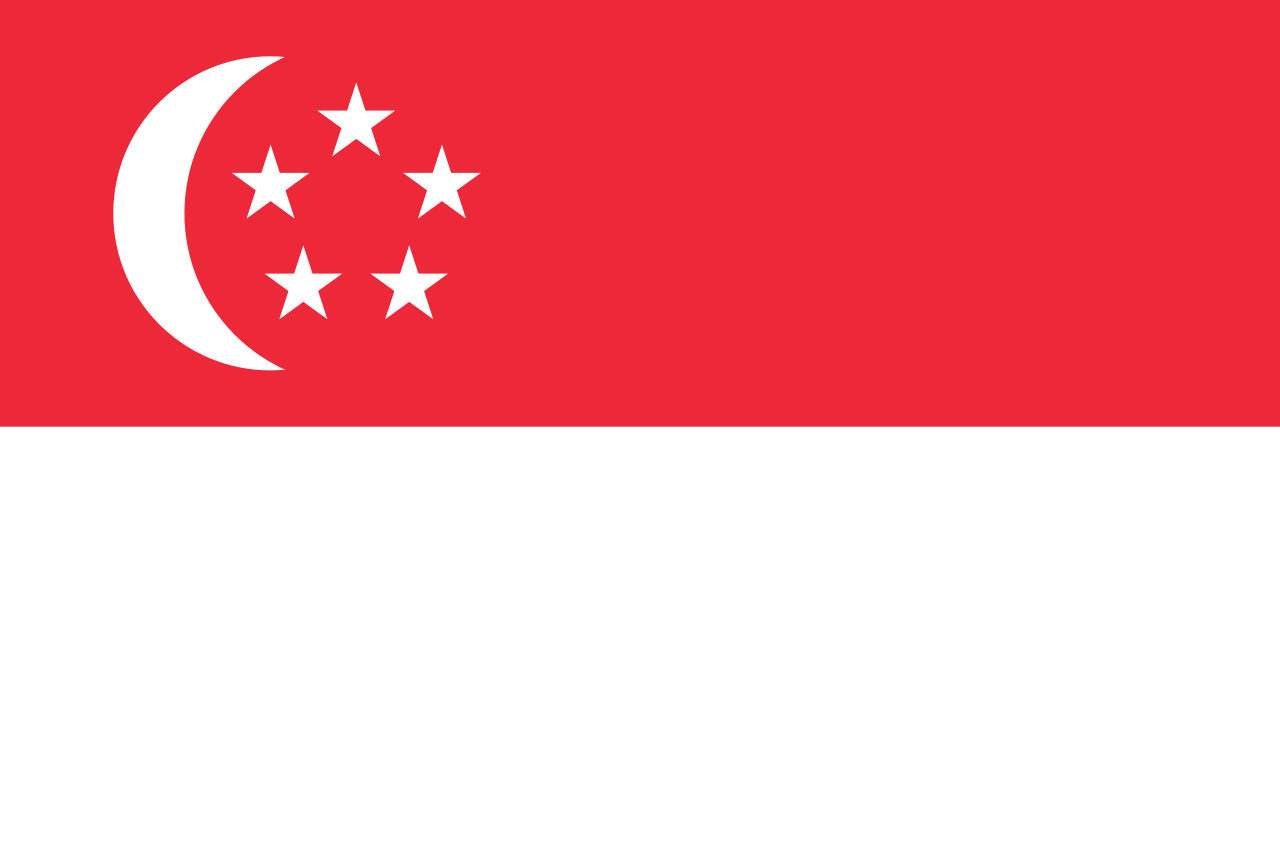
Singapore is a highly developed island city-state in Southeast Asia, known for its rapid economic transformation from a British trading port to one of the world's leading financial centers.

Socotra Island is a remote and ecologically unique island in the Arabian Sea, belonging to Yemen, celebrated for its astonishing concentration of endemic plant and animal species found nowhere else on Earth. Often described as the "Galápagos of the Indian Ocean," it is home to the iconic dragon blood tree and hundreds of other species shaped by millions of years of isolation.
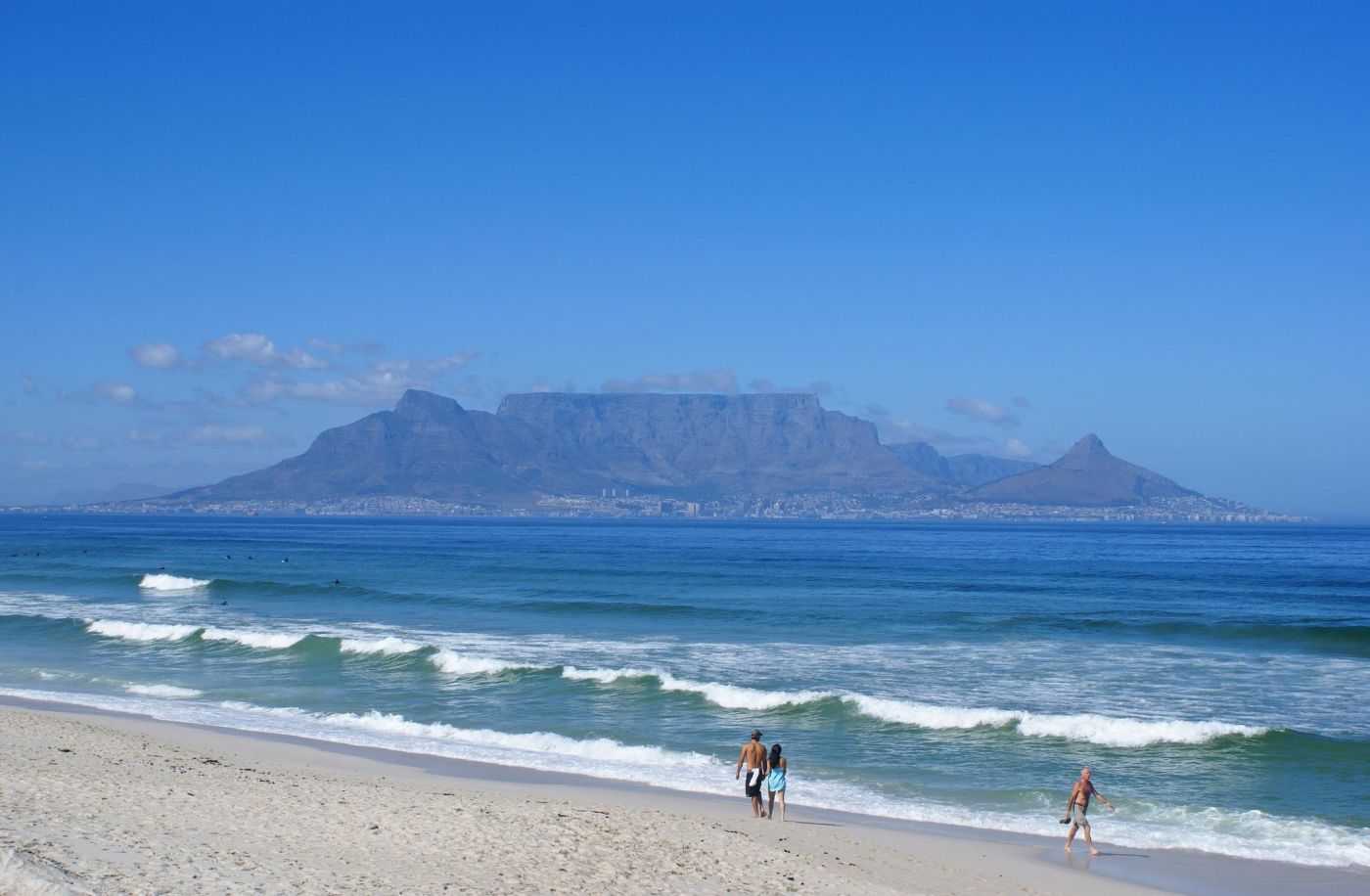
South Africa is a nation at the southern tip of Africa known for its complex history of apartheid and reconciliation, remarkable natural diversity, and status as the continent's most industrialized economy.
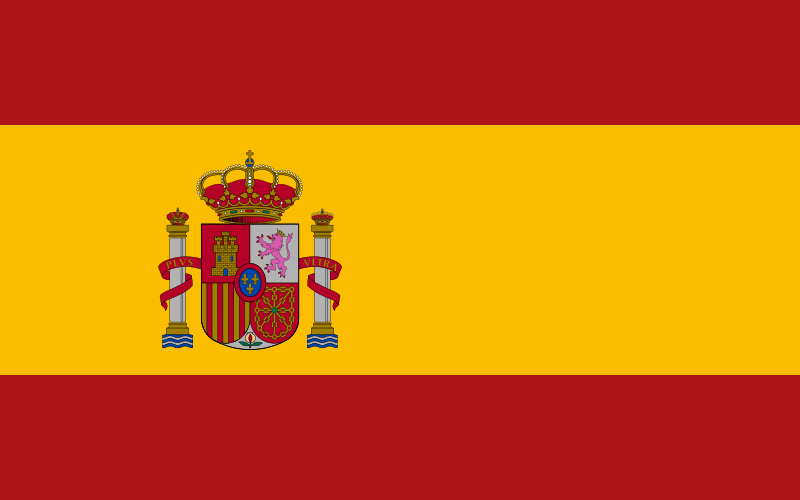
Spain is a country on the Iberian Peninsula in southwestern Europe, known for its diverse regional cultures, significant historical empire, and status as one of the world's most visited countries.

Sri Lanka is an island nation in South Asia known for its significant Buddhist heritage, diverse wildlife, and extensive tea-growing regions.

Stockholm is the capital of Sweden, built across 14 islands connected by dozens of bridges, renowned for its well-preserved medieval old town and significant role in global innovation.