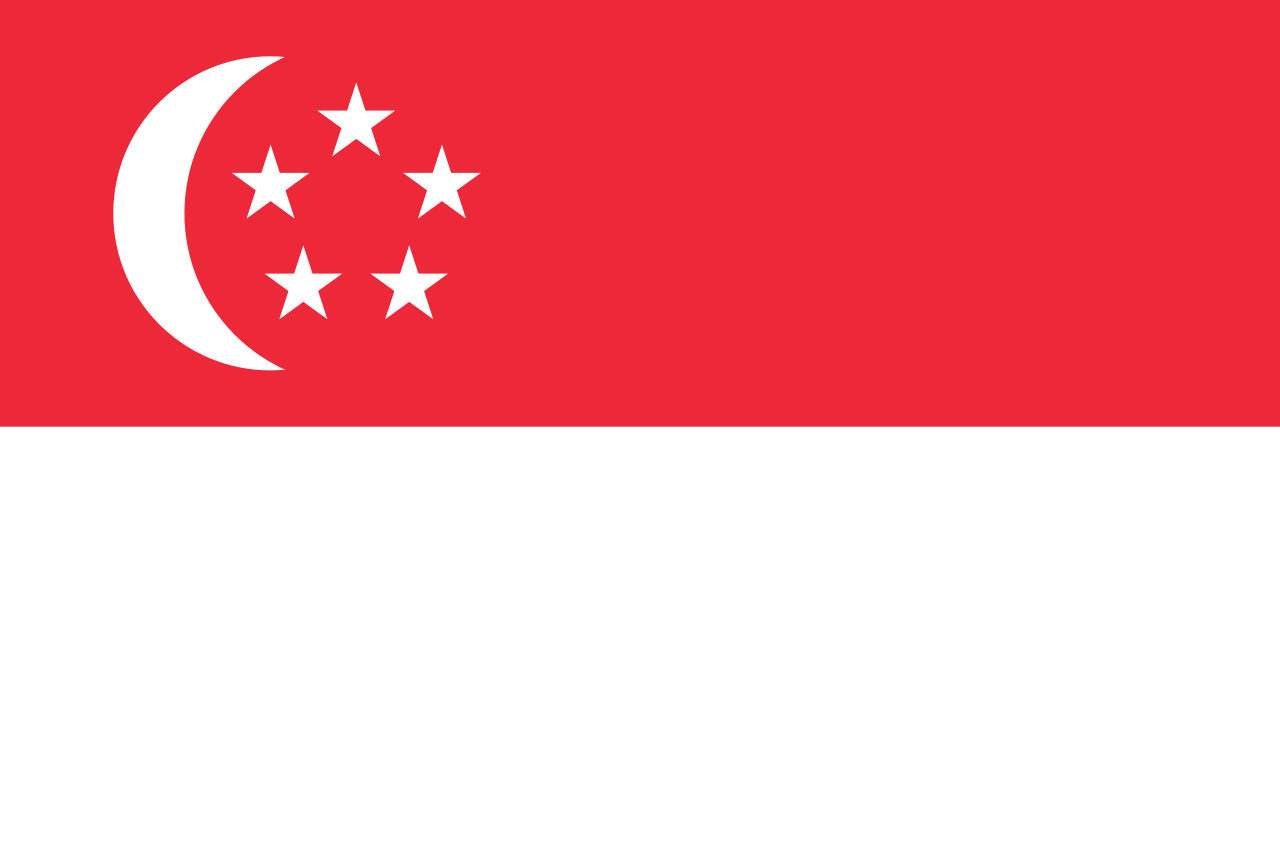
Singapore
Singapore is a highly developed island city-state in Southeast Asia, known for its rapid economic transformation from a British trading port to one of the world's leading financial centers.
With almost no natural resources of its own, this small city-state transformed itself in a matter of decades into one of the wealthiest nations on Earth.
A British Trading Post
Singapore was established as a British trading post in 1819 by Sir Stamford Raffles, chosen for its strategic location along vital shipping routes connecting the Indian Ocean and South China Sea.
A Brief Union, Then Independence
Singapore gained full independence in 1965 following a brief and ultimately unsuccessful political union with Malaysia, becoming a fully sovereign nation despite significant early doubts about its viability as such a small, resource-poor state.
Transformation Under Lee Kuan Yew
Under founding leader Lee Kuan Yew, Singapore pursued a distinctive development strategy emphasizing strict governance, pragmatic economic policy, and aggressive investment in trade and finance, transforming it remarkably quickly into one of the wealthiest nations in the world.
Overcoming Limited Resources
Despite having virtually no natural resources and an extremely limited land area, Singapore leveraged its strategic location and skilled workforce to become one of the world's leading centers for finance, technology, and shipping.
A Model of Urban Planning
Today, Singapore is widely recognized as one of the world's busiest shipping ports and leading financial hubs, alongside its international reputation for exceptional cleanliness, safety, and highly efficient urban planning.