🌍 Geography
Countries, regions, landmarks, and natural features
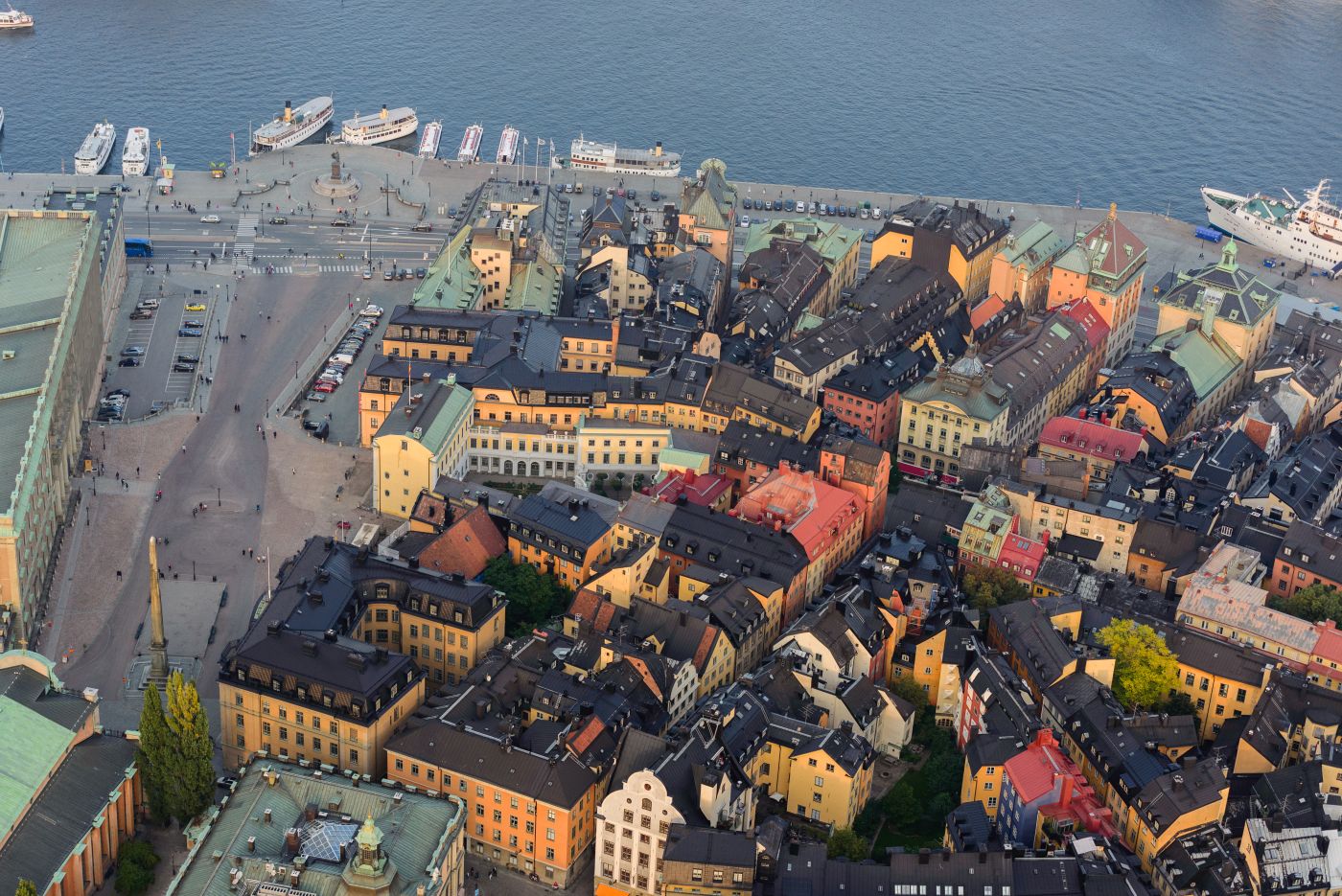
Sweden is a Scandinavian country in Northern Europe known for extensive forests and lakes, strong social welfare systems, and significant global contributions to design, music, and innovation.
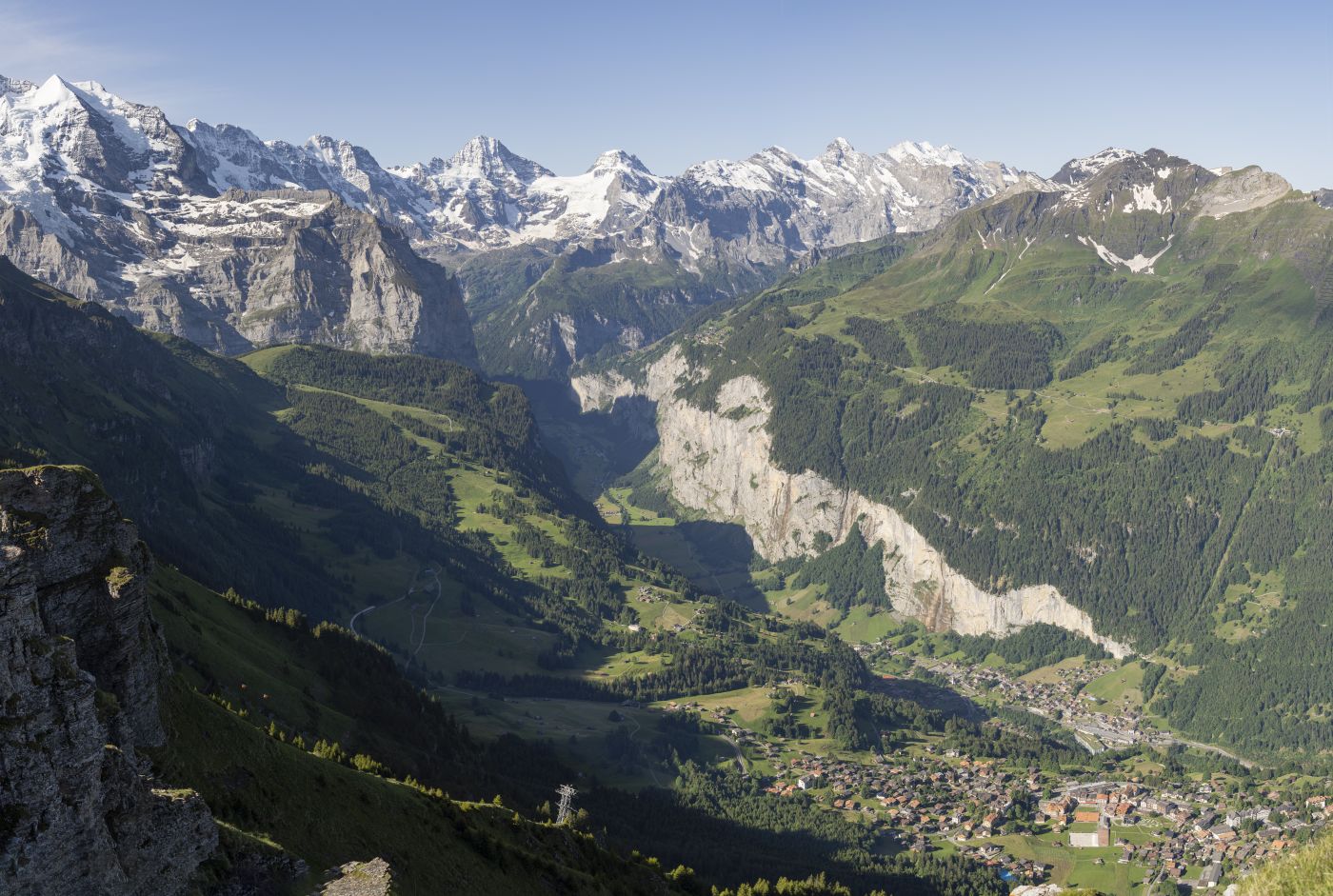
Switzerland is a mountainous Central European country renowned for its political neutrality, precision watchmaking, and status as one of the world's wealthiest and most stable nations.

Sydney is the largest city in Australia, known for its iconic Sydney Opera House and Harbour Bridge, situated around one of the world's largest natural harbors.

Tel Aviv is Israel's second-largest city, known as a significant technology and startup hub, vibrant beachfront culture, and distinctive Bauhaus architectural heritage.
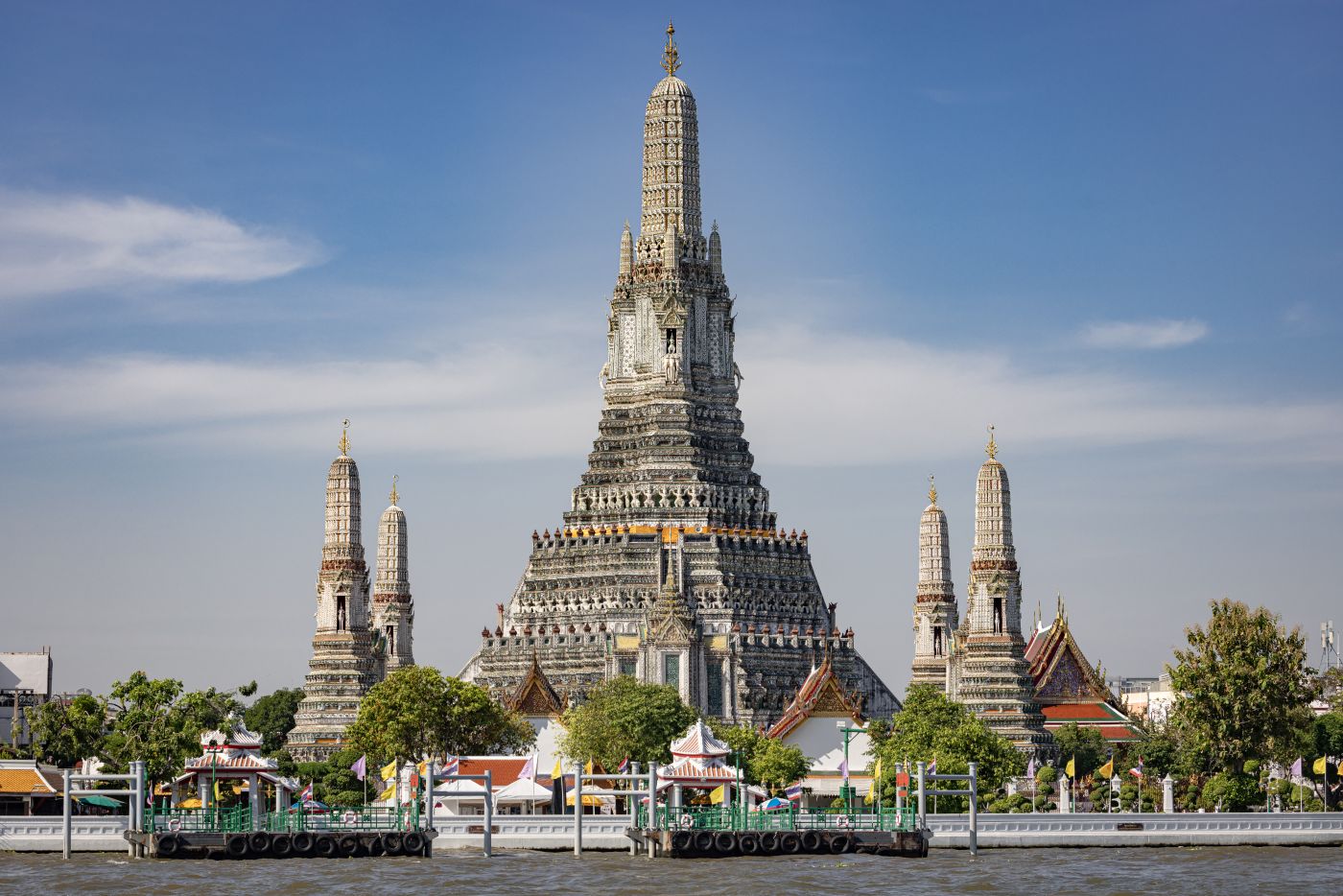
Thailand is a Southeast Asian country known for its tropical beaches, ornate temples, vibrant street food culture, and status as one of the region's most visited tourist destinations.

The Alps are a major mountain range stretching across Central Europe, renowned for their dramatic peaks, ski resorts, and role in shaping the culture and economy of several European nations.

The Amazon River is the largest river in the world by discharge volume, flowing through South America and supporting the vast Amazon Rainforest ecosystem.

The Andes are the longest continental mountain range in the world, stretching along the western edge of South America and playing a central role in the region's ancient civilizations and modern economies.
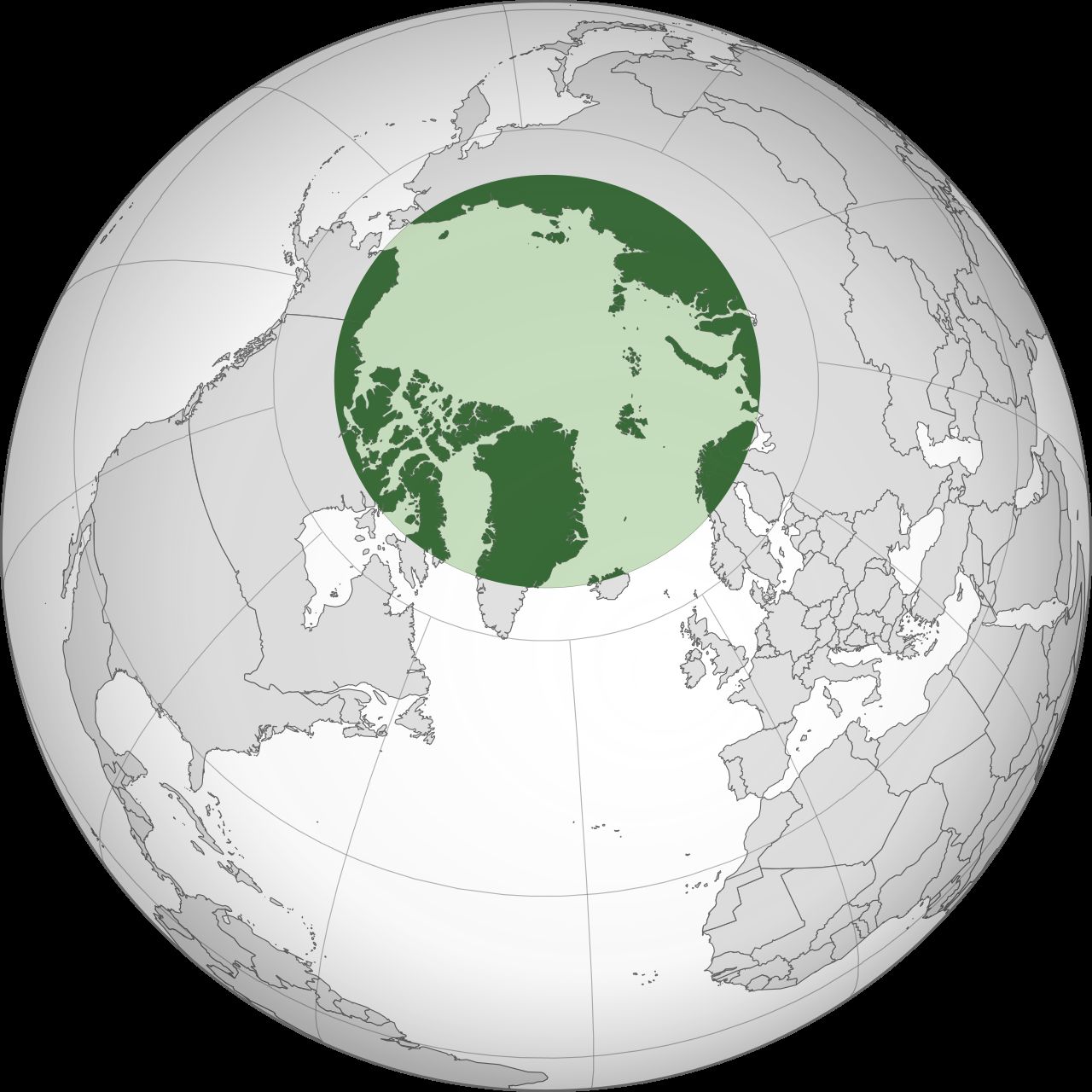
The Arctic is the northernmost region of Earth, characterized by extreme cold, significant ice coverage, and increasing global attention due to the effects of climate change.

The Atacama Desert is a desert plateau in Chile widely considered the driest non-polar desert on Earth, with some areas having never recorded measurable rainfall.

The Baltic Sea is a brackish inland sea in Northern Europe, bordered by nine countries and known for its unusually low salinity and significant historic trade importance.

The Congo River is the second-longest river in Africa and the deepest river in the world, flowing through the Congo Basin and supporting significant hydroelectric potential.

The Danube River is Europe's second-longest river, flowing through ten countries and serving as a historically vital trade and transportation route connecting Central and Eastern Europe.

The Dead Sea is a salt lake bordering Israel and Jordan, renowned for being the lowest point on Earth's land surface and for its extraordinarily high salt content that allows swimmers to float effortlessly.

The English Channel is a narrow strait separating southern England from northern France, one of the world's busiest shipping lanes and site of the historic Channel Tunnel.

The Galápagos Islands are a remote volcanic archipelago off the coast of Ecuador, famous for their unique wildlife and their role in inspiring Charles Darwin's theory of evolution.

The Ganges River is one of the most significant rivers in South Asia, holding profound religious significance in Hinduism while supporting hundreds of millions of people across India and Bangladesh.

The Gobi Desert is a vast desert region spanning Mongolia and northern China, known for its extreme temperature swings and significant paleontological fossil discoveries.

The Grand Canyon is a massive canyon carved by the Colorado River in Arizona, United States, renowned as one of the most spectacular natural landmarks in the world.
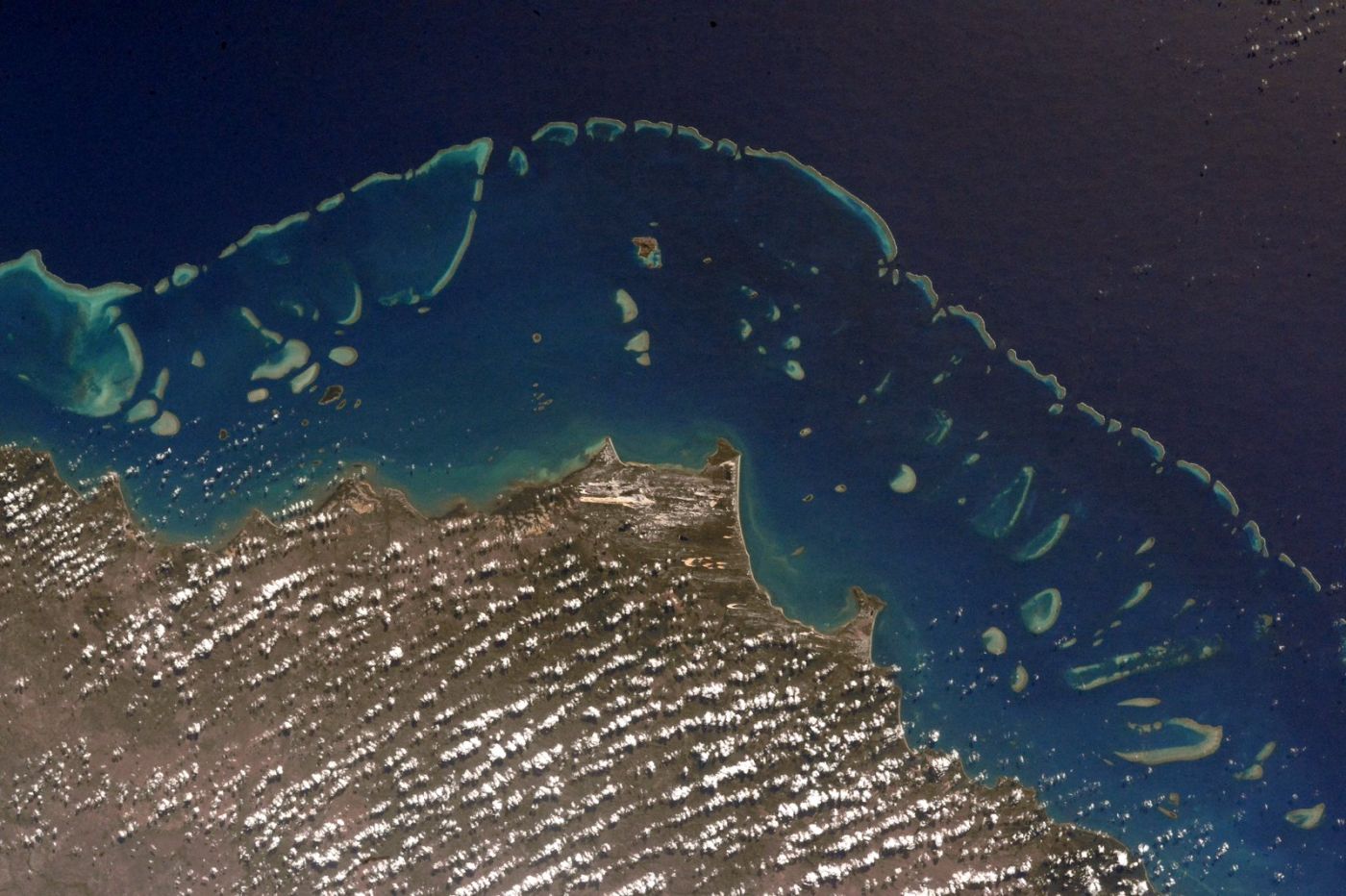
The Great Barrier Reef region off the coast of Queensland, Australia, encompasses the world's largest coral reef ecosystem and represents a critical area for global marine biodiversity and tourism.

The Great Lakes are a group of five interconnected freshwater lakes on the border of the United States and Canada, together containing about a fifth of the world's surface fresh water.

The Great Rift Valley is a vast geological trench stretching across East Africa, significant both for its role in ongoing continental separation and its importance in the study of early human evolution.

The Great Wall of China is a series of fortifications built across northern China over many centuries, representing one of the largest construction projects in human history.

The Himalayas are the highest mountain range on Earth, home to Mount Everest and stretching across five countries in South Asia, profoundly shaping the region's climate, culture, and religious traditions.