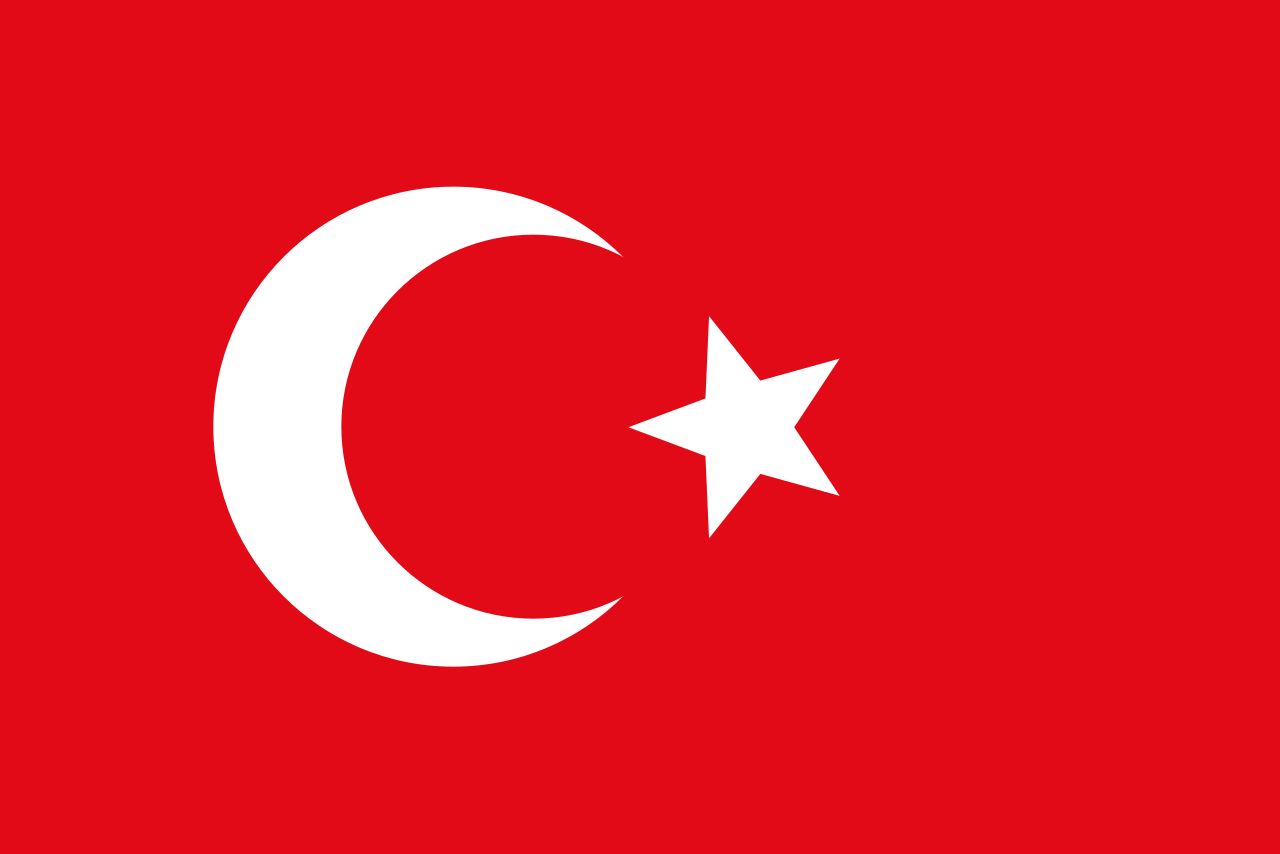
The Ottoman Empire
The Ottoman Empire was one of the largest and longest-lasting empires in history, founded around 1299 and eventually spanning southeastern Europe, the Middle East, and North Africa before its dissolution after World War I.
A small frontier principality in Anatolia grew, over the course of two centuries, into an empire that would rule three continents and outlast the very Byzantine Empire it eventually conquered.
Humble Beginnings in Anatolia
The empire was founded by Osman I in northwestern Anatolia around 1299, beginning as a small frontier principality that expanded steadily through military conquest and strategic alliances over the following centuries.
The Fall of Constantinople
A pivotal turning point came in 1453, when Sultan Mehmed II conquered Constantinople, ending the thousand-year-old Byzantine Empire and establishing the city, renamed Istanbul, as the Ottoman capital.
The Height of Ottoman Power
At its peak during the 16th and 17th centuries, particularly under Suleiman the Magnificent, the empire controlled vast territories spanning three continents, becoming a major center of trade, culture, and Islamic scholarship.
Gradual Decline
The empire gradually weakened over subsequent centuries, losing territory through a combination of internal challenges, nationalist uprisings among its diverse populations, and military defeats against rising European powers.
Dissolution and Modern Turkey
The Ottoman Empire was formally dissolved after World War I, with modern Turkey emerging from its remnants in 1923 under the leadership of reformist founder Mustafa Kemal Atatürk.