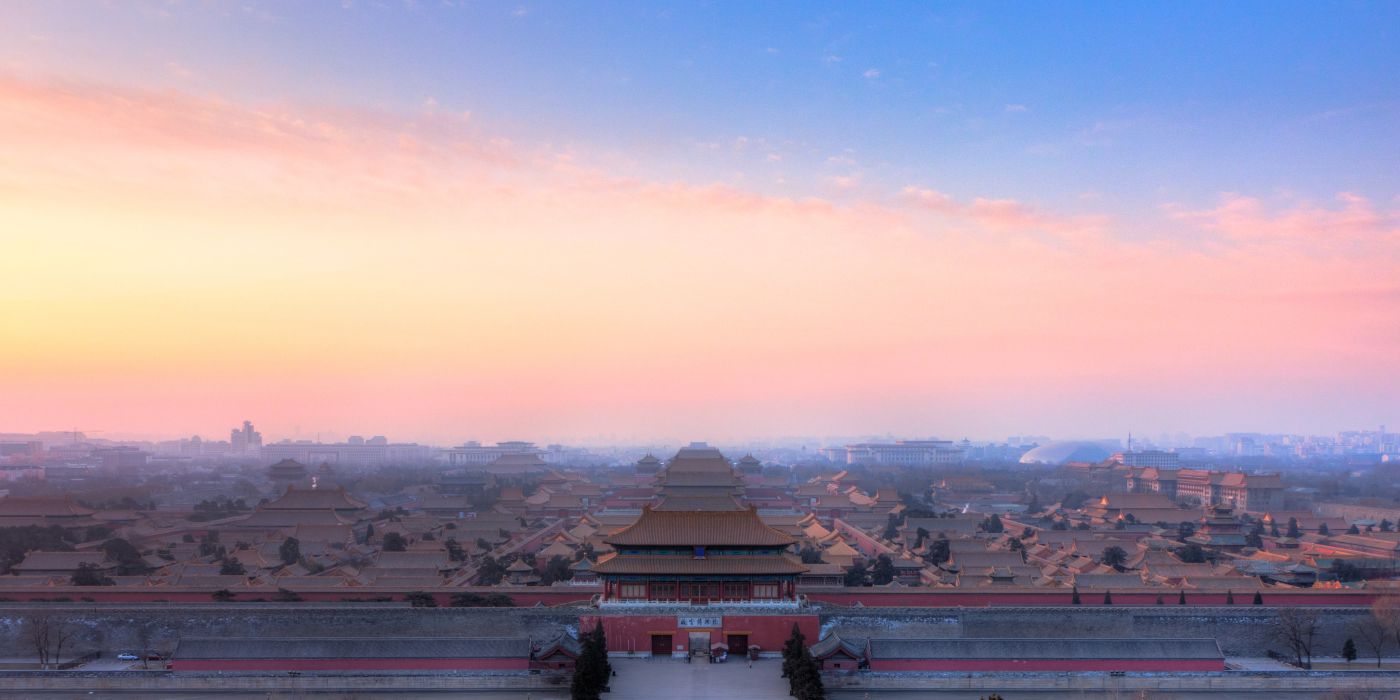
The Qing Dynasty
The Qing Dynasty ruled China from 1644 to 1912, China's last imperial dynasty, presiding over significant territorial expansion followed by decline and eventual collapse into republican revolution.
Ruling as China's final imperial dynasty for nearly three centuries, this Manchu-led government oversaw dramatic territorial expansion before eventually collapsing under the weight of internal rebellion and foreign pressure.
China's Last Imperial Dynasty
The Qing Dynasty, established by the Manchu people, became China's final imperial dynasty, ruling from 1644 until its collapse in 1912.
Significant Territorial Expansion
Under strong early emperors, the Qing significantly expanded Chinese territory, incorporating regions including Tibet, Xinjiang, and Taiwan into the empire.
The Opium Wars and Foreign Pressure
The dynasty suffered significant humiliation and territorial concessions following the Opium Wars and other conflicts with foreign powers during the 19th century.
Collapse into Republican Revolution
Weakened by internal rebellion and foreign pressure, the Qing Dynasty collapsed in 1912, giving way to the establishment of the Republic of China.