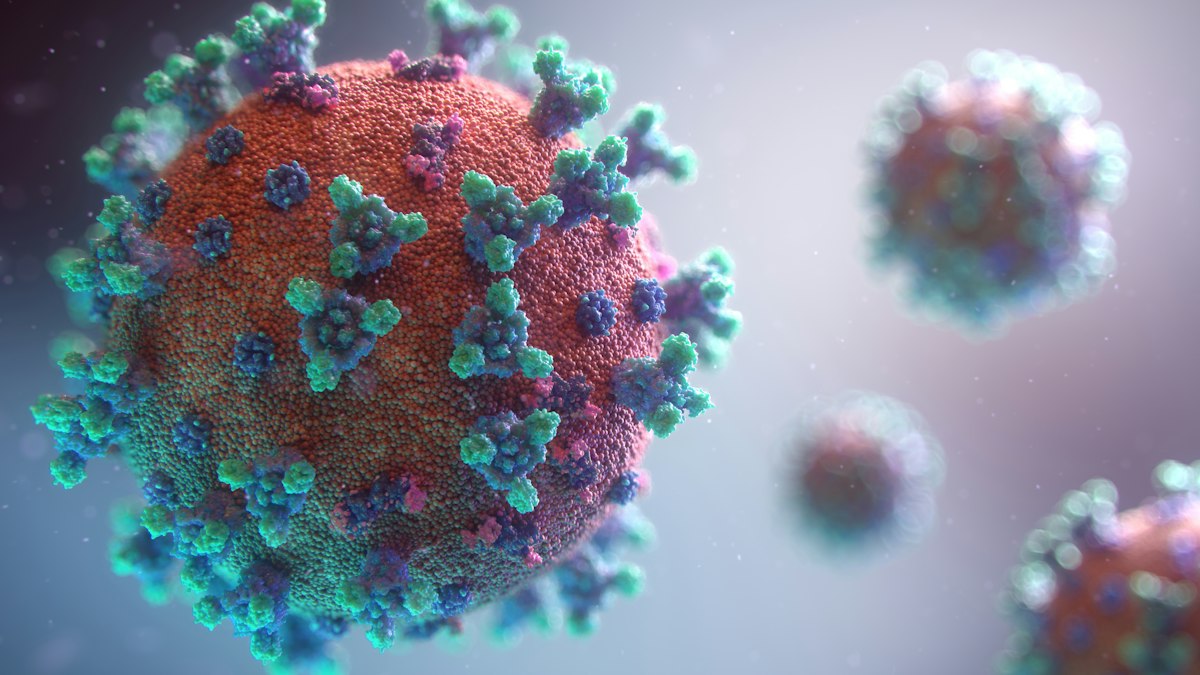
COVID-19: How a Virus Changed the World Overnight
In early 2020, a novel coronavirus swept across the globe, triggering lockdowns, overwhelming hospitals, and transforming daily life in ways no one anticipated.

On March 11, 2020, the World Health Organization declared COVID-19 a global pandemic. Within weeks, the virus had reached every continent except Antarctica, triggering the most disruptive global event since World War II. Schools closed. Businesses shuttered. Borders sealed. Hospitals were overwhelmed. And ordinary life — commuting, dining, gathering, traveling — stopped in a way that no living generation had experienced.
The Speed of the Spread
COVID-19, caused by the SARS-CoV-2 virus first identified in Wuhan, China, in late 2019, spread with a speed that caught governments and health systems unprepared. By March 2020, Italy's healthcare system was near collapse, with hospitals in Lombardy forced to triage patients and doctors making life-or-death decisions about who would receive ventilators. The images from Italian hospitals — healthcare workers in full PPE, exhausted and overwhelmed — became the first visual evidence that the virus was not a distant threat but an imminent one.
The Lockdowns
Governments responded with lockdowns of varying severity. In the United States, stay-at-home orders were issued by most states by late March 2020. Non-essential businesses closed. Schools shifted to remote learning. Public spaces emptied. The economic impact was immediate and severe — unemployment claims spiked to levels not seen since the Great Depression, and entire industries including travel, hospitality, and live entertainment effectively shut down overnight.
The Human Cost
The pandemic's human toll is staggering. More than 7 million people worldwide have died from COVID-19 according to official counts, with the true number likely significantly higher. Beyond the death toll, the pandemic inflicted lasting damage on mental health, education, economic stability, and social cohesion. Children lost years of in-person learning. Elderly people spent months in isolation. Healthcare workers experienced burnout and trauma at unprecedented scale.
The Response
The pandemic also produced one of the most remarkable achievements in the history of science: the development and deployment of effective vaccines in under a year. The mRNA vaccines developed by Pfizer-BioNTech and Moderna represented a breakthrough in vaccine technology that had been decades in the making, and their rapid authorization and distribution saved millions of lives.
The Legacy
COVID-19 changed the world permanently. It accelerated remote work, reshaped healthcare delivery, exposed inequities in public health systems, and altered how societies think about preparedness, collective responsibility, and the fragility of the systems that sustain daily life. The pandemic is now part of history, but its effects — on health, economics, education, politics, and culture — continue to unfold.


Comments 0
Sign in to commentJoin the conversation — no account needed
No comments yet
Be the first to share your thoughts!