What's Really in a Bag of Cheetos?
A closer look at the ingredients, additives, and ultra-processing in a bag of Cheetos, and what the science actually says about frequent consumption of foods like this.

A bag of cheese-flavored corn snacks can look innocent. It is inexpensive, convenient, widely available, and extremely popular with both children and adults. But turn the package around and the story becomes more complicated.

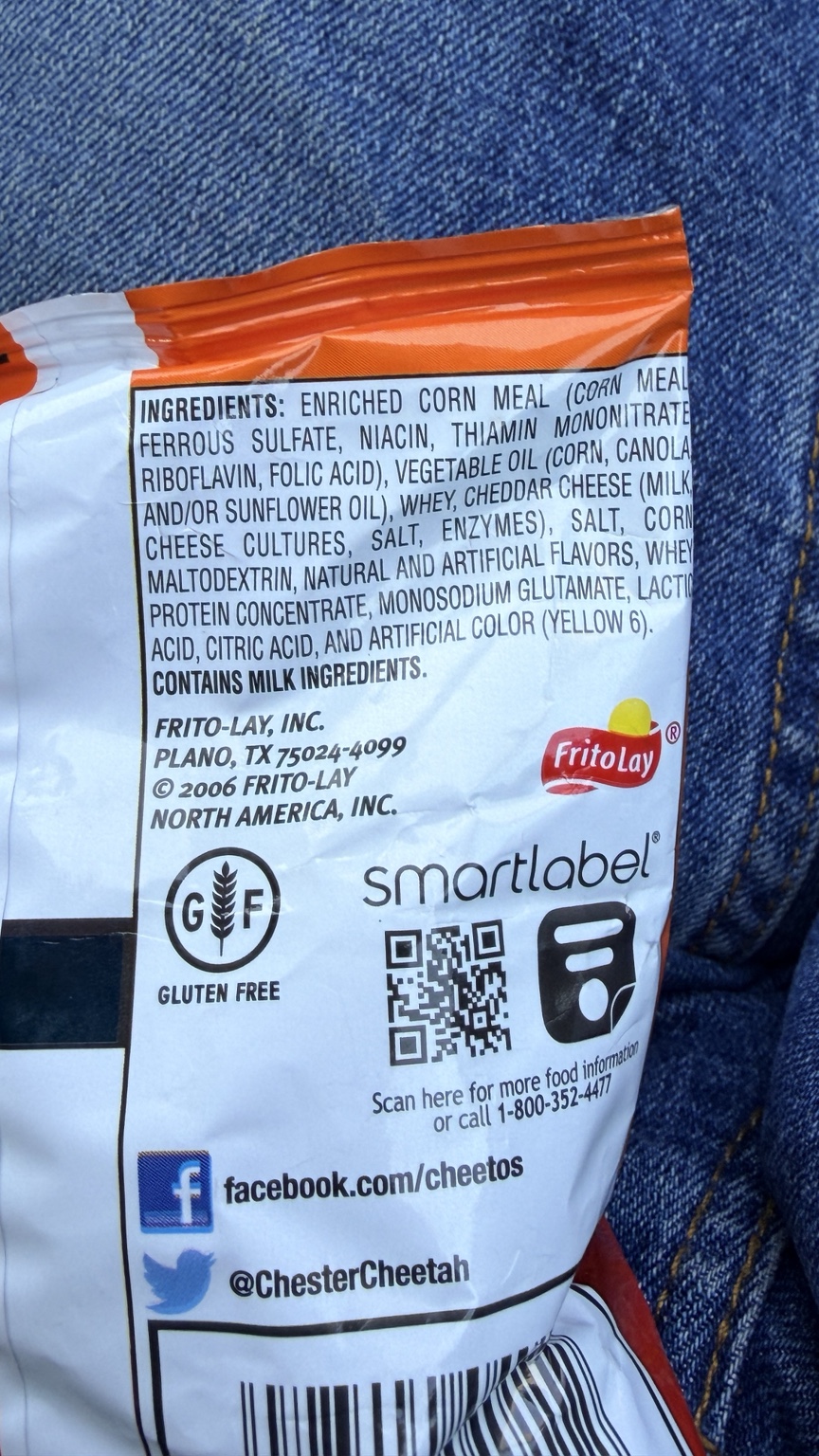
The photograph above shows a real ingredient list containing enriched corn meal, vegetable oils, whey, cheddar cheese, maltodextrin, natural and artificial flavors, whey protein concentrate, monosodium glutamate (MSG), lactic acid, citric acid, and artificial color Yellow 6, among other ingredients.
One important clarification before going further: the presence of a chemical-sounding name does not automatically mean an ingredient is dangerous. Everything we eat, including water, salt, vitamins, proteins and carbohydrates, is made of chemicals. The more important questions are why the ingredient is there, how much we consume, how frequently we consume it, and what the overall food does to our diet. That is where the bigger concern lies.
Taking apart the ingredient list
Enriched corn meal
This is the primary ingredient. Corn meal itself isn't inherently unhealthy. The issue is that this is a refined corn-based snack rather than a whole corn food. The word "enriched" means certain nutrients, including ferrous sulfate, niacin, thiamin mononitrate, riboflavin and folic acid, have been added back after processing. These are nutrients, not mysterious poisons.
Vegetable oil
The label lists corn, canola and/or sunflower oil. These oils provide fat and help produce the texture and flavor people expect. The bigger issue isn't the oil itself, it's that this is a calorie-dense processed snack that's very easy to eat a large amount of without feeling full.
Whey and whey protein concentrate
Whey is a milk protein and isn't inherently harmful. But in this product, it's primarily part of the formulation that creates the desired cheese flavor and texture, not a deliberate source of dietary protein.
Maltodextrin
This is an ingredient that deserves more attention. Maltodextrin is a rapidly digestible carbohydrate produced by breaking down starch. Its presence illustrates something important about processed foods: manufacturers can manipulate starches to create a desired texture, flavor delivery and eating experience. The product isn't simply corn plus cheese, it has been engineered into a highly convenient, highly palatable snack.
Monosodium glutamate (MSG)
MSG has developed a reputation as something dangerous, but the scientific picture is more nuanced. It's the sodium salt of glutamic acid, an amino acid that naturally occurs in many foods. The FDA considers added MSG generally recognized as safe, and controlled studies haven't consistently reproduced reactions in people who report MSG sensitivity. The real issue isn't one additive, it's the combination of refined starch, fat, salt, and intense flavor engineered for highly convenient eating.
Lactic acid and citric acid
Despite the scientific-sounding names, neither is added because it's "toxic." Both occur naturally and are widely used in foods to regulate acidity and flavor.
Yellow 6
This is a synthetic food color subject to FDA certification and batch testing requirements. The presence of Yellow 6 doesn't mean eating one bag will make you sick, but it does raise a reasonable question: why does a corn snack need artificial coloring? Because the manufacturer wants the product to look like the cheese-flavored snack consumers expect.
So are these "chemicals" making us sick?
It would be inaccurate to say "Cheetos contain chemicals, therefore Cheetos cause disease." That isn't what the research shows. The much stronger, more defensible argument is that regular consumption of highly processed foods as a substantial part of the diet is associated with poorer health outcomes, and some experimental evidence suggests ultra-processed diets can promote overeating and weight gain.
The bigger problem: ultra-processing
Foods like this are generally considered ultra-processed foods (UPFs), industrial formulations made from processed food components and additives rather than recognizable whole-food ingredients. The FDA notes that researchers have found associations between high UPF consumption and outcomes including obesity, cardiovascular disease and certain cancers, while also emphasizing that important questions remain about exactly how these foods cause harm. A recent CDC analysis found that people in the United States obtained approximately 55% of their daily calories from ultra-processed foods during 2021-2023. That's the real story, not one bag, but the cumulative dietary pattern.
What happens when people can eat as much as they want?
One of the most important studies in this area was a randomized controlled inpatient trial published in Cell Metabolism. Researchers gave participants either an ultra-processed diet or a minimally processed diet, matched for many nutritional characteristics, and let them eat as much as they wanted. People on the ultra-processed diet consumed more calories and gained weight, while those on the minimally processed diet lost weight. This suggests the issue isn't simply that people lack willpower. Something about the food itself, including its texture, palatability, and eating speed, may influence how much people consume.
And then there is salt
You don't need a scary-sounding chemical to identify an important nutritional issue here. Salt alone is enough. The WHO recommends adults consume less than 2,000 mg of sodium per day, roughly 5 grams of salt. Excess sodium raises blood pressure and increases cardiovascular risk, and salty snacks are among the processed foods that contribute meaningfully to sodium intake over a full day of eating.
What happens when these foods replace real food?
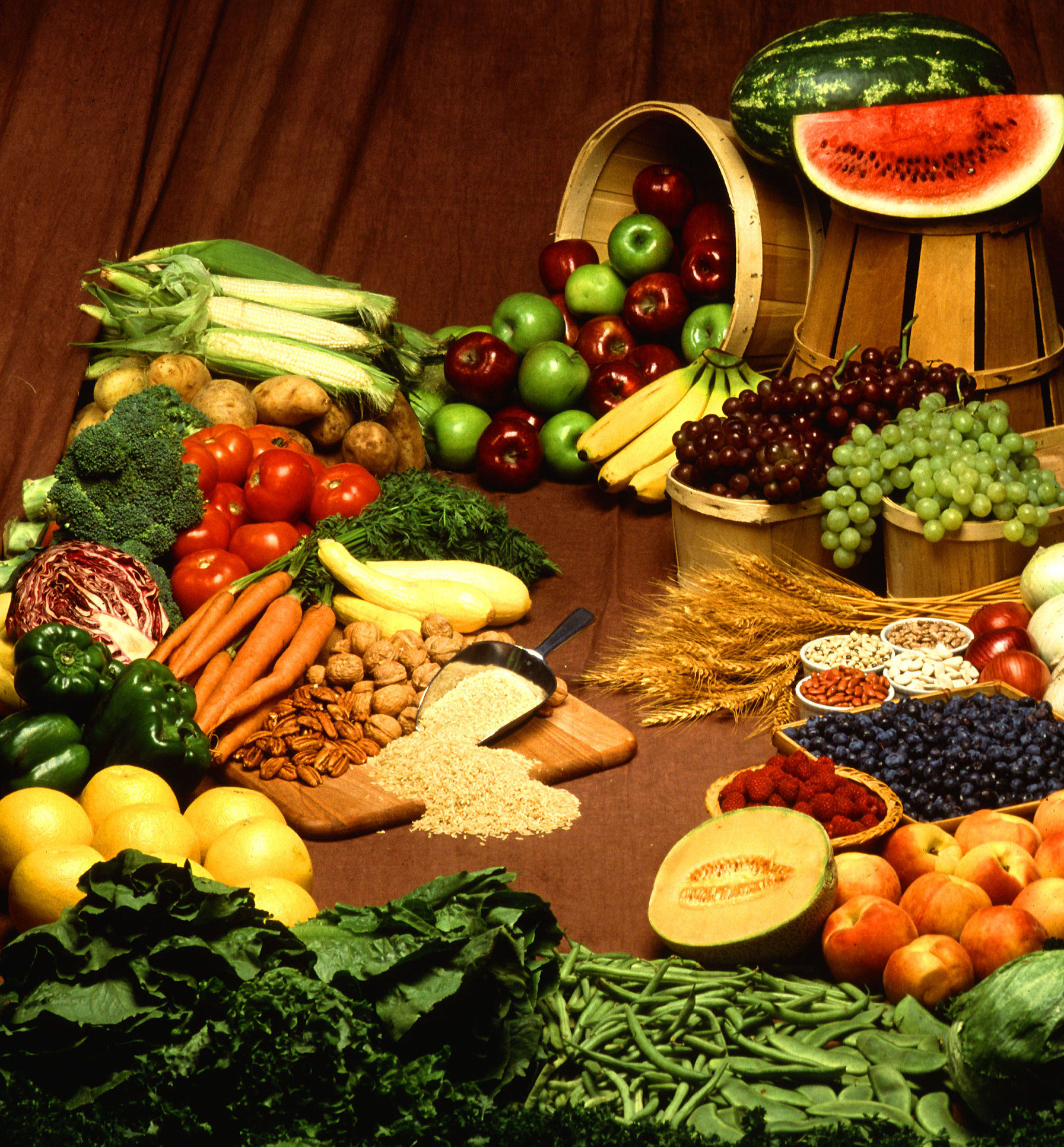
This may be the most important question of all. The problem isn't that any single ingredient in a processed snack is toxic. The problem is what a diet dominated by cheese puffs, sweetened cereal, cookies, soda, candy, and fast food replaces: fruits, vegetables, beans, whole grains, nuts, seeds, eggs, fish, lean meats, and other minimally processed foods. A diet built around ultra-processed foods can become nutritionally poor even when every individual product is legally formulated and fortified with vitamins.
What does the research say about chronic disease?
A large umbrella review of meta-analyses found associations between greater ultra-processed food consumption and higher risks of all-cause mortality, cardiovascular disease and type 2 diabetes, though the certainty of evidence varied by outcome. Another systematic review found an association between UPF consumption and cardiovascular events specifically. Importantly, association isn't the same as proof that one ingredient causes a disease; people who eat lots of ultra-processed food may also differ in activity levels, sleep, income, and other behaviors. Responsible reporting focuses on the overall evidence rather than blaming a single ingredient.
Are Cheetos "poison"?
No, that would be sensationalism. The ingredients shown in this label are permitted food ingredients, and several are ordinary nutrients or food components. MSG is considered safe by the FDA at normal levels of use. Yellow 6 is an FDA-certified food color. Maltodextrin is an approved ingredient with multiple technical uses. The more meaningful concern isn't any single ingredient, it's what happens when foods like this become a regular, major component of the diet.
A simple rule for the grocery store
You don't have to eliminate every packaged food, and you don't need to fear every ingredient you can't pronounce. Instead: eat more foods that look like the food they came from. An apple still looks like an apple. A carrot still looks like a carrot. Eggs still look like eggs. When you do eat highly processed snacks, make them an occasional part of the diet rather than the foundation of it.
The bottom line
One bag of Cheetos isn't going to make anyone sick. But a lifetime of eating a diet dominated by highly processed, calorie-dense, salty, and highly palatable foods may contribute to the conditions that make obesity, hypertension, type 2 diabetes and cardiovascular disease so common today. The danger isn't hiding behind one mysterious chemical, it's hiding in the pattern. Perhaps the most important thing to teach children isn't to fear an ingredient with a long name, but to understand the difference between food that nourishes and food engineered primarily for convenience, shelf life and taste.
This article draws on information from the U.S. Food and Drug Administration, Centers for Disease Control and Prevention, World Health Organization, and peer-reviewed research including a randomized controlled feeding study published in Cell Metabolism examining ultra-processed diets and calorie intake. The ingredient discussion is based on the label shown in the photograph, which is marked ©2006; current product formulations may differ. This article is educational and is not medical advice.


Comments 0
Sign in to commentJoin the conversation — no account needed
No comments yet
Be the first to share your thoughts!