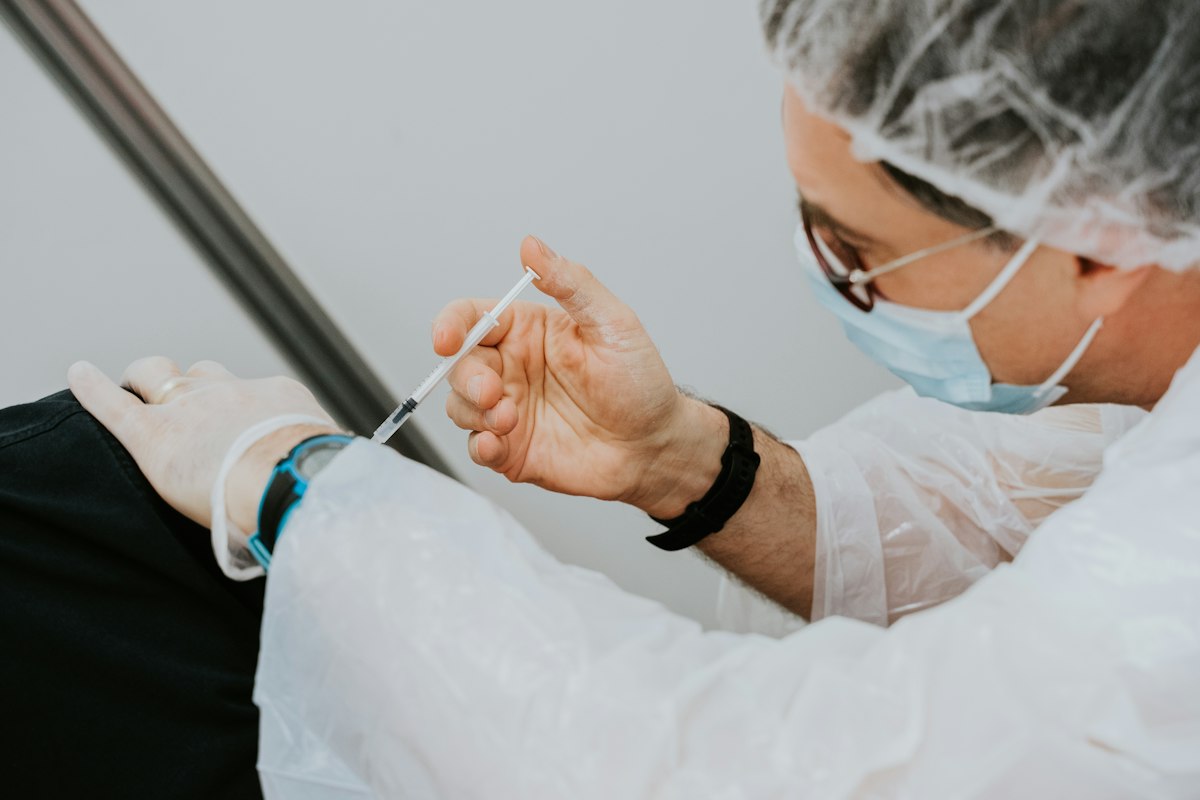
The Great Vaccine Rollout: How the World Raced to End the Pandemic
In 2021, billions of COVID-19 vaccine doses were administered worldwide in the largest and fastest vaccination campaign in human history, offering a path out of the pandemic.

The development and global deployment of COVID-19 vaccines between 2020 and 2022 stands as one of the most remarkable achievements in the history of medicine. What typically takes a decade or more — identifying a pathogen, designing a vaccine, conducting clinical trials, winning regulatory approval, manufacturing at scale, and distributing to billions — was accomplished in under a year for the initial vaccines, and in under two years for global deployment on a scale never previously attempted.
The mRNA Breakthrough
The Pfizer-BioNTech and Moderna vaccines, both based on messenger RNA (mRNA) technology, were authorized for emergency use in December 2020 — less than 11 months after the SARS-CoV-2 genetic sequence was published. The mRNA platform, which had been in development for decades but had never been approved for any vaccine, proved to be extraordinarily effective — with clinical trials showing roughly 95% efficacy against symptomatic COVID-19. The speed of development was not a shortcut; it reflected years of prior research on mRNA technology, massive parallel investment that eliminated the usual financial bottlenecks, and regulatory processes that ran concurrently rather than sequentially.
The Logistics Challenge
Manufacturing and distributing billions of doses presented logistical challenges without precedent in public health. The Pfizer vaccine required ultra-cold storage at minus 70 degrees Celsius, demanding specialized freezers and cold-chain infrastructure that many countries lacked. The global effort to produce, ship, store, and administer vaccines involved pharmaceutical companies, governments, military logistics, airlines, and local health departments working in coordination at a scale never previously attempted.
The Inequity
Despite the scientific triumph, the rollout exposed deep global inequities. Wealthy nations secured early access to vaccines through advance purchase agreements, while many low-income countries waited months or years for significant supply. The COVAX initiative, designed to ensure equitable global access, fell short of its targets, and by mid-2021 the gap between vaccination rates in rich and poor countries had become a source of significant international criticism.
The Impact
By conservative estimates, COVID-19 vaccines prevented more than 14 million deaths globally in their first year of deployment alone. They enabled the reopening of economies, schools, and borders. They demonstrated that mRNA technology could be rapidly adapted to new threats — a capability now being applied to vaccines for influenza, RSV, cancer, and other diseases. The vaccine rollout was imperfect, inequitable, and politically contentious. It was also, by any objective measure, one of humanity's greatest collective accomplishments.


Comments 0
Sign in to commentJoin the conversation — no account needed
No comments yet
Be the first to share your thoughts!