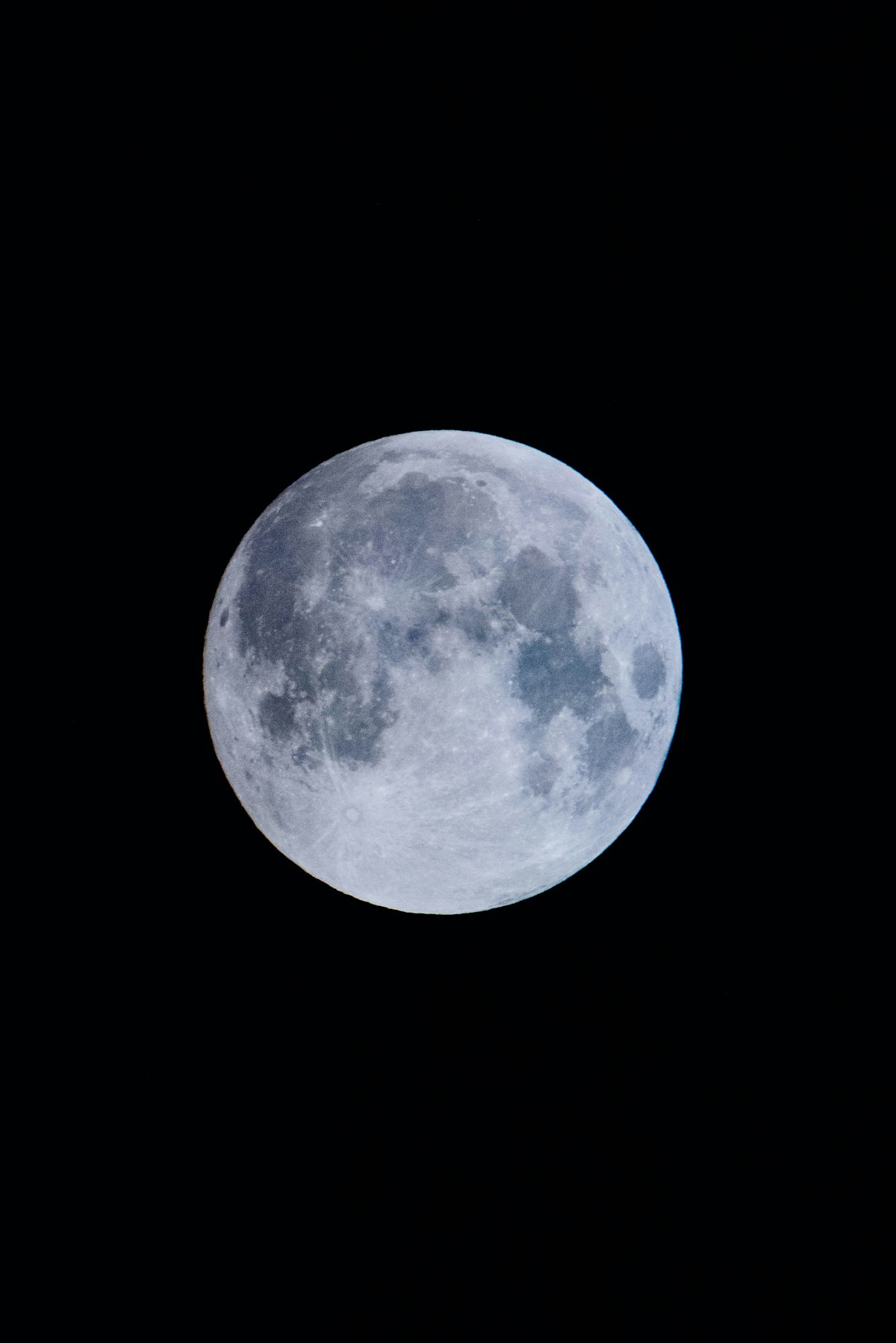
The Great North American Eclipse of 2024: When Day Turned to Night
On April 8, 2024, a total solar eclipse crossed North America from Mexico to Canada, drawing tens of millions to witness a few minutes of breathtaking midday darkness.

On April 8, 2024, a total solar eclipse crossed North America from Mexico's Pacific coast through Texas, the Midwest, and up through New England and eastern Canada. It was the last total solar eclipse visible from the contiguous United States until 2044 — and an estimated 32 million Americans lived directly in the path of totality, with hundreds of millions more within a day's drive.
The Path of Totality
The eclipse's path of totality — the narrow band where the moon completely blocks the sun — stretched roughly 115 miles wide and crossed major cities including Dallas, Indianapolis, Cleveland, and Buffalo. Towns and cities along the path had prepared for months, with hotels booked solid, viewing events organized, and schools scheduling educational programs around the event. Small towns in rural Texas and the Ozarks saw their populations multiply tenfold for the day.
The Experience
For those who witnessed totality, the experience was unlike any other natural phenomenon. In the minutes before totality, the light takes on an eerie, metallic quality. Shadows sharpen. The temperature drops noticeably. Animals behave as if night has fallen. Then, for a period lasting between two and four and a half minutes depending on location, the sun disappears entirely behind the moon, revealing the solar corona — the sun's outer atmosphere — as a luminous, shimmering halo in a suddenly darkened sky. Stars and planets become visible. The horizon glows with a 360-degree sunset. People cheer, cry, and stand in stunned silence.
The Science
Total solar eclipses provide opportunities for scientific observation that are impossible at any other time. Researchers used the 2024 eclipse to study the solar corona, measure the sun's magnetic field, track atmospheric changes during the sudden loss of sunlight, and test equipment for future astronomical observations. Citizen science projects engaged thousands of volunteers in data collection along the path.
The Cultural Moment
In a country often divided by politics and geography, the 2024 eclipse was a rare shared experience — millions of people across different states, backgrounds, and beliefs, all looking up at the same sky at the same time. The images from the event — crowds in eclipse glasses, the corona blazing against a dark sky, children pointing upward in wonder — captured something that transcends the astronomical: the power of a natural event to unite people in collective awe.


Comments 0
Sign in to commentJoin the conversation — no account needed
No comments yet
Be the first to share your thoughts!