The Amazing Health Benefits of Onions: History, Types, Nutrition, and Why They’re So Popular
Onions have been a staple of human diets for over 5,000 years, prized for their rich flavor, long shelf life, and impressive health benefits. Discover the fascinating history of onions, explore the different varieties, and learn how these humble vegetables support heart health, immunity, digestion, and overall wellness while enhancing countless dishes around the world.

More Than Just a Kitchen Staple
Whether you’re preparing a comforting soup, a fresh salad, or a gourmet meal, chances are an onion is one of the first ingredients you’ll reach for. Although it may bring tears to your eyes while chopping, the onion has been cherished by civilizations for thousands of years—not only for its flavor but also for its medicinal properties. Today, onions are among the most widely cultivated vegetables in the world, found in nearly every cuisine. But where did they come from, and why have they become such an essential part of human diets?
The Origins of the Onion
The exact birthplace of the onion remains uncertain, but historians believe onions originated in Central Asia, likely in regions that include present-day Iran, Pakistan, Afghanistan, and parts of western China. Wild onions grew naturally in these areas and were among the earliest plants cultivated by humans due to their:
- Easy cultivation
- Long storage life
- Ability to grow in many climates
- Strong nutritional value
Archaeological evidence suggests onions have been consumed for more than 5,000 years.
Onions Through History
Ancient Egypt
The Egyptians held onions in high regard. Their circular layers symbolized eternity and eternal life. Onions were often placed in the tombs of pharaohs, including King Tutankhamun.
Ancient Greece
Greek athletes consumed onions before competitions, believing they improved strength and endurance.
Ancient Rome
Roman soldiers ate onions regularly because they believed the vegetable increased courage and physical power.
Middle Ages
During medieval Europe, onions became one of the most valuable vegetables. They were sometimes used as currency, rent payments, and even wedding gifts.
Global Spread
As explorers and traders traveled across continents, onions spread to Europe, Africa, and eventually the Americas. Today, they are grown in more than 175 countries, making them one of the world’s most cultivated vegetables.
Why Are Onions So Popular? Few vegetables are as versatile as the onion. Its popularity comes from several unique characteristics:
- Enhances the flavor of nearly every savory dish
- Available year-round
- Affordable
- Stores for months without refrigeration
- Easy to grow
- Rich in vitamins, minerals, and antioxidants
Almost every major cuisine—including Indian, Chinese, Mediterranean, Middle Eastern, Mexican, African, and European cooking—relies heavily on onions.
Types of Onions
Different onion varieties offer distinct flavors and culinary uses.
Yellow Onion
The all-purpose onion. Flavor: Balanced and mildly sweet when cooked. Best for:
- Soups
- Stews
- Roasting
- Stir-fries
- Sauces
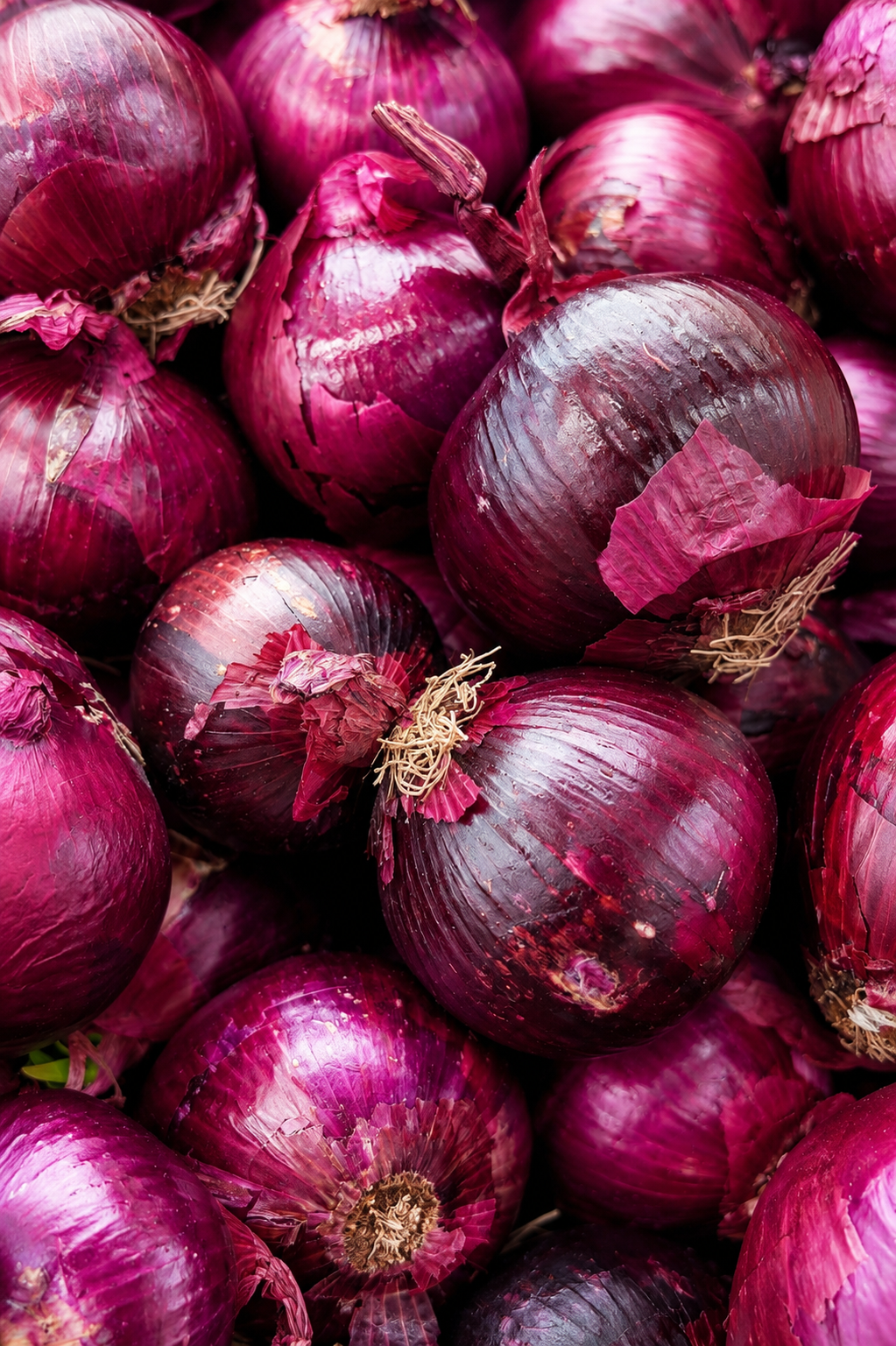
Red Onion
Recognizable by its deep purple-red skin. Flavor: Mild, slightly sweet, and crisp. Best for:
- Salads
- Sandwiches
- Burgers
- Salsas
- Pickling
Rich in anthocyanins, the antioxidants responsible for their vibrant color.
White Onion
White onions have thin skin and a sharper flavor. Best for:
- Mexican cuisine
- Fresh salsa
- Tacos
- Grilling
Sweet Onion
Examples include Vidalia, Walla Walla, and Maui onions. They contain less sulfur, making them sweeter and milder. Best for:
- Onion rings
- Caramelizing
- Sandwiches
- Fresh salads
Shallots
Smaller than onions with a delicate, slightly garlicky flavor. Popular in:
- French cuisine
- Gourmet sauces
- Salad dressings
Green Onions (Scallions)
Harvested before the bulb fully develops. Both the white base and green leaves are edible. Best for:
- Soups
- Stir-fries
- Omelets
- Garnishes
Amazing Health Benefits of Onions
Modern research continues to support many of the traditional beliefs about onions’ health-promoting properties.
Rich in Antioxidants
Onions contain powerful antioxidants, including:
- Quercetin
- Anthocyanins (especially red onions)
- Sulfur compounds
These compounds help protect cells from oxidative damage caused by free radicals.
Supports Heart Health
Studies suggest onions may help:
- Lower blood pressure
- Reduce inflammation
- Improve blood vessel function
- Lower LDL (“bad”) cholesterol oxidation
Together, these effects may reduce the risk of cardiovascular disease.
May Help Regulate Blood Sugar
Certain sulfur-containing compounds and antioxidants in onions may improve insulin sensitivity and help stabilize blood glucose levels. Although onions are not a treatment for diabetes, they can be part of a healthy diet.
Supports the Immune System
Onions provide:
- Vitamin C
- Antioxidants
- Plant compounds with antimicrobial activity
These nutrients help support normal immune function.
Good for Gut Health
Onions contain prebiotic fiber, particularly inulin and fructooligosaccharides. These fibers nourish beneficial bacteria in the intestines, supporting:
- Healthy digestion
- Improved nutrient absorption
- A balanced gut microbiome
May Reduce Cancer Risk
Research suggests that diets rich in onions and other allium vegetables (such as garlic and leeks) may be associated with a lower risk of certain cancers, particularly cancers of the digestive tract. Scientists believe sulfur compounds and flavonoids contribute to these protective effects.
Supports Bone Health
Some studies indicate that regular onion consumption may help maintain bone density, particularly in older adults and postmenopausal women.
Natural Anti-Inflammatory Effects
Quercetin is known for its anti-inflammatory properties, which may help reduce chronic inflammation linked to many diseases.
Why Do Onions Make You Cry? When an onion is cut, its cells rupture and release sulfur-containing compounds. These compounds react with enzymes to produce a gas called syn-propanethial-S-oxide. When the gas reaches your eyes, it mixes with tears to form a mild acid, irritating the eyes and triggering tear production. Ironically, the same sulfur compounds responsible for the tears also contribute to many of onions’ health benefits.
Nutritional Value
A medium onion contains approximately:
- Calories: 44
- Carbohydrates: 10 g
- Fiber: 2 g
- Vitamin C
- Vitamin B6
- Folate
- Potassium
- Manganese
Onions are naturally low in fat and sodium while providing valuable nutrients.
Final Thoughts
The onion is one of humanity’s oldest cultivated vegetables and remains one of the most important ingredients in kitchens worldwide. From ancient Egyptian tombs to modern restaurants, this simple bulb has earned its place through remarkable flavor, versatility, and impressive health benefits. Whether enjoyed raw, grilled, roasted, caramelized, or pickled, onions offer far more than taste—they provide nutrients and plant compounds that support overall health. Sometimes, the simplest foods truly are among the most extraordinary.


Comments 0
Sign in to commentJoin the conversation — no account needed
No comments yet
Be the first to share your thoughts!