WHAT SOLUTIONS CAN BE IMPLEMENTED?
The Malaysian authorities should minimise the occurrence of outages by holding systems suppliers to account, and mitigate the impact of glitches when they occur, observers said.
MDS Consultancy’s Rosli said the authorities must ensure the system is up to task in terms of design, ability to handle capacity and vendor support.
He suggested full, regular audits of these autogate systems, mandatory supplier explanations where relevant following outages and penalties or remedial actions where contractual obligations are not met.
He questioned whether accountability should rest with the supplier instead of the operator when “systems fail repeatedly”.




“Transparency is critical,” said Rosli.
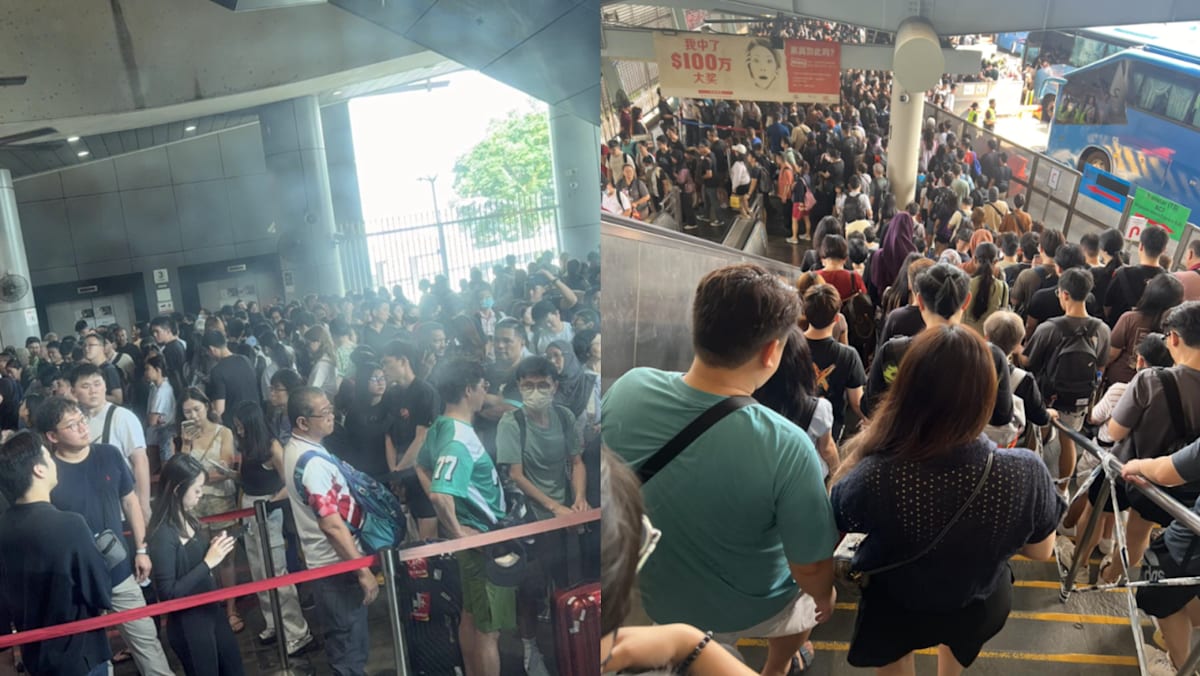
Last weekend’s outage was attributed to data integration issues as Malaysia transitions from the Malaysian Immigration System (MyIMMs) to the new National Integrated Immigration System (NIISe).
The same reason was cited for a Jul 19 incident last year where more than 200 autogates malfunctioned across BSI, KSAB as well as Kuala Lumpur International Airport Terminal 1 and 2, affecting tens of thousands of foreign travellers.
CNA has sent queries to AKPS about the detailed cause of the autogate disruption last weekend, solutions it wishes to adopt, the identity of the autogate supplier and whether any action will be taken against the company if it is found to be at fault.
If outages happen, commanders overseeing immigration clearance operations must “react fast” to man counters and transition to manual processing, AKPS’ Mohd Suhaily reportedly said.
“If counters are not operating, that is a commander’s failure,” he said.
Tan of Olive Tree agreed, saying the deployment of manual counters should be responsive to the ground situation.
“When autogates fail, all available manual counters should be activated immediately, with a higher proportion allocated to foreign passport holders, since Malaysians may still be able to use alternative automated lanes,” he said.
He suggested better communication between the Malaysian and Singapore immigration agencies when system disruptions occur. “This would help slow or temporarily divert inbound travellers to Johor, preventing congestion from compounding while the system is being restored,” he said.
Commuter and academic Serina Rahman, a lecturer with the National University of Singapore’s Southeast Asian Studies department, suggested that ahead of the RTS Link’s launch, authorities on both sides should conduct trial runs to test if the immigration clearance system can handle the anticipated volume of travellers.
“There needs to be thorough testing, and (a plan for the) dispersal of people by other modes of transport once they exit too,” said Serina, who commutes by bus between Singapore and Johor around five times a week and worries about potential stampedes should glitches occur.
While there have been setbacks, Serina said the Malaysian authorities have made progress in speeding up immigration clearance at the Johor land borders.
Source: CNA