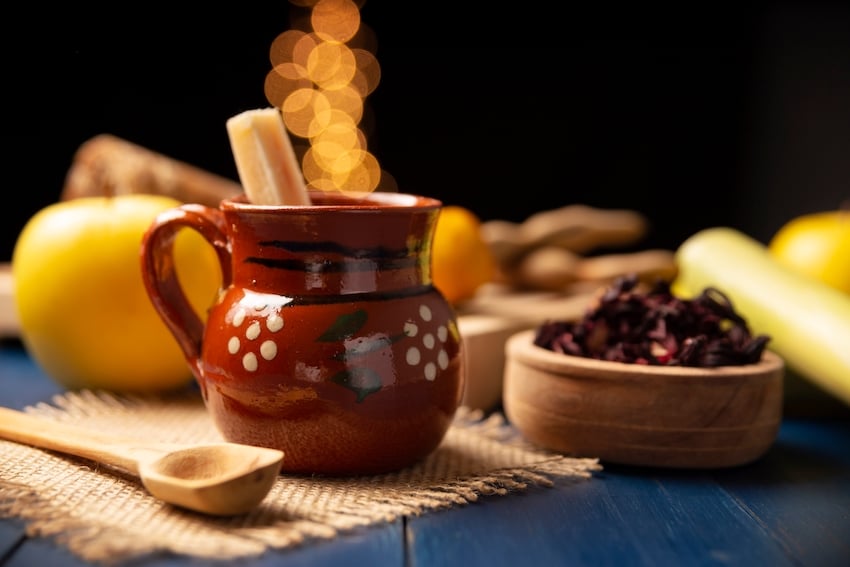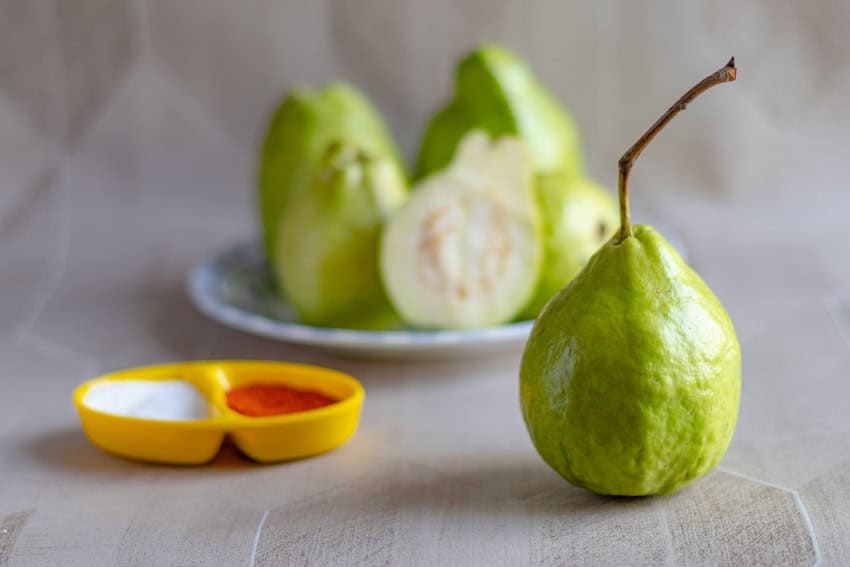
When I was a kid and winter rolled in — or when we inevitably caught a nasty cold — my mom, following doctor’s orders, would hand us little slices of guava drenched in honey and sometimes a splash of lime.
The smell of guava is intense. Some would even call it overwhelming. The flavor? Same story. Bold, unapologetic, and absolutely delicious. That flavor is part of Mexico’s cultural fabric. You’ll find it in candies, desserts, moles, aguas frescas, and, of course, the legendary Boing de guayaba.
Guayabas Before the Conquest
Guava is native to Mesoamerica — specifically, southern Mexico and Central America. We know this because archaeological remains have been found in places like Teotihuacán, even though the guava tree doesn’t grow there naturally. That means it was imported, which also gives us a glimpse into the complexity of ancient trade networks. There’s also evidence of guava in Chiapas dating back to 1000 A.D.
In the Nahuatl-speaking world, guava was known as xolócotl or cuahuitl. I haven’t cracked the etymological code linking those words to “guayaba” yet, but I’m working on it.


In the Florentine Codex, guavas are described as “fragrant little apples, unknown to us, sweet and sour, and quite useful for stopping diarrhea.” A fruit with Renaissance-level multitasking skills.
Other historical records note that both the fruit and its leaves were used to treat digestive issues, infections, viruses, and skin conditions. So while it wasn’t a daily staple like chile, corn, or beans, guava was always there — quiet, healing, and humble.
Guava steals the spotlight
Fast-forward to colonial Mexico, where Spanish culinary techniques met native ingredients. That’s when guava got its chance to shine. It became the star of jams, preserves, pastries — and eventually, the classic ate de guayaba.
When we visited our grandparents and they had no interest in making or buying dessert, they’d play the “Tenemos ate” card. Out came the guava paste from the pantry, along with manchego cheese. Thin slices of each, paired together. Best. Dessert. Ever.
Ate is one of Mexico’s most traditional sweets, born out of the need to preserve fruit long before refrigeration. Think of it as the unholy lovechild of jelly and marmalade, but with a dense, almost creamy texture. A sliceable slab of nostalgia.
Another classic? Atole de guayaba. At some point during the three-century-long colonial period (don’t ask me exactly when), someone had the divine idea to add guava to atole. Whoever that person was — gracias. The sweet, floral guava perfectly balances the subtle acidity of the atole. With its nutritional punch, it’s better than any post-workout supplement on the market.
And then there’s mole de guayaba, a regional dish from the Bajío. Sounds weird, right? Sweet fruit in a savory sauce? But guava’s tart-sweet punch deepens the mole’s complexity. It doesn’t taste like dessert — it just works.
I can’t leave out the most commercial — but no less beloved—way of enjoying guava. In Mexico, we have a long-standing love affair with fruit-based aguas frescas and juices. In the 1960s, the already iconic soda brand Pascual launched Boing, a fruit-based drink made with real pulp. With seven different flavors, guava remains one of the most cherished among us loyal fans. Some might scoff, but trust me—pair a cold Boing de guayaba with tacos from a street stand, and that’s not just a meal. It’s a rite of passage.
Super guava powers
Forget oranges and lemons — guava has more vitamin C than both. Suddenly, my pediatrician’s remedy makes sense: load up on guava and honey.
It’s also rich in vitamin A, B-complex (even B12), and E. You’ll find calcium, iron, potassium, magnesium, and phosphorus packed into its juicy flesh and tiny seeds.
What does that mean for you? Regular guava consumption boosts your immune system, fights oxidative stress, supports your skin and eyes, and even helps your brain’s neurotransmitters do their job (thanks, B6). It’s good for your blood pressure, your nervous system—and yes, if your digestive system is out of whack, guava’s got your back. Pre-Hispanic medicine had it figured out.
Got ulcers? Guava won’t cure them, but it might take the edge off.
What the hell can you do with guava?
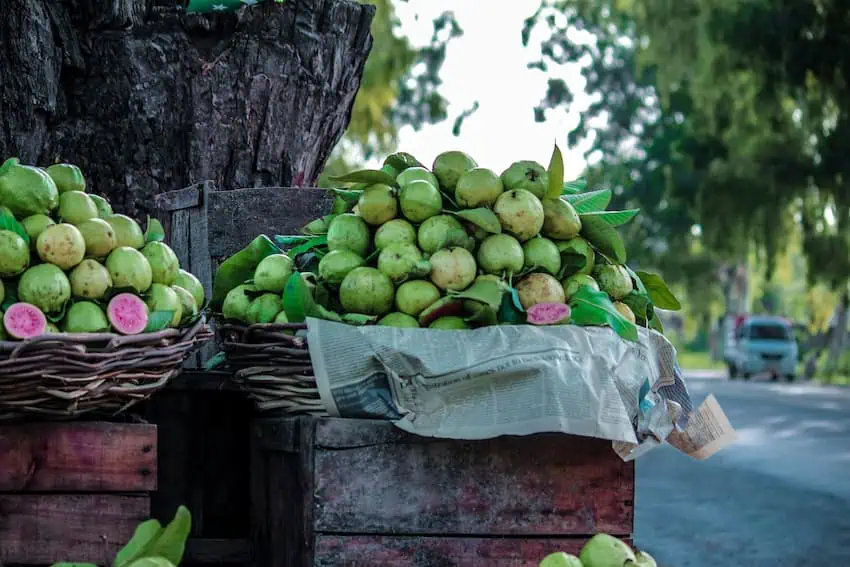
Honestly? Anything. Make jam. Blend it into smoothies, aguas frescas, juice, sorbet, jello (pro tip: guava + yogurt = magic), tamales, cakes, pies, eclairs—even meat glazes for that perfect sweet-sour contrast.
But if you want to keep it simple, yet wildly satisfying, here’s one of my go-tos—a little homage to my pediatrician:
Mascarpone toast with guava (serves 2)
Ingredients:
• 2 slices of good bread (sourdough, masa madre, or even bolillo)
• 4 tbsp mascarpone
• 1 ripe guava, thinly sliced (2 if they’re small)
• 1 tsp honey or agave syrup
• Pinch of sea salt
• ½ tsp lemon or orange zest (if you’re feeling like a pro chef)
• Fresh mint or basil
• Crushed pistachios, walnuts or almonds nuts (optional)
Instructions:
1. Toast the bread. If you want a bit more flavor, add butter.
2. Spread a thick layer of mascarpone over the toast.
3. Fan the guava slices on top.
4. Drizzle with honey, then sprinkle sea salt and zest.
5. Garnish with mint or basil and nuts if you’re feeling extra.
6. Serve with coffee or tea. Then take a moment to thank yourself for making excellent life choices.
Vegan Version: Whipped Tofu Toast with Guava
Ingredients:
• 2 slices of toasted bread
• 150g firm tofu, drained
• 1 tsp coconut or olive oil
• 1 tsp agave syrup
• 1 tsp lemon juice
• ½ tsp vanilla extract
• 1 guava, thinly sliced
• Sea salt, zest, mint, and nuts (same as above)
Instructions:
1. Blend the tofu with oil, agave, lemon, and vanilla until smooth and fluffy.
2. Spread the whipped tofu on your toast.
3. Top with guava slices and all your favorite toppings.
4. Serve and wait for someone to say, “Wait… this is vegan?”
Amigos, guayaba is one of Mexico’s boldest flavors—even if it’s often underestimated. It’s been medicine. It’s been dessert. It’s been here long before Columbus got lost. If you haven’t tasted it yet, now’s the time. And if you have, but somehow forgot about it—welcome back!
María Meléndez is a Mexico City food blogger and influencer.
Source: Mexico News Daily