DOES DONALD TRUMP CARE?
A curious irony of Trump’s actions is that the US need not give up its positions in Europe and East Asia to attain Western hemispheric influence. Washington already gets most of what it wants from its neighbours. It does not need, for example, to conquer Greenland for national security when it already has military access to the island under an agreement signed with Denmark in 1951.
Cuba and Venezuela stand against the US in the Western Hemisphere, but both are minor players with problems of corruption. There is no compelling reason to retrench from global liberalism to regional bullying, as the former has well served US national security.
Trump does not seem to grasp that US competitors, such as China and Russia, will now use his realpolitik logic to assert analogous spheres of influence. To be sure, the liberal international order never constrained them much. But the liberal order provides a framework of solidarity for smaller countries to resist a major power’s hegemony.
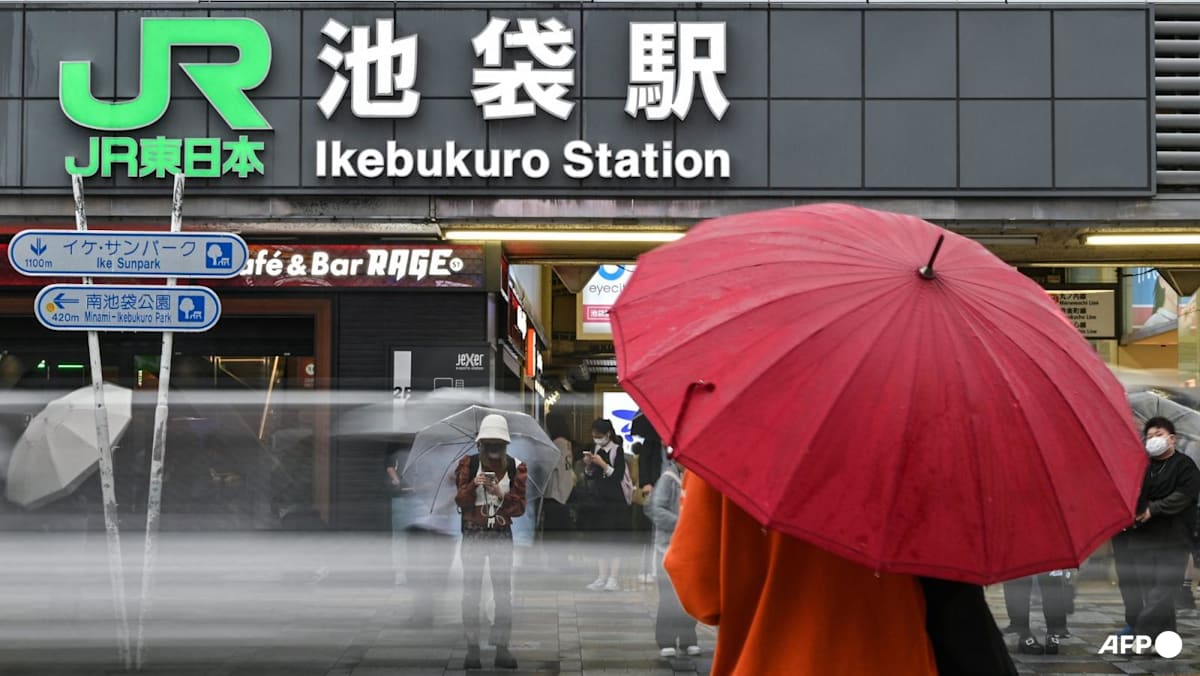
For instance, liberalism has been a unifying principle among Indo-Pacific states from the US to India, Japan, South Korea and the Philippines. The “free and open Indo-Pacific” directly refutes realpolitik and gives the ungainly coalition some ideological definition. That is, liberalism gives the many, varied states worried about China a coherent language of cooperation and vision.

Trump’s recent actions have eliminated that. If states fearful of China are united by nothing more elevated than national interest, they are less likely to cooperate with each other.
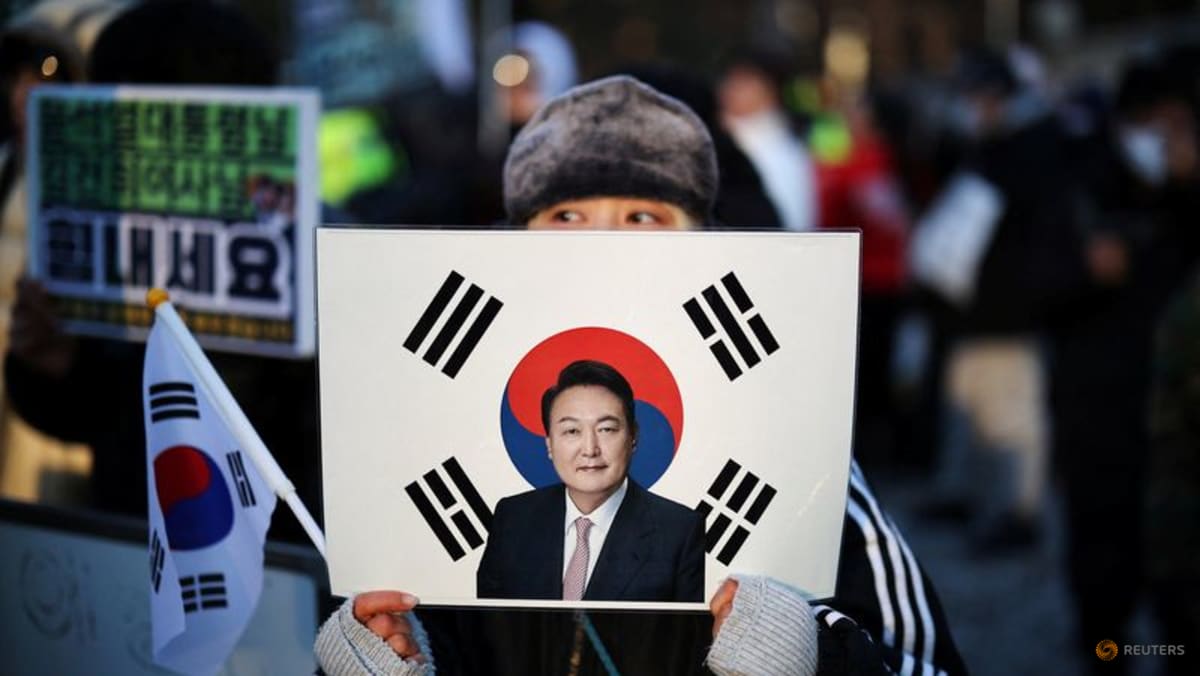
If the US is an unreliable ally, it makes sense to look for alternate arrangements. US defection has already motivated nuclear weapons debates in South Korea and Japan. But if Trump’s America is openly aggressive toward traditional partners, then approaching China for a separate peace could become more attractive.
Both the US and China are militarily capable; the difference between them used to be liberalism. The US, pre-Trump, was a more trustworthy ally. In pursuing a hemispheric zone of influence, Trump encourages China to seek the same and gives Asian countries no reason to align with the US to stop it.
Robert Kelly is a professor of political science at Pusan National University. He writes a monthly column for CNA.
Source: CNA