‘Not rocket science’: Why Malaysia groups are again pushing to ban asbestos in construction work

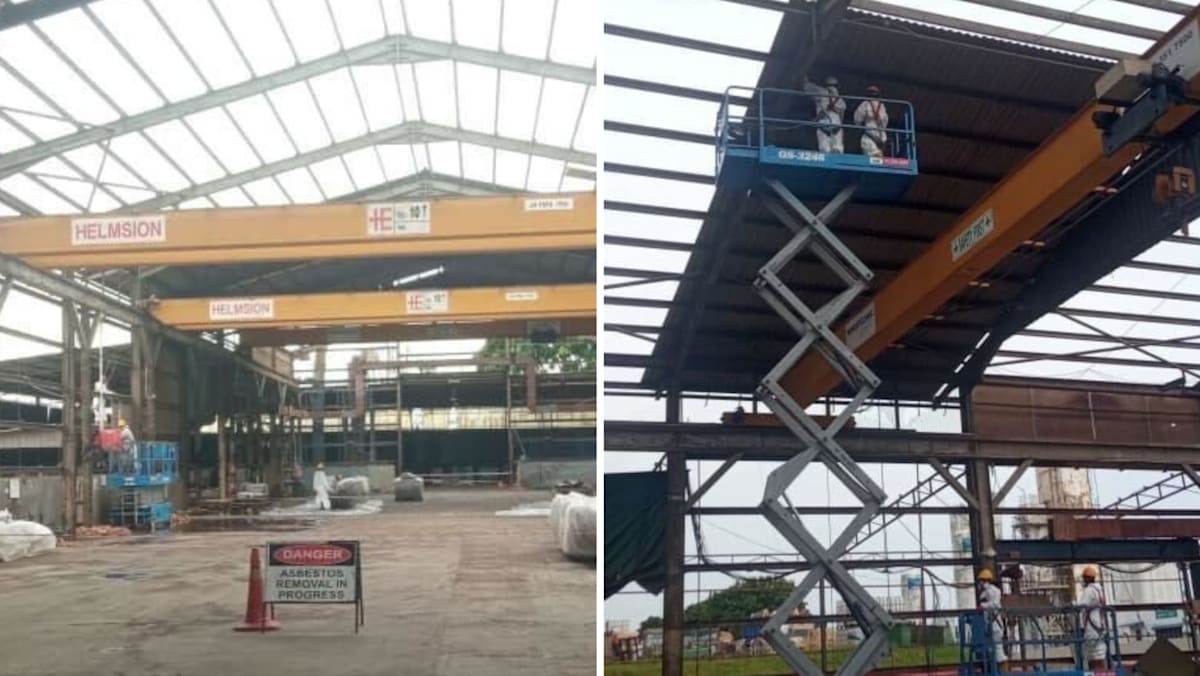
Medical experts say breathing the ultra-thin asbestos fibres – which are released into the air when the material cracks – can lead to an increased risk of lung cancer.
Asbestos-related diseases include mesothelioma – a cancer of the chest lining and abdominal cavity – and asbestosis, in which the lungs become scarred with fibrous tissue.
According to the Global Cancer Observatory, 27 mesothelioma cases were reported in Malaysia in 2022, a figure projected to increase to 51 in 2045.
The WHO has stated that the most efficient way to eliminate asbestos-related diseases is to stop using all types of asbestos.



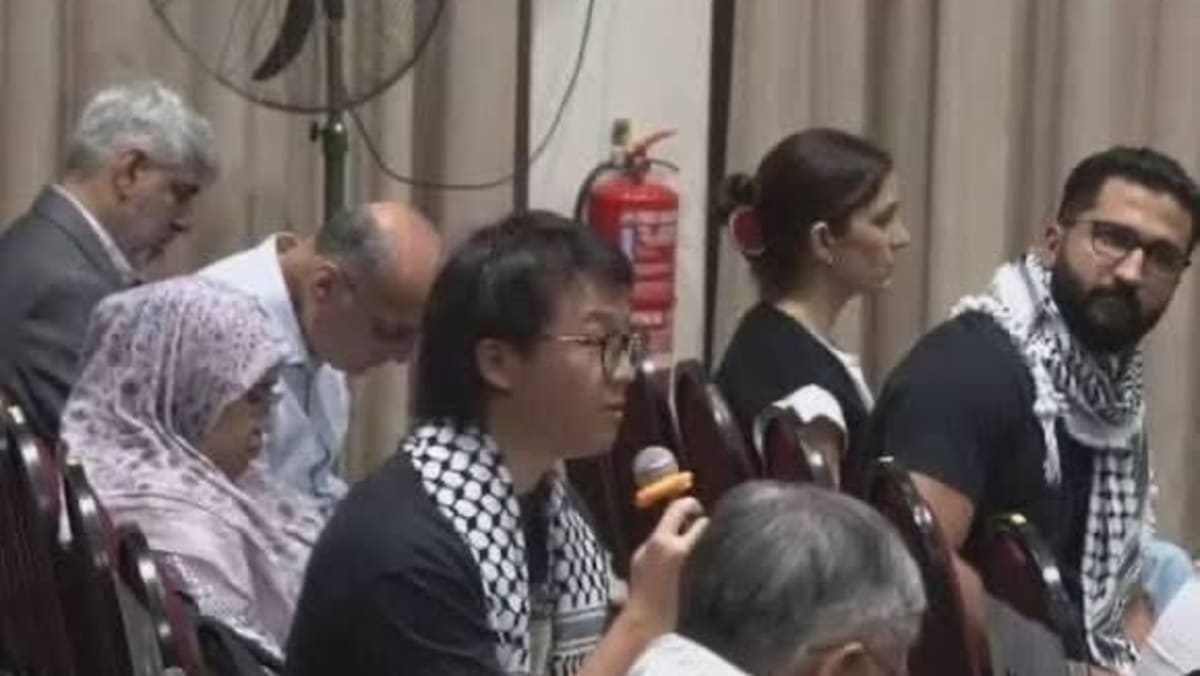
The CAP said it has raised awareness on the negative effects of asbestos since the 1980s. In 2001, and more recently in July 2024, it submitted memorandums to the government calling for a total ban on the material.
As of September 2025, 72 countries and territories – including Japan, South Korea and Taiwan – have imposed national bans on chrysotile asbestos mining, importation, production and use, according to the International Ban Asbestos Secretariat.
In Southeast Asia, Singapore has banned the use of asbestos in buildings since 1989, but many old buildings in the city-state still contain asbestos. Other countries in the region either have no or partial asbestos bans.
INDUSTRY LOBBY STILL EXERTING PRESSURE
Lobbying by the chrysotile industry in Malaysia has led to its continued use and “false belief” that chrysotile can be used safely, said Mageswari Sangaralingam, chief executive of CAP.
“We believe that the chrysotile industry group derailed the proposal for a ban in Malaysia by diminishing the dangers of chrysotile,” she told CNA.
“However, it is evident that all forms of asbestos, including chrysotile, are hazardous to human health.”
The International Chrysotile Association maintains that chrysotile is much safer than the other five types of commercial asbestos called amphiboles, and that many countries have allowed “controlled use” of chrysotile instead of banning it.
While the association admitted there is no consensus about what the safety threshold is for exposure to chrysotile asbestos, it claimed the “scientific community” recognises that this threshold “does exist”.
“The confusion purposely maintained by opponents to safe chrysotile use is due to confusing two families of fibres, without distinction, despite the fact that the type, geological source, use and effects on health are radically different,” said a brochure by the Asbestos Institute available on the association’s website.
Jayabalan from HASAC said Malaysia should have been able to “easily defang” the chrysotile industry lobby in the name of environmental and health safety. He claimed that the “powerful” lobby knows where it can apply pressure in terms of administrative sections that deal with occupational safety regulations.
CNA has reached out to the International Chrysotile Association for comment.
Source: CNA