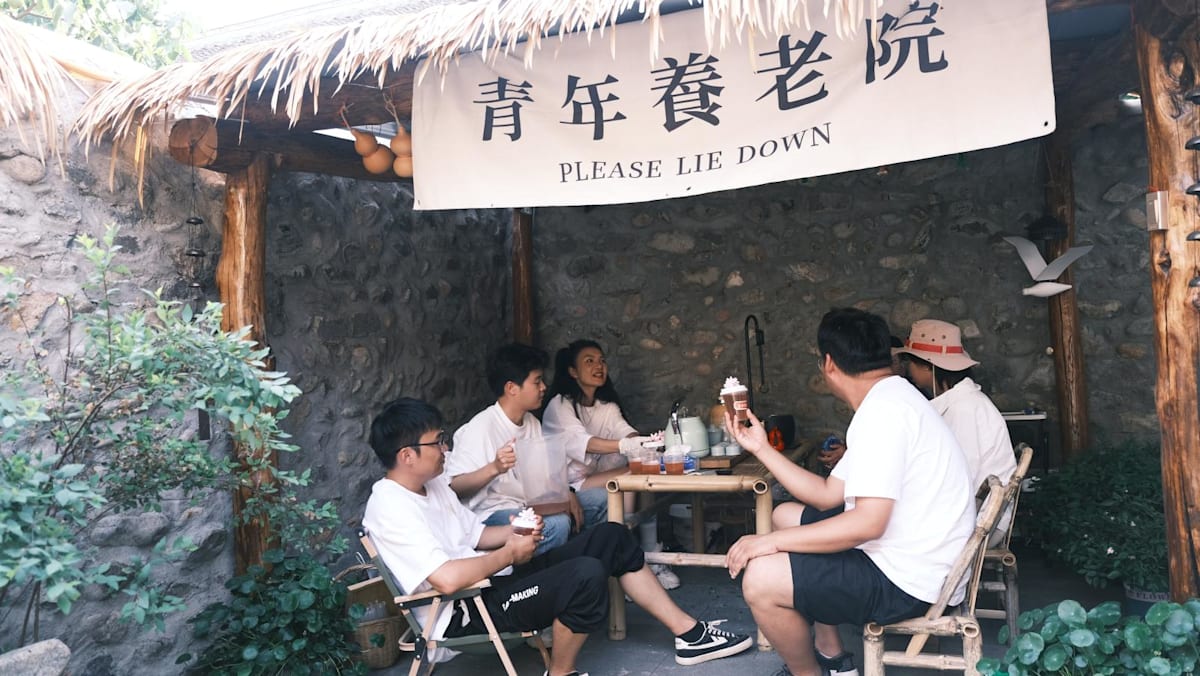
BANDAR SERI BEGAWAN: Retirement and nursing homes are typically associated with the elderly and long-term care patients. However, post-pandemic, a new type of facility – “youth retirement homes” – has emerged in China and, most recently, in Malaysia. Their emergence provides some insight into what drives demand and the predicaments faced by youth in both countries.
Youth retirement homes offer affordable short-term stays (ranging from weeks to months) for young people in their twenties to mid-forties. Located in sub-urban or rural areas, including in scenic and natural surroundings, they provide communal living with activities such as meditation, painting, farming and shared meals.
Despite the “retirement” label, they are more analogous to retreats and wellness centres. The term is used loosely – a literal translation from Chinese: “qing nian yang lao yuan” (youth retirement/nursing home) and “qing nian liao yang yuan” (youth recuperation facility). They offer a social space for young residents to pause, slow down, and recalibrate.
In China, these facilities were initially established in late-2022 in Jiangmen, Guangdong and Xishuangbanna, Yunnan before spreading to other locations. By the end of 2024, there were over 2,000 such facilities in 20 provinces. On RedNote, a popular Chinese social media app, the hashtag “qing nian yang lao yuan” has gained almost 10 million views.


In December 2025, Malaysia’s first youth retirement home was reported to have opened in Gopeng, Perak by a 25-year-old whose family runs a nursing home. Social media reactions then were mixed: critics dismissed participating youths as “snowflakes” while others sympathised with them, stating that they were stressed out, tired, overwhelmed or burnt out.
Source: CNA