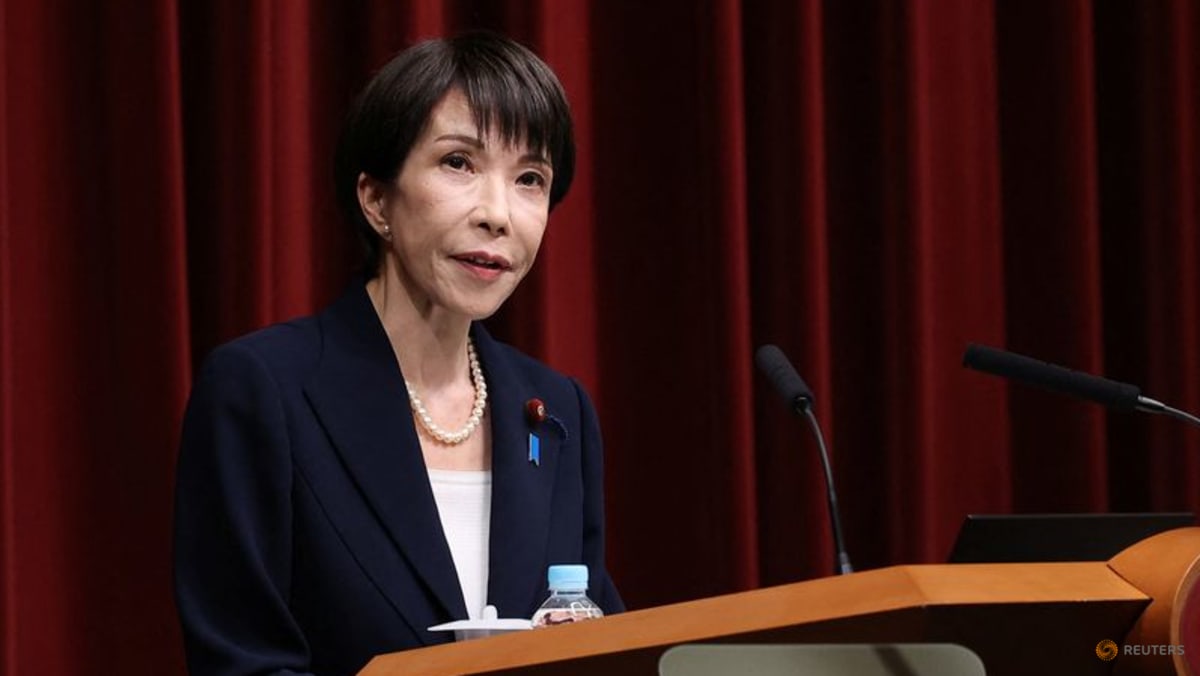
The Liberal Democratic Party:
Since it was founded in 1955, the Liberal Democratic Party (LDP) has led governing coalitions in one form or another for all but two brief periods. That record has cemented its reputation as Japan’s natural party of government and the steward of past eras of rapid economic growth. Many younger voters, however, view the LDP as a slow-moving party dominated by older politicians. Many blame it for Japan’s towering public debt and stagnant wages, as well as a pension system they expect to inherit in diminished form.
The Japan Innovation Party:
The Japan Innovation Party (JIP), also known as Ishin, is an Osaka-based party that has recently become a formal ally of the LDP. The partnership gives the ruling coalition a more explicitly right-leaning identity on defence. The JIP’s support is heavily concentrated in Osaka, and critics say the party is overly focused on local issues. The JIP’s 34 seats combined with the LDP’s 199 seats – including some aligned independents – give the coalition a narrow majority in the current composition of the lower house.




Constitutional Democratic Party:
The largest opposition force is the Constitutional Democratic Party (CDP), a centre-left party run by former Prime Minister Yoshihiko Noda. The CDP has opposed nuclear power and the LDP’s proposed changes to Japan’s pacifist constitution. It has also supported a temporary reduction of the sales tax on food to help households cope with inflation.
The party draws much of its support from urban voters and organised labour but also enjoys a stronghold in Japan’s northeast, in the region close to the site of the Fukushima nuclear disaster. The CDP currently holds 148 seats.
The CDP and Komeito, a former long-term ally of the LDP, have formed a new party for the election, called the Centrist Reform Alliance. That could make the CDP far more competitive than Takaichi had been expecting.
Komeito:
Komeito is a centrist, welfare-oriented party known for supporting low-income households, having a relatively pro-China stance, and being opposed to constitutional change. For more than two decades up to 2025, Komeito helped deliver votes for LDP candidates in single-member constituencies in return for LDP support in the proportional representation contests. How its new role will reshape voting patterns is a key election watchpoint. Komeito currently holds 24 seats.
Democratic Party for the People:
The Democratic Party for the People, founded in 2018, has rapidly gained traction in recent elections by focusing on issues that resonate with salaried workers, including inflation and take-home pay. Its leader, Yuichiro Tamaki, a charismatic former finance ministry official, briefly emerged in 2025 as a potential prime ministerial candidate who was thought to be capable of uniting opposition parties.
Sanseito and other smaller parties:
Among several smaller groups, the far-right Sanseito party has attracted growing attention after it won the second-largest share of votes in the 2025 upper house election. While it currently holds just three seats in the lower house, it could make further gains by winning over voters – as it did last year – who are concerned about immigration and cultural change in a traditionally homogeneous society. It also favours the phasing out of the sales tax, a move that would further strain the nation’s coffers. However, its prospects may be limited if voters return to the LDP under Takaichi.
Source: CNA