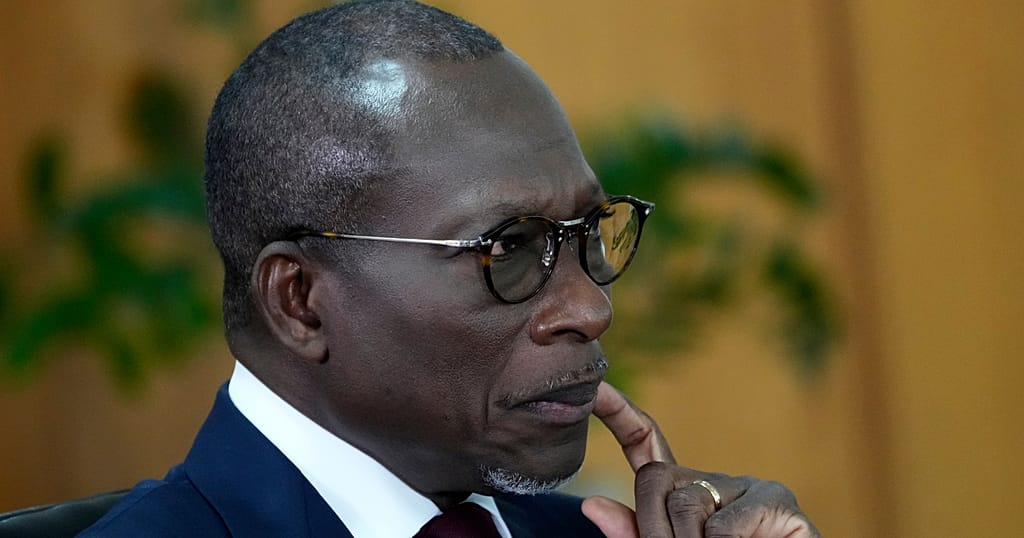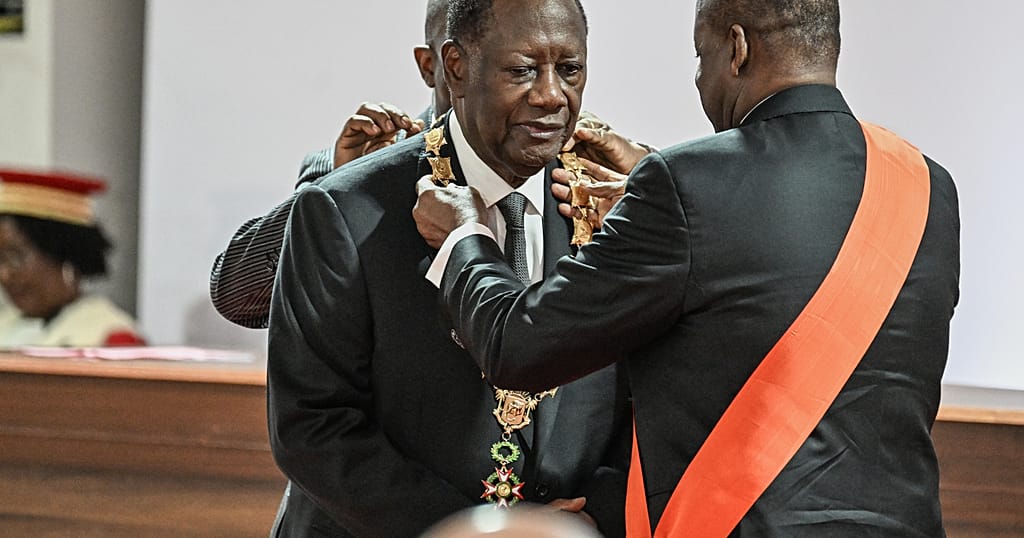
President Alassane Ouattara of the Ivory Coast was inaugurated Monday morning for his fourth five-year term in office, following an October election marked by low turnout and a crackdown on dissent.
The inauguration was attended by several regional heads of state, including from Mauritania, Liberia, Gambia, Ghana, Senegal and Gabon.
After taking the oath, Ouattara several times boasted of the progress the country has made since he took power in late 2010.
“On Saturday, October 25, Ivorians expressed their sovereign choice. They reaffirmed their commitment to democracy, to stability and to peace, for which so much effort has been made since 2011,” he said.
He also referenced regional instability, saying, “Our sub-regional environment remains fragile. Terrorist threats persist, are changing, and digitizing.”
The 83-year-old Ouattara first came to power after winning a disputed election in late 2010 against his predecessor, Laurent Gbagbo.
Deadly unrest surrounding that election left at least 3,000 people dead before an internationally backed Ouattara, backed by U.N. and French forces, assumed power.
Since then, his supporters have credited him with restoring the conflict-ravaged economy in the world’s largest cocoa producer, while critics have accused him of tightening his grip on power.
Leading up to October’s election, the main opposition candidates were barred from running, most notably Tidjane Thiam and former president Laurent Gbagbo.
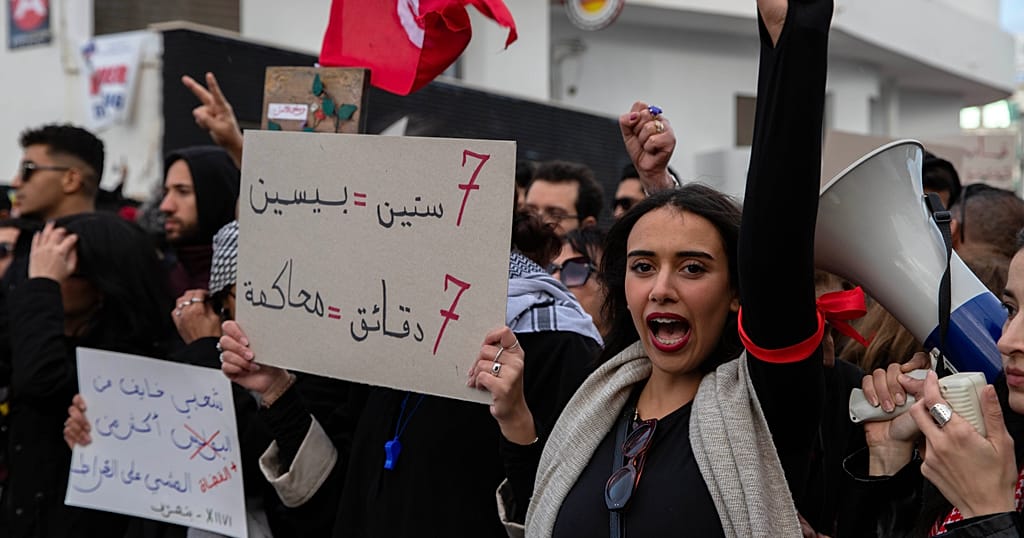
There were massive protests against Ouattara’s announcement that he was seeking a fourth term, and, approaching the election, protests were banned altogether.
Some defied the protest ban, and authorities tear-gassed demonstrators and arrested hundreds.
But many support Ouattara and believe he has brought stability and growth to a country that saw civil war and deadly post-election violence in decades past.
Ouattara has overseen an economic revival since he came to power, achieving an annual growth rate of 6% backed by a cocoa boom.
While Ivory Coast has a two-term limit, Ouattara oversaw a referendum that changed the Ivorian constitution in 2016, which he later argued reset his terms to zero.
Ouattara has sparred with the junta-led states of Sahelian countries Niger, Mali and Burkina Faso over his alleged support for France, which the juntas have blamed for a deterioration in security in the region.
Source: Africanews