That money, the president believes, could be better spent elsewhere. Prabowo has been imposing a number of cost-saving measures to finance several of his ambitious programmes which could see Indonesia spending more money than it can generate.
As of November, the country’s 2025 deficit had already reached 560 trillion rupiah or 2.35 per cent of Indonesia’s gross domestic product (GDP).
On Monday, Finance Minister Purbaya Yudhi Sadewa said he could not guarantee the 2025 budget deficit would not exceed the 2.78 per cent of GDP rate stipulated in the budget blueprint.
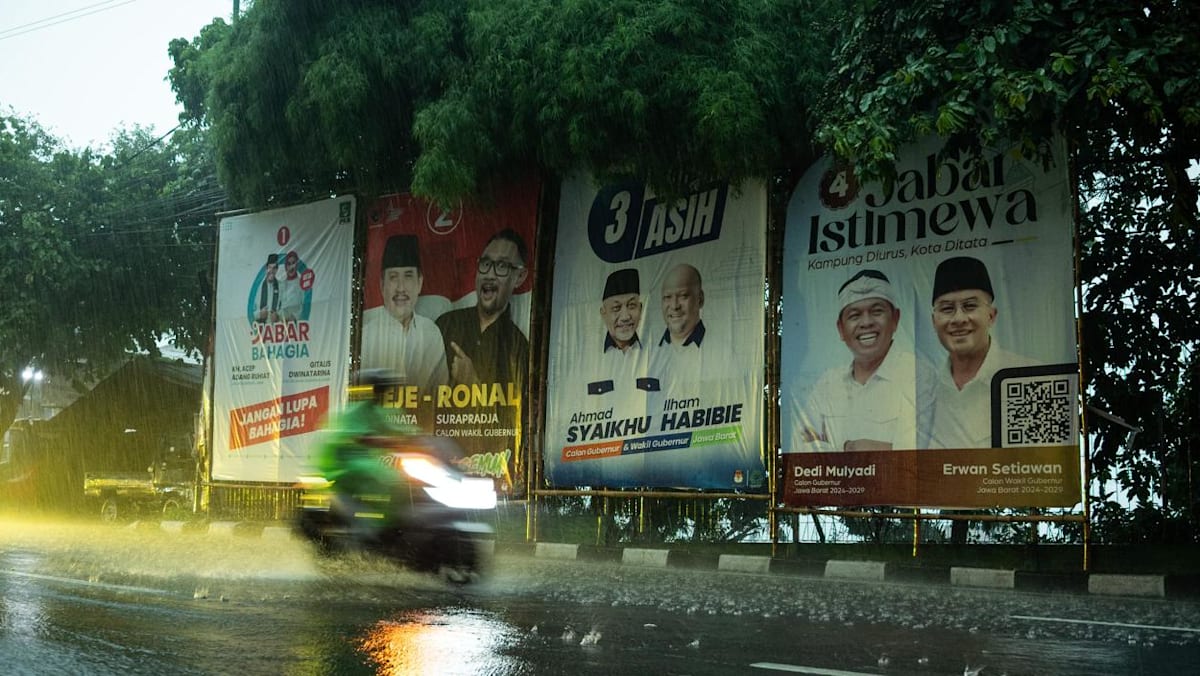
Indonesia’s lawmakers are set to begin discussions next year on revisions to election rules, following a Constitutional Court ruling in June 2025 for the national and regional parliamentary elections to be held separately from 2029.


A House committee that will draft the election bill is expected to be formed in January next year, Arse Sadikin Zulfikar, deputy chairman of House Commission II overseeing home affairs, told The Jakarta Post.
Arse is also a Golkar politician.
SCRAPPING DIRECT ELECTION “NOT THE SOLUTION”: EXPERTS
Experts said the benefits of a direct election of regional leaders outweigh its cost, and scrapping it would not reduce the risk of corruption.
“Democracy should not be compromised for financial reasons,” said Hendri Satrio, a political expert from Jakarta’s Paramadina University.
Indonesia began overhauling the way its elections were run after Suharto was toppled. The country staged its first direct presidential election in 2004 and the following year, its first direct regional election in East Kalimantan’s Kutai Kertanegara regency.
“The proposal to return to the system of (appointing local leaders) through regional legislatures is a setback for Indonesia’s democratic ecosystem,” said Haykal, a researcher at the Association of Elections and Democracy (Perludem).
The researcher, who goes by one name, also dismissed the argument that directly electing local leaders breeds corruption.
“High costs come from ‘dark’ political financing, not from the implementation of direct elections,” he said.
Parties should instead be held accountable if their nominees engage in bribery and vote buying practices, said Haykal. They should also vet their candidates more carefully to ensure that only those with strong commitment to combat corruption make the cut.
Scrapping direct election of regional leaders means returning to a more opaque way of choosing them, one that is even more prone to corruption and bribery, Haykal argued.
“As long as the political character of the parties remains the same, changing the system will only shift the ‘dark’ political costs to the DPRD.”
The move would also be a blow to democracy in Indonesia as it gives power to a few in the legislative elite rather than the people, another analyst said.
“Political transactions will be higher, and regional heads will be held hostage by the political interests of the DPRD elites who elected them,” said Titi Anggraini, an election law expert from University of Indonesia.
She said the government should focus on improving the quality and integrity of regional elections by better monitoring of how campaign funds are sourced and spent, and tougher enforcement of the law.
“Scrapping direct elections is not the solution,” she said.
Source: CNA