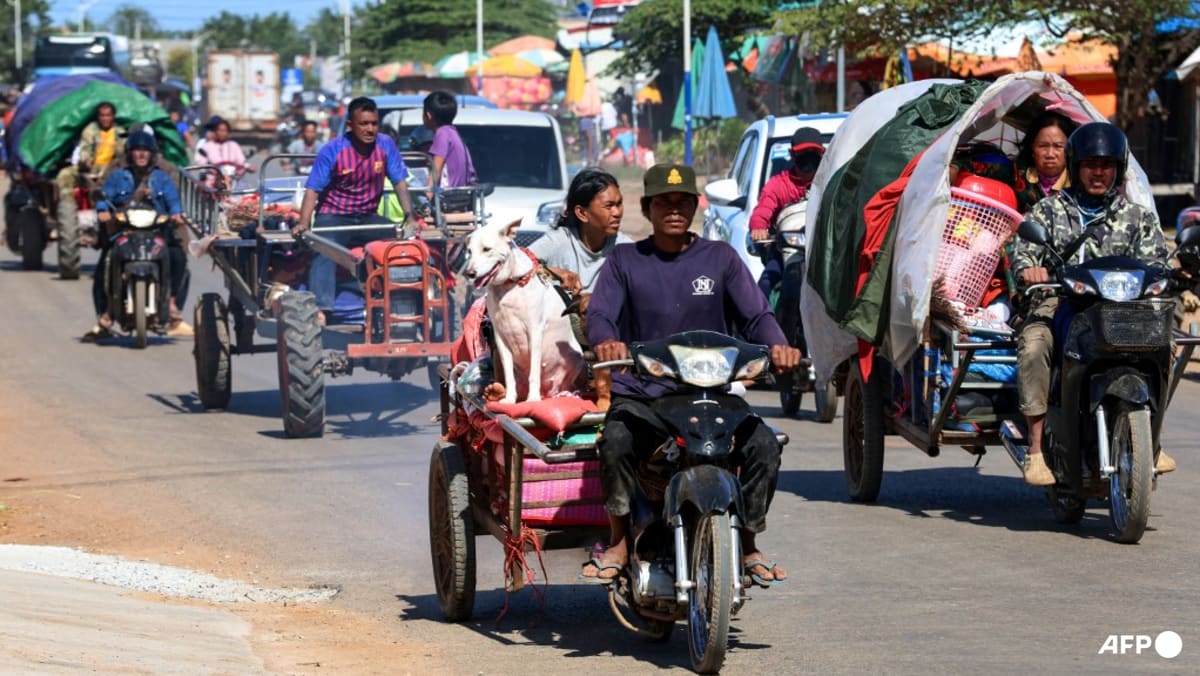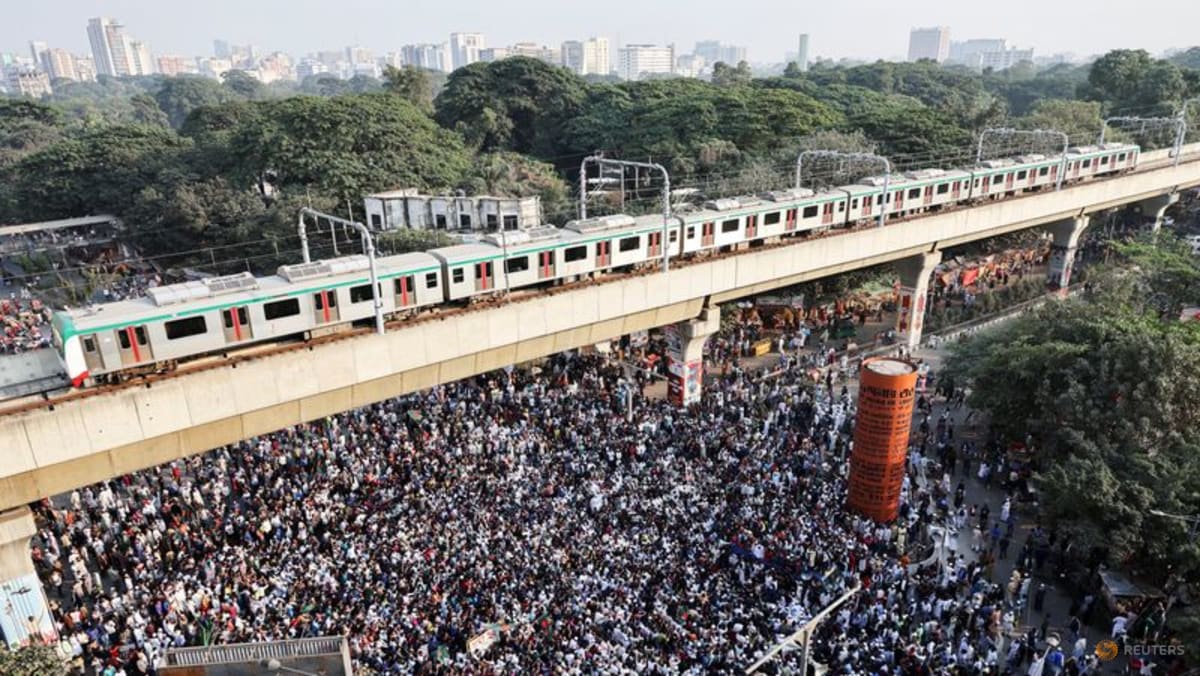
The new Bangladesh that is emerging is also much closer to India’s erstwhile foe Pakistan than the Bangladesh of Sheikh Hasina and her Awami League party.
In November, a Pakistani naval ship anchored off Bangladesh’s Chattogram on a four-day goodwill visit. It was the first since 1971, when Pakistan’s army came with a very different mission – to crush political dissent in what was then East Pakistan.
Yet Hasina had been a stabiliser in a hostile environment, keeping radical Islam at bay, maintaining civil-military balance, protecting minorities, and keeping Bangladesh economically and geopolitically predictable.
Years of suppressed grievances and internal tension have been building up since Bangladesh’s founding in 1971, between secularists and religious conservatives and between the civil state and the military and security agencies.
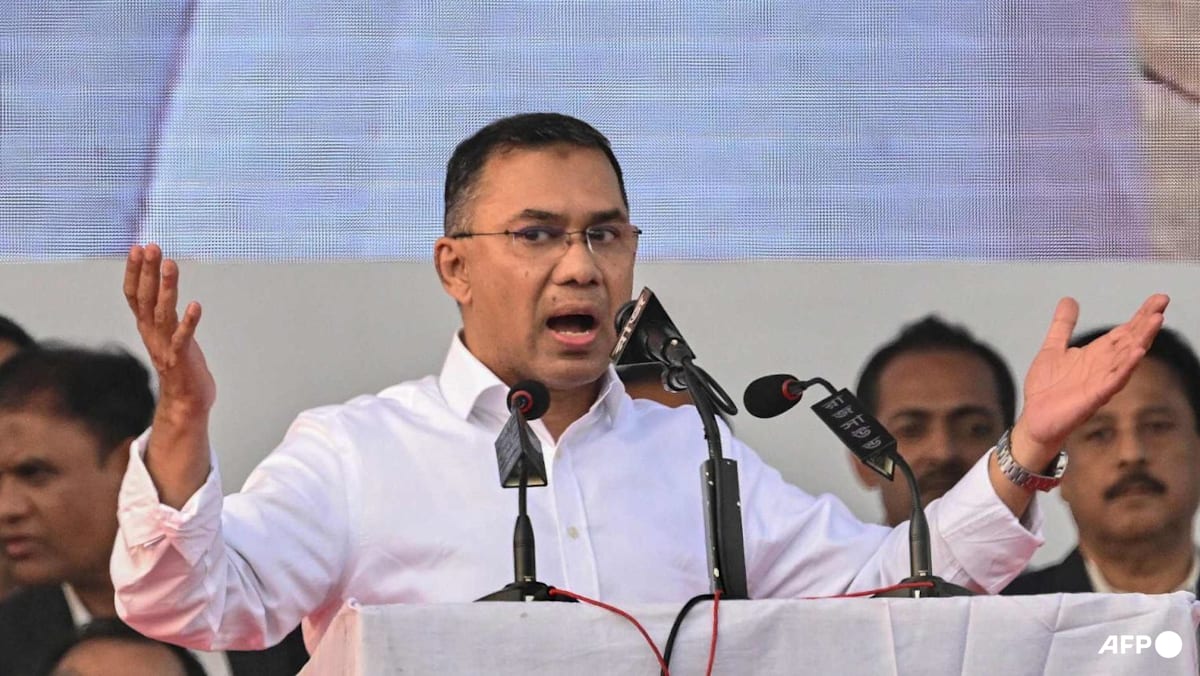

With the Awami League now suppressed, the Bangladesh Nationalist Party (BNP) is widely expected to win enough of a mandate to form and lead a government after the February election. BNP leader Tarique Rahman, eldest son of former Prime Minister Khaleda Zia, could emerge as the next prime minister.
The hardline religious party Jamaat-e-Islami Bangladesh (JIB), once banned by Hasina, is seen to have grown in strength since her fall, and will also need to be accommodated. How well the JIB does in the election, will indicate the direction in which Bangladesh is heading.
It would also show the nature and scale of the challenge the BNP, if it comes to power, would face in steering a middle course both internally and internationally.
Source: CNA