WALKING A TIGHTROPE
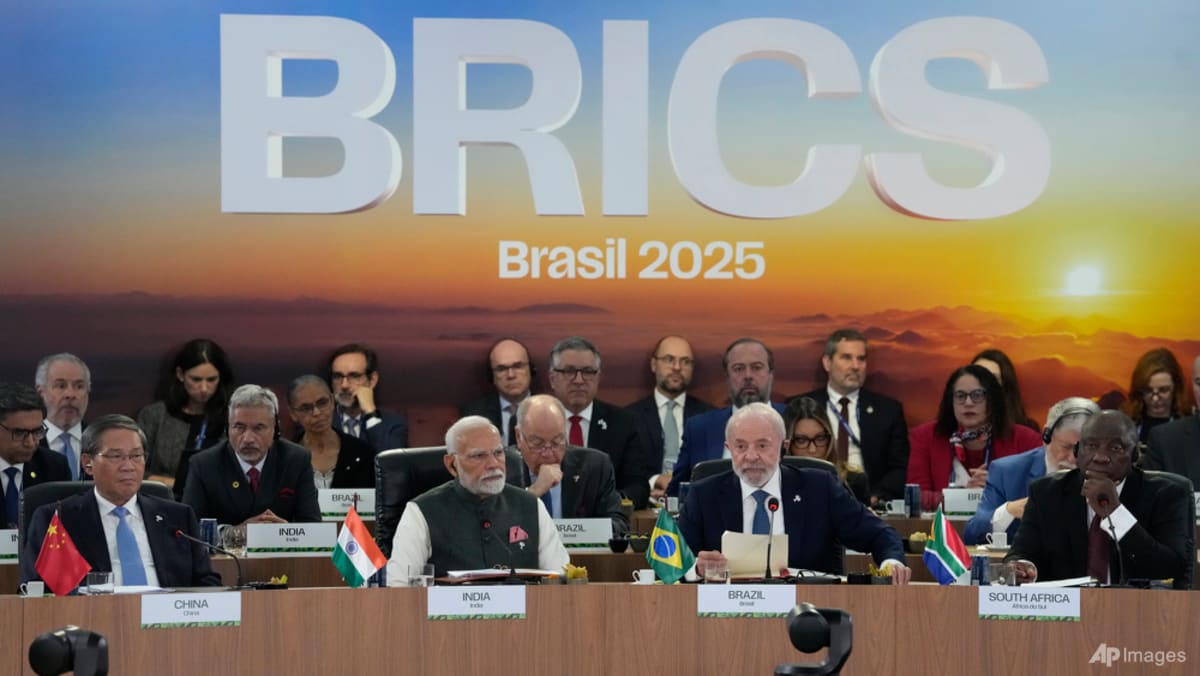
The bigger test, however, will be balancing the bloc’s internal politics while managing pressure from outside.
India will have to keep BRICS positioned as pro-Global South, while engaging Washington.
If India succeeds in keeping the group aligned in 2026, it could shape how the Global South wields influence in an increasingly divided world.
A key variable in India’s presidency will be its relationship with China.



Ties between the two Asian giants have shown signs of thawing since 2024, but distrust remains.
Complicating matters further are Beijing’s ties with Islamabad, which New Delhi accuses of sponsoring cross-border terrorism.
But experts believe both sides could set aside their differences for the larger collective interest.
“I think it is an open secret that China’s support for Pakistani policies does create complications,” said Rajiv Bhatia, distinguished fellow of the foreign policy studies programme at think-tank Gateway House.
“But within BRICS, when it comes to developing common positions, I think China essentially cooperates with the other members.”
Another headwind is the tariff regime under United States President Donald Trump, who has threatened 100 per cent duties if BRICS attempts to replace the US dollar as a reserve currency.
New Delhi is assuming the bloc’s presidency at a time when it is also trying to strike a trade deal with Washington and secure tariff concessions.
“The administration and the foreign office officers in the US are not vocal in either their criticism or their appreciation, but they acknowledge the fact that BRICS means no harm to America,” said Dogra.
“As far as Trump is concerned, he’s not going to change his views. So we have to live with that.”
Source: CNA