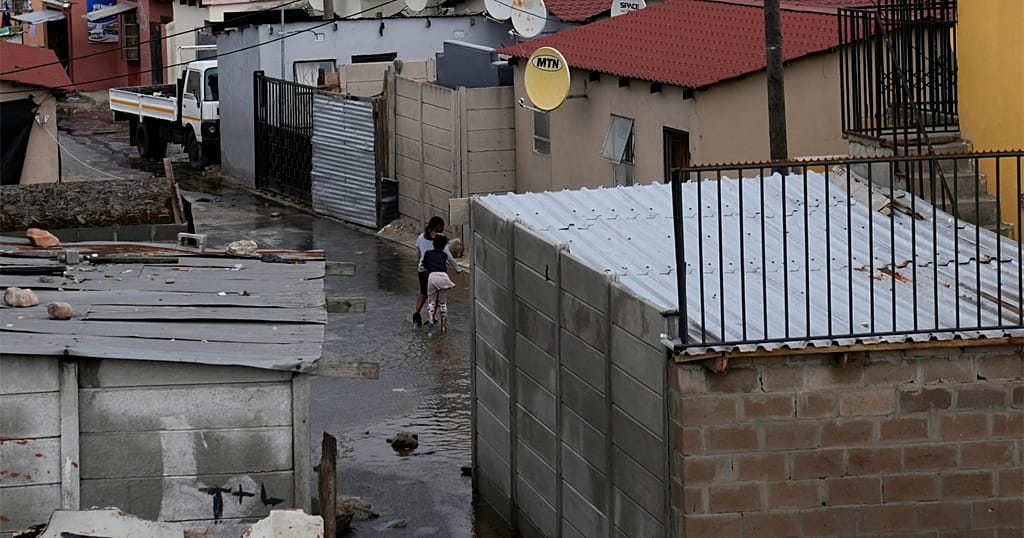
A surge in rents across Cape Town’s inner city is deepening the housing crisis, forcing many low-income residents into illegally occupied and abandoned buildings as affordable housing slips further out of reach.
Driven in part by a tourism boom and the rapid expansion of short-term rentals such as Airbnb, property prices in the central business district have soared, pricing out workers who rely on living close to jobs and services. As a result, both privately owned and city-owned vacant buildings are increasingly being occupied by families with few alternatives.
Resident Fundisa Loza says living in the CBD is not a luxury but a necessity. “We want to be in the city so we don’t pay transport,” she explains, pointing to unreliable trains and costly buses that make commuting from distant townships risky for workers. “We get warnings and fines at work if we are late. We want peace of mind… We don’t have any other place to go. This is our home.”


![Africa’s economy to expand in 2026 despite risks [Business Africa]](https://images.euronews.com/articles/stories/09/59/18/91/1024x538_cmsv2_a090e29c-4edc-5b24-a887-6dea31e3ec4e-9591891.jpg "Africa’s economy to expand in 2026 despite risks [Business Africa]")
Parents say the issue goes beyond convenience to the future of their children. Nelisa Zokoza argues that access to basic services matters. “At least the CBD has got enough service delivery for our future children,” she says. “I am standing here as a parent that wants to fix things with my children.”
Activists are calling on the city to prioritize affordable housing near economic hubs. “If the city will build houses near where we work, it will be better,” says Zukiswa Nomlungisi Qezo, noting that transport costs consume much of household income.
As Cape Town’s popularity grows, residents warn that without urgent housing solutions, inequality in the city will only deepen.
Source: Africanews