Beijing’s statement on Tuesday did not specify which items fall under its new curbs. Around 1,100 items are on China’s export control list for dual-use goods and technologies, covering at least seven categories of medium and heavy rare earths such as samarium, gadolinium, terbium, dysprosium and lutetium.
Despite Japan’s efforts to diversify, China still supplies around 60 per cent of its imports of rare earths, macroeconomic research firm Capital Economics estimates.
“China has not provided a list of restricted items so at this stage it is impossible to say what impact the export curbs will have,” an official at the Japan External Trade Organisation told Reuters, asking not to be identified because they are not authorised to talk to the media.
A Japanese government source who spoke on condition that they weren’t identified called the move “symbolic”, adding that: “Until now, China has avoided doing things that would seriously hurt Japan’s business community. By taking this step and causing trouble for Japanese industry, they may be aiming to fuel domestic criticism of Takaichi.”

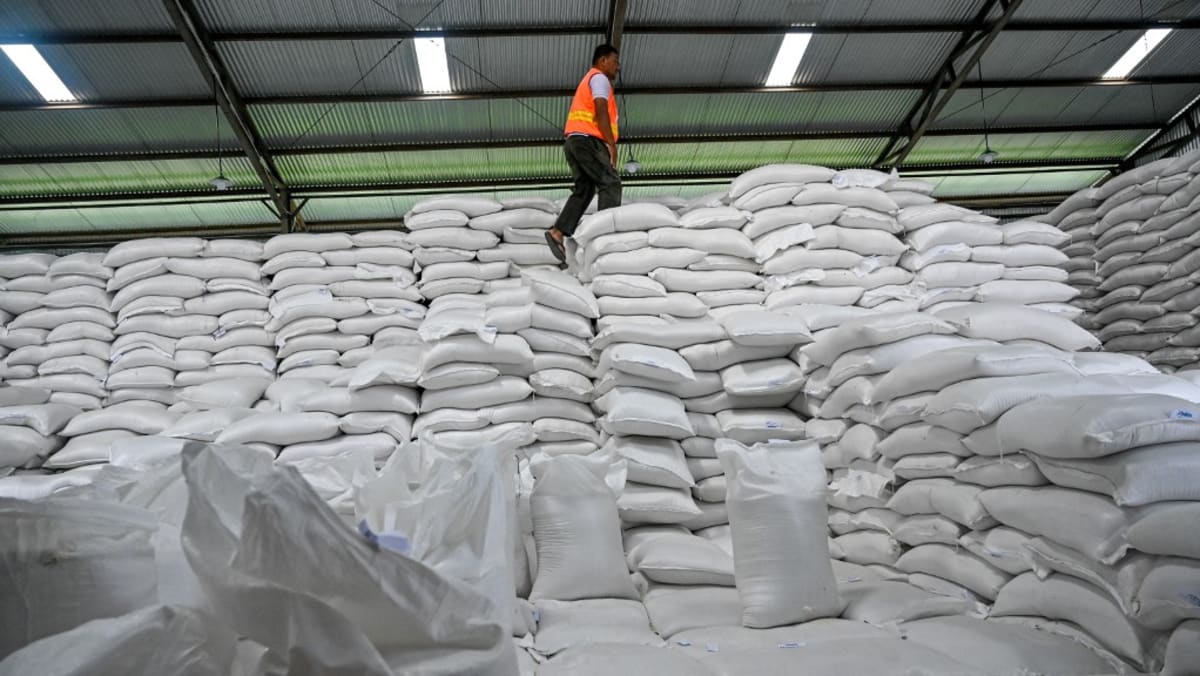
China throttled exports of rare earths to Japan during a previous diplomatic dispute more than a decade ago. So far, China customs data have shown no sign of a decline in rare earth exports to Japan, though the data is released with some delay. In November, the latest month for which there was data, exports grew 35 per cent to 305 metric tonnes, the highest tally last year.
FEARS OF RETALIATION
A Chinese state-affiliated social media blog wrote earlier on Tuesday that China was considering tightening approvals of rare earth export licences to Japan due to Tokyo’s “recent egregious behaviour”, citing sources with knowledge of the matter.
Some analysts and Japanese firms had feared that China would retaliate by restricting exports of rare earths, essential for Japan’s automotive sector, soon after the diplomatic dispute broke out in November.
One Japanese private sector source in Beijing told Reuters on condition of anonymity that it still took a “considerable amount of time” to obtain rare earth export license approvals as of late November, and that many other Japanese firms were in similar positions. But it was unclear whether that was a direct consequence of the diplomatic dispute, they cautioned.
Source: CNA