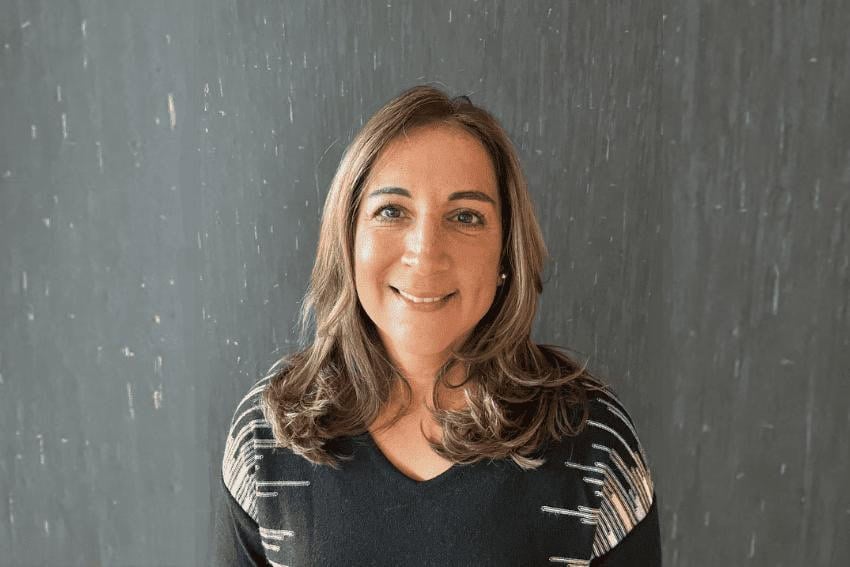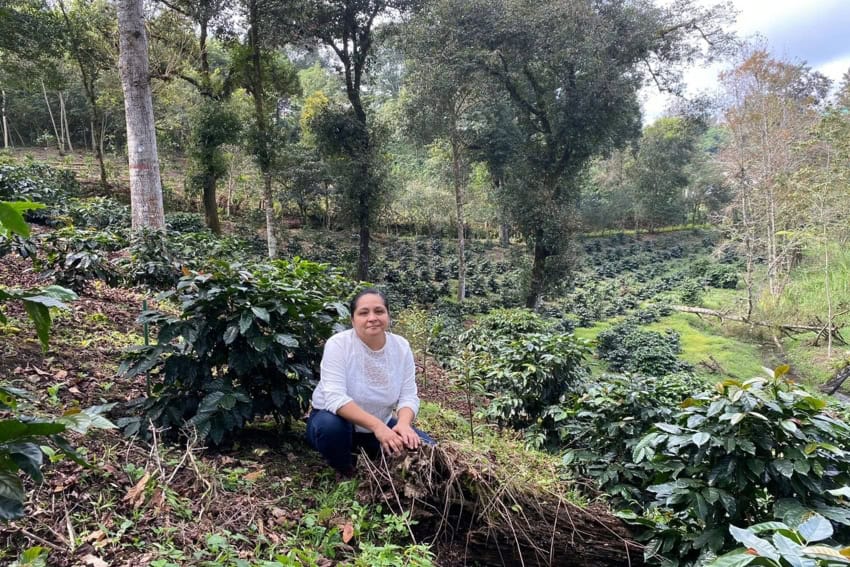
Thirty years ago, Julia Ortega swore she would never work in the family business as a coffee producer. Today, she runs Mexico’s first carbon-neutral coffee farm, Finca Los Pinos, on her 17-acre estate in the Sierra Norte de Puebla. What started as a reluctant inheritance has become a globally exported specialty coffee operation rooted in sustainability.
A hesitant start on the farm
Ortega was born into a coffee-farming family spanning four generations. She watched her parents work tirelessly while volatile commodity prices eroded their income.
“The producer is always the one most affected by prices,” she says. “I saw my parents work so hard, and it didn’t seem profitable.”
Determined to avoid that path, she pursued business administration and cultural tourism and built her career in an office. “I spent my whole life in an office. I just couldn’t see myself in the countryside,” she recalls.


Her outlook didn’t shift when her parents gifted her a small plot of unused land.
“Instead of feeling excited, it felt like a burden. I thought: What on earth am I going to do with this?”
Discovering her roots
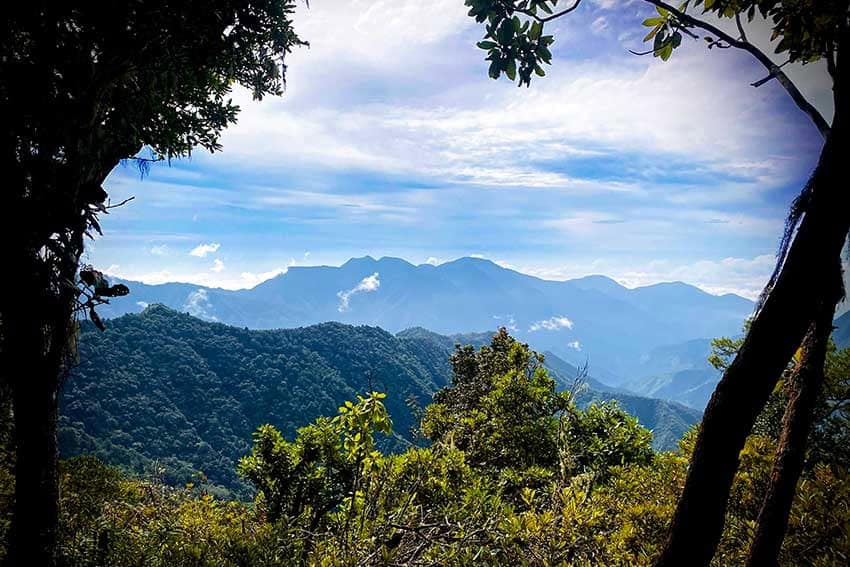
For years, the land sat untouched — until a quiet walk among the trees changed everything.
“Walking in the countryside connects you to something deeper,” she says. “You hear birdsong, rustling leaves. That’s when I realized, this is where I come from.”
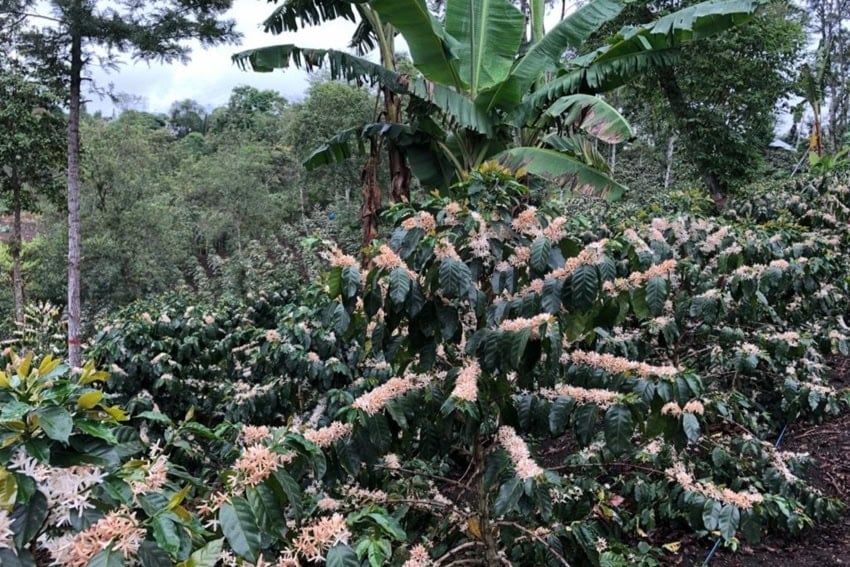
She decided to grow organic coffee, combining her love of nature with a desire to protect it. At the time, organic coffee was a niche market in Mexico and widely viewed as unprofitable.
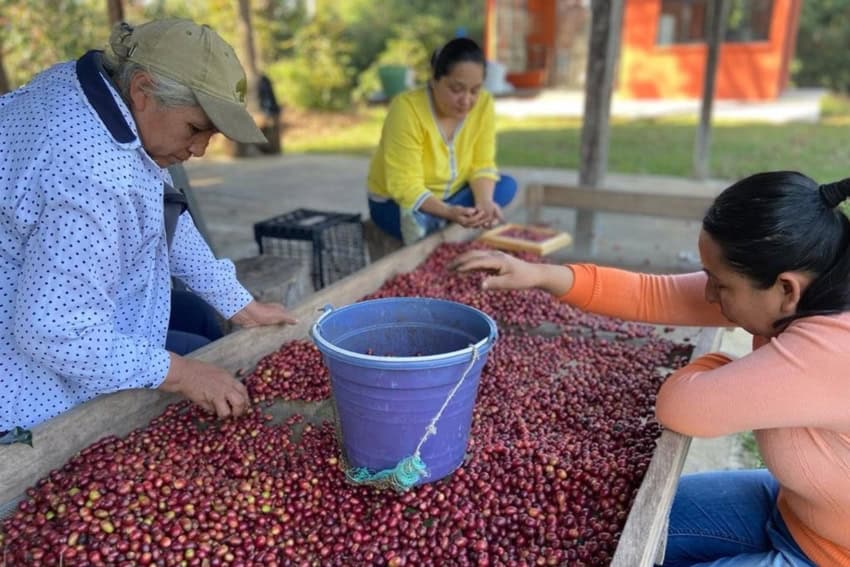
“Everyone told me it wouldn’t work,” she recalls. “But the truth is, I’m stubborn. I didn’t listen.”
Today, Finca Los Pinos has been carbon-neutral for six years, having evolved from a small experiment into a benchmark for sustainable coffee production in Mexico.
Turning setbacks into opportunities
By the mid-2000s, Ortega faced serious obstacles. Running the farm alone had taken a mental toll, and coffee rust, a devastating fungus, was beginning to sweep through her plants.
“I told my husband, ‘I don’t think we can survive,’” she says. The two had deliberately kept their careers separate — until the crisis forced a change.
Her husband, an agronomist, proposed a bold solution: replanting the entire farm with rust-resistant varieties. It required removing healthy trees and making a major financial gamble.
“I thought it would bankrupt us,” Ortega says. “But it was the best decision we could have made.”
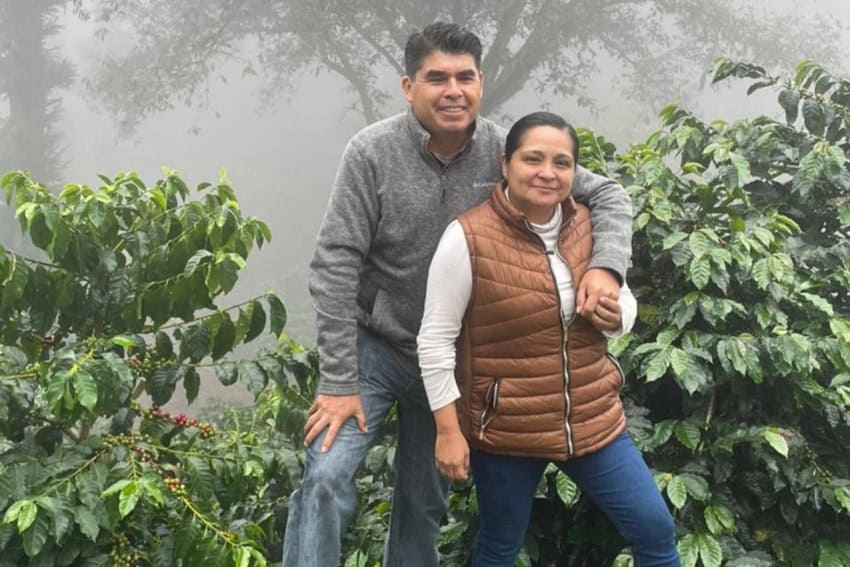
His agricultural expertise, paired with her business instincts, transformed the farm’s future.
Every bean counts
Today, Finca Los Pinos produces specialty-grade organic coffee, yielding about 50 bags of 70 kilograms each (154 pounds) each harvest. But Ortega doesn’t stop at beans.
“The word ‘waste’ doesn’t exist on this farm.”
Coffee pulp becomes compost or protein-rich flour; spent grounds go into handmade soaps and exfoliants; premium beans are turned into coffee liqueur.
The farm also offers low-impact agro-tourism, developed with the support of Mexico’s National Commission for Biodiversity, giving visitors a close look at sustainable coffee production in a protected region.
Innovation born from experience
For Ortega, coffee farming is both a science and an art. Her hands-on approach includes a method she jokingly calls the “dentometer”—biting a bean lightly to test its readiness.
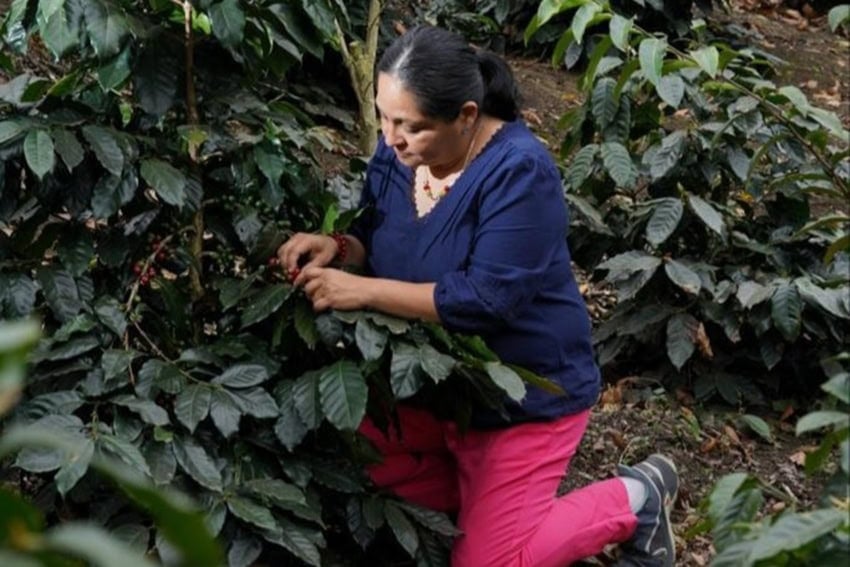
“When you touch the coffee, it sounds a certain way and feels a certain way,” she says. “You just know when it’s ready.”
One harvest, a processing machine broke down. Instead of losing the crop, she took a risk and tried drying whole coffee cherries, a method rarely used in Puebla’s humid climate.
The process took 25 days. The result: a high-scoring batch with exceptional flavor.
“People couldn’t believe it,” she laughs. “They told me, ‘We hope your machine breaks more often!’ Sometimes the best innovations come from crisis.”
From Puebla to the world
What began as a family plot now exports 60–70% of its coffee to Denmark, Japan, the United States, Saudi Arabia and the United Kingdom.
In Mexico, Ortega sells to large roasters, Michelin-starred restaurants and small local micro-roasters.
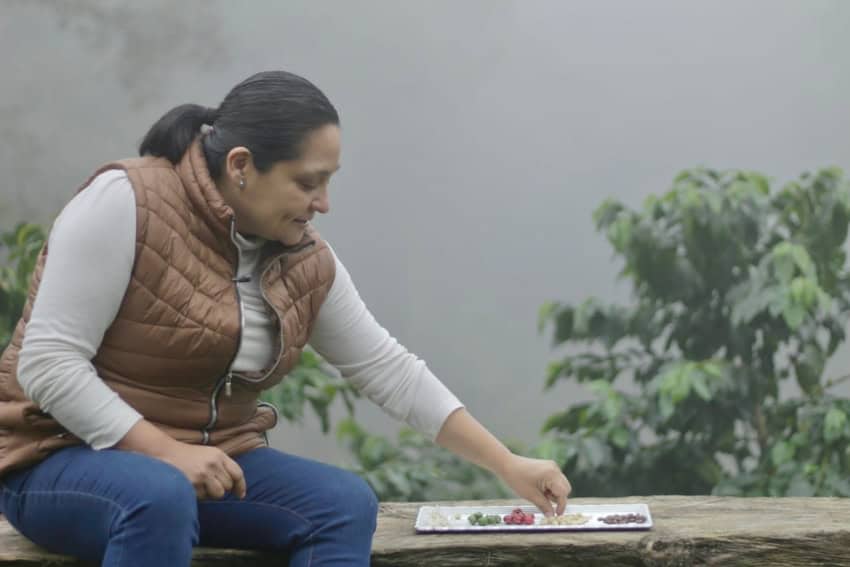
“They put all their passion into it,” she says. “Sometimes they care more about quality than the big companies because they’re face-to-face with their customers.”
The farm is certified organic in Mexico, the U.S. and Canada — a costly but crucial step, Ortega notes, to maintain consumer trust amid widespread food fraud concerns.
Labor shortages in rural Mexico
Finca Los Pinos employs 10 permanent staff, expanding to 15–20 during harvest. But Ortega says finding agricultural workers is increasingly difficult.
“The dream for many day laborers is to work in the United States,” she explains. “They go north to work in vineyards and strawberry fields where foreign companies pay better.”
Her concern extends far beyond her farm: “Without agriculture, we have no food. It’s that simple.”
Life rooted in the countryside
Ortega’s day begins at 5:30 a.m. with a breakfast of café con pan before moving between administrative tasks and long hours in the field. During harvest, she often finishes after sunset.
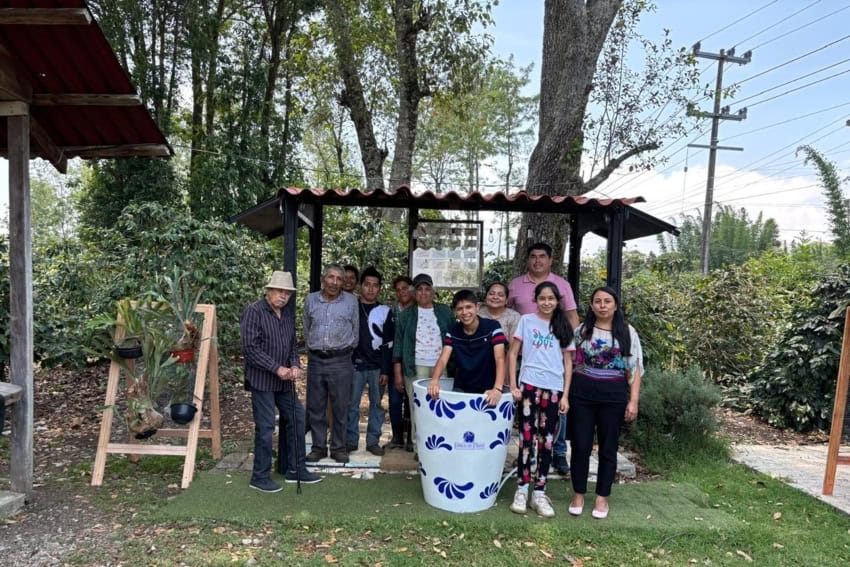
“When you work on a farm, there are no office hours,” she says. “Nature binds you. It roots you in place.”
When her husband once suggested moving to a larger city, she refused. “Leaving the countryside would be leaving a part of myself.”
A legacy grounded in impact
For Ortega, success is defined not by profit, but by influence and community impact. Neighboring farms have adopted her conservation practices, and visitors often leave inspired.
On one tour, a woman stepped forward and asked, “Do you remember me?” She turned out to be Ortega’s childhood teacher.
“She told me, ‘Julia, you always wanted to be a superhero and help the planet. Maybe you’re not Wonder Woman, but you’re doing exactly what you were meant to do.’”
Moments like that remind Ortega why she does this work: One farm, one community, and one coffee bean at a time.
Irena Vélez is a journalist at Wikifarmer.com, based in Seville, Spain. She holds a Bachelor’s in Journalism Honours from Carleton University in Ottawa, Canada, and has a background in agricultural reporting. She writes research-based articles on sustainable farming, crop management and rural entrepreneurship, helping make agricultural knowledge accessible to farmers worldwide.
For readers looking to dive deeper into the protected agriculture sector, Wikifarmer offers expert insights, market data, and crop trends. Wikifarmer empowers farmers, agribusiness professionals, and industry observers through four key pillars: the Wikifarmer Marketplace, connecting producers with buyers around the world; the Wikifarmer Library, a free knowledge hub with thousands of expert-authored articles on crops, technologies and best practices; the Wikifarmer Academy, offering online courses with certifications to enhance agricultural skills; and Wikifarmer Price Insights, providing real-time market intelligence on key commodities. By combining practical expertise with up-to-date data, Wikifarmer helps stakeholders navigate the complexities of modern agriculture, making it an essential resource for anyone interested in Mexico’s booming greenhouse and horticulture industry.
Source: Mexico News Daily