WHAT FAMILIES NEED
To be sure, a return to autism subtypes would bring challenges and edge cases. The spectrum is vast and nonlinear. There are children who have little to no language at ages 2 or 3 but end up speaking. (This is one reason the Lancet commission reserved the profound autism label for after the age of 8, when trajectories are more stable.) Some people would not qualify for a “profound” label but would still need intensive services. I have no desire to participate in the oppression Olympics or insinuate that Level 1 autism is “not disabled enough”.
But as autism advocacy increasingly represents the perspectives of high-functioning autistic people – those who can speak at conferences and write policy papers, the needs of families like mine have been sidelined.
Some disability activists with autism and low support needs have argued against adult guardianship, the legal process that allows families to retain oversight of their adult children, claiming it violates autonomy. This stance feels out of touch to parents who spend thousands on special beds designed to keep children from wandering off in the middle of the night and who live with the grim statistics on autistic children lost to traffic accidents or drowning after straying from caregivers.
Some advocacy groups oppose programmes that allow employers to pay some workers with disabilities below minimum wage, arguing that they are discriminatory and ableist. But there is a subset of the disabled population that would not be hired in a traditional employment setting; these programmes, which build confidence and skills, are an important lifeline.


I know that Mr Trump’s comments were downright dangerous when it came to autism and vaccines. I know that Department of Education has cancelled research grants focused on students with disabilities transitioning to adulthood, that the National Institutes of Health and the Centers for Disease Control and Prevention have been gutted, and Medicaid funding is being cut, all because of this administration.
But launching “an unprecedented all-agency effort to identify the causes of autism,” as Mr Kennedy has promised, is what many parents of profoundly autistic children want to hear. Calls for “awareness and inclusion” can feel like the equivalent of “thoughts and prayers” when your child is told they are “too severe” for the third school you’ve tried to enrol them in, even though it specialises in autism, as happened to a friend of mine. It is a difficult life for both child and caregiver, and it feels invisible.
Recognising profound autism as a distinct diagnosis is not about taking away from those who can advocate for themselves; it’s about making sure that the most stigmatised version of this diagnosis isn’t erased in favour of a more palatable version. I believe my child deserves to be accepted for who she is and seen as inherently valuable, and I also believe scientists should try to learn why she stopped talking before her second birthday, and what treatments would make her life better.
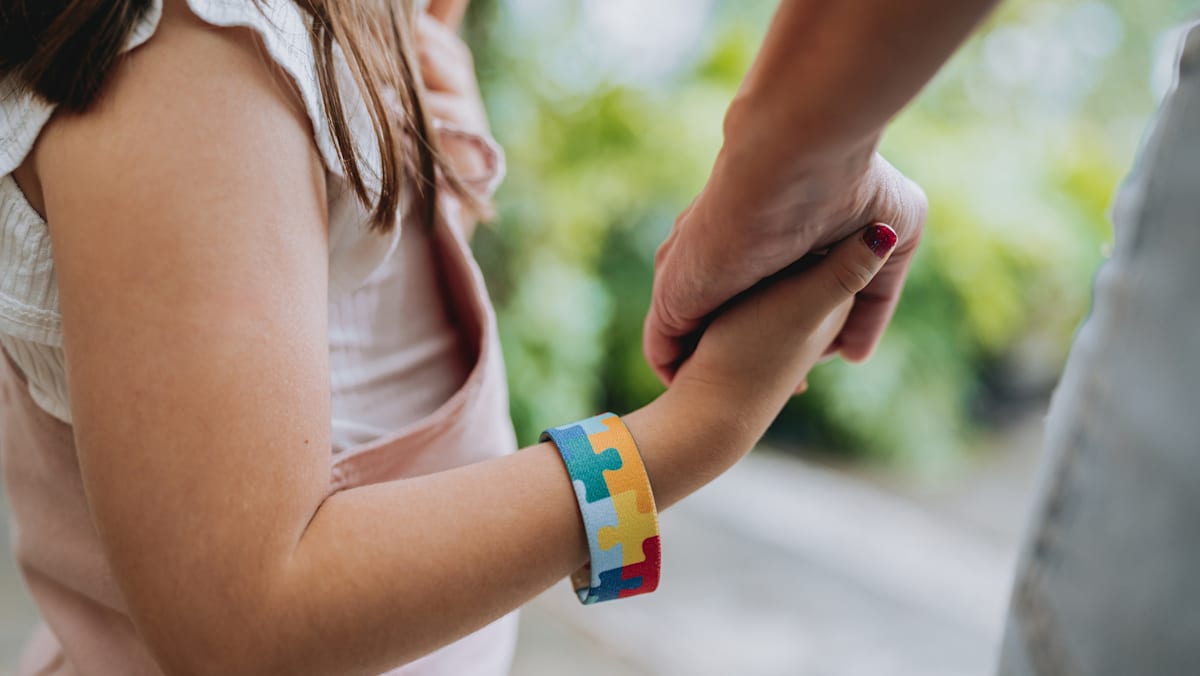
Until then, I will make my best guess for a costume, take her trick-or-treating and give her a pumpkin bucket to hold her candy, blue for autism awareness. I will explain to the neighbours that she is autistic and can’t say trick or treat, but that she loves Reese’s Cups.
The article originally appeared in The New York Times.
Source: CNA