Commentary: Dementia at just 24-years-old – how a UK man may help researchers understand the disease

Dementia currently has no cure. Once symptoms begin, there’s no way to stop them and treatments which slow symptoms have limited effects. Part of the reason for this is because the brain is vastly complex and still not entirely understood. Every donated brain helps close that gap.
Brains affected by very early dementia are exceptionally rare. Each donated brain allows scientists to study, in fine detail, what went wrong at the level of cells and proteins. Although brain scans can tell us what brain parts have been lost, only donated tissue can reveal why.
Researchers can examine which proteins accumulated, which cell types were most vulnerable and how inflammation and immune responses may have contributed to the damage. That knowledge feeds directly into efforts to develop treatments that slow, stop or even prevent dementia.
The family’s decision to allow scientists to study tissue from such a rare, early-onset case of frontotemporal dementia could help unlock secrets that may guide treatments for generations to come.



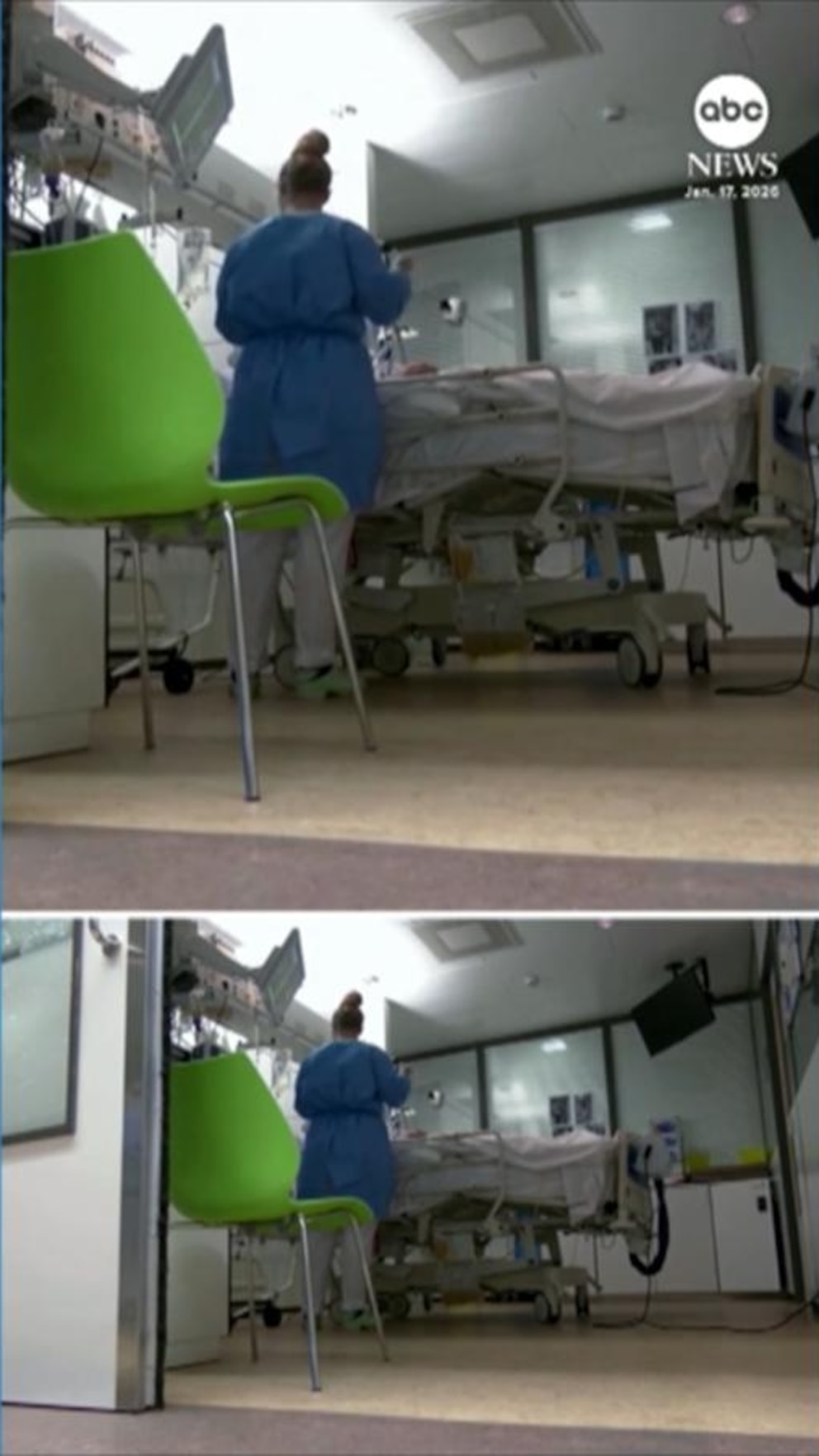
As a neuroscientist, I have been asked how something like this can happen to someone so young. The honest answer is that we are only beginning to understand the biology that makes some brains vulnerable from the very start.
Cases like this underline why sustained investment in brain research, and the generosity of people willing to donate tissue, matters so deeply. The 24-year-old’s story is a reminder that dementia is not a single disease, and not a problem confined to old age. Understanding why it happened will be one small step toward making sure it does not happen again.
Rahul Sidhu is a PhD candidate in neuroscience at the University of Sheffield. This commentary first appeared on The Conversation.
Source: CNA