At that point, and for the first time since the early Cold War, nothing will be in place to restrain the world’s major nuclear powers from a new arms race.
In fact, several such races are already underway: China and North Korea are adding to their arsenals as fast as they can, and all nine countries with nukes are “modernising” their weapons.
In the US that means upgrading warheads as well as the bombers, submarines and missiles to deliver them – at a cost of US$1.7 trillion over 30 years, or US$75 billion a year this decade, although the costs and the timelines keep expanding with every estimate.
The risk of nuclear war is rising even faster than these numbers suggest, because countries are also tweaking the types of nukes they have and the strategies for using them.


Russia in particular is building more “tactical” or “theatre” weapons; it has an edge of about 10-1 over the US in that category, which is not covered by New START. The US is also considering giving these limited nukes a greater role again.
Tactical nukes are loosely defined as weapons that are meant as a last resort to prevent defeat in battle. (By contrast, strategic nukes are built to destroy an enemy’s homeland in retaliation for an incoming nuclear strike.)
Tactical weapons can still pack several Hiroshimas in explosive power. But because they have lower “yields” than the strategic kind, they’re considered more usable.
Even so, war games suggest that any use, no matter how limited, would immediately lead to uncontrollable escalation, and possibly Armageddon.
SPHERES OF INFLUENCE
Add to these trends a recent pattern of reckless taboo-breaking.
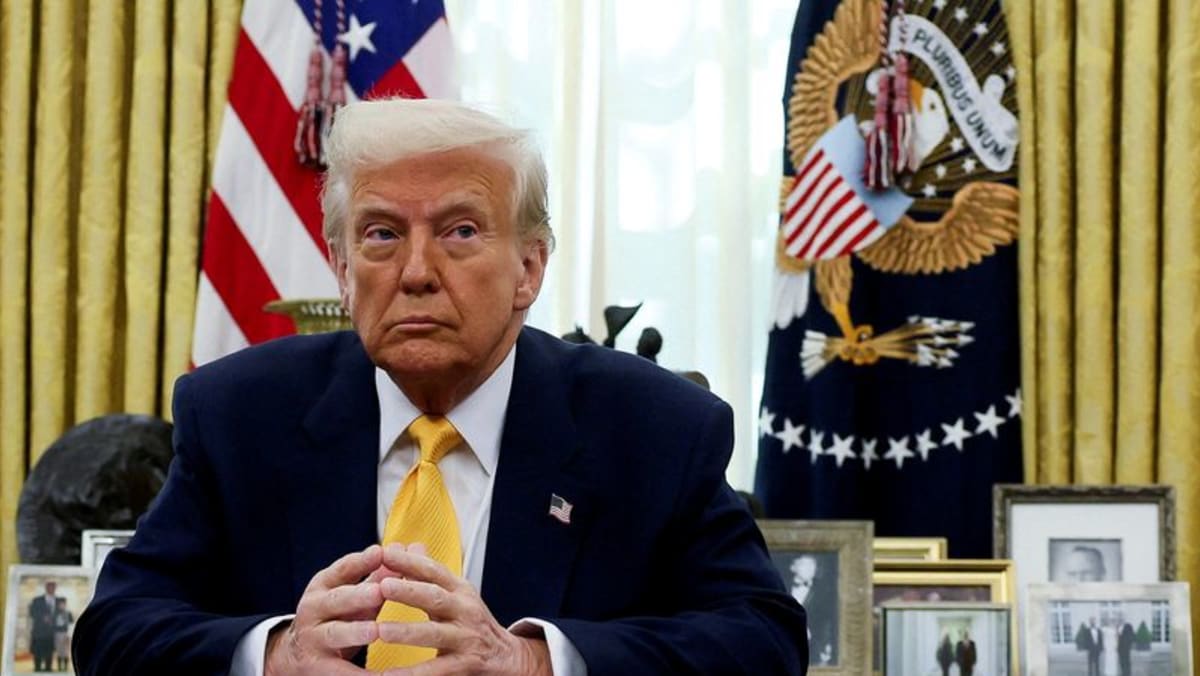
The leaders of Russia and North Korea keep rattling their atomic sabres. And members of Trump’s first administration want to resume testing live nuclear bombs.
Once you factor in the risk of miscalculation by someone somewhere under pressure, or the imponderable role of artificial intelligence in nuclear decision-making, it becomes clear that the world is entering the greatest danger since the Cuban Missile Crisis.
Source: CNA