Commentary: How Zohran Mamdani’s ‘talent for listening’ won over voters in New York mayoral election

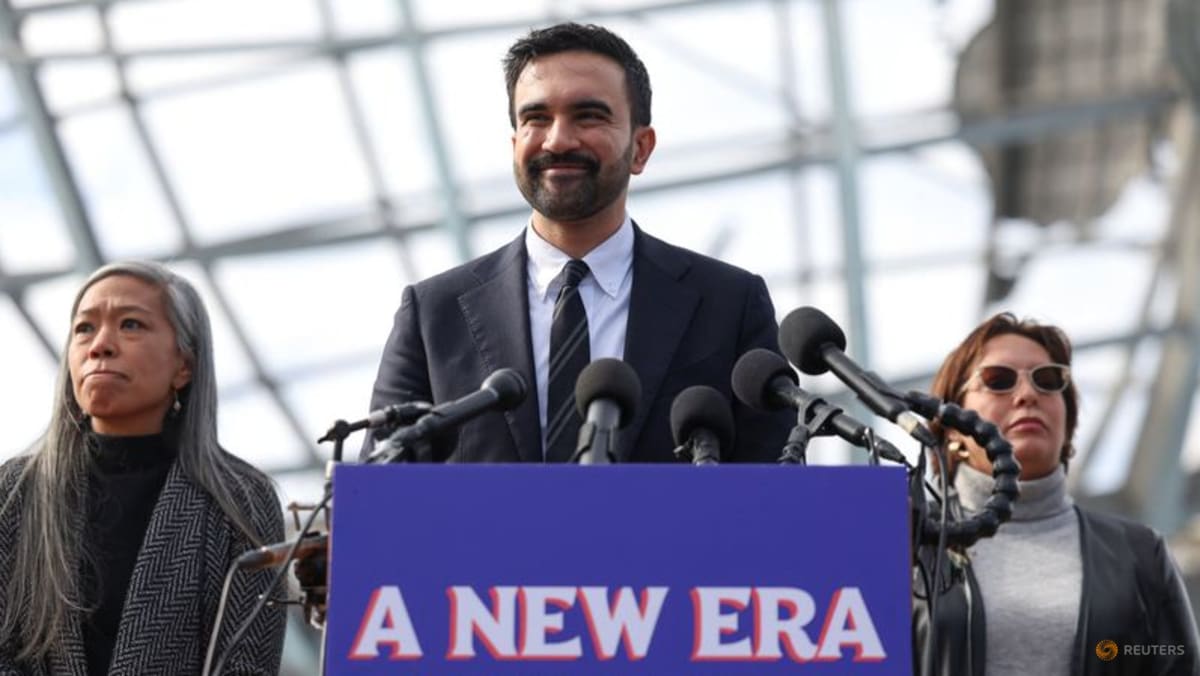
TALKING TO VOTERS
Democratic theorists are likely to celebrate Mamdani’s approach. Many philosophers embrace what is known as the “deliberative theory of democracy”, which argues that talking – as opposed to voting – is the central democratic institution.
These people suggest that politicians should talk to a diverse range of voters respectfully about their decisions. Listening to diverse perspectives improves policy because it requires leaders to consider a range of ideas and arguments, relying less on their own gut intuitions.
As a respectful and inclusive political style, it can also help citizens feel heard and challenge the idea that politicians are interested only in power and will say whatever it takes to win. A more deliberative kind of responsiveness to voters can therefore increase political legitimacy and trust.
Political scientists are likely to point out that Mamdani has an important strategic reason for his deliberative political style. New York City uses a system of ranked choice voting, or “the alternative vote”, which asks voters to rank candidates in order of their preference rather than choosing just one.

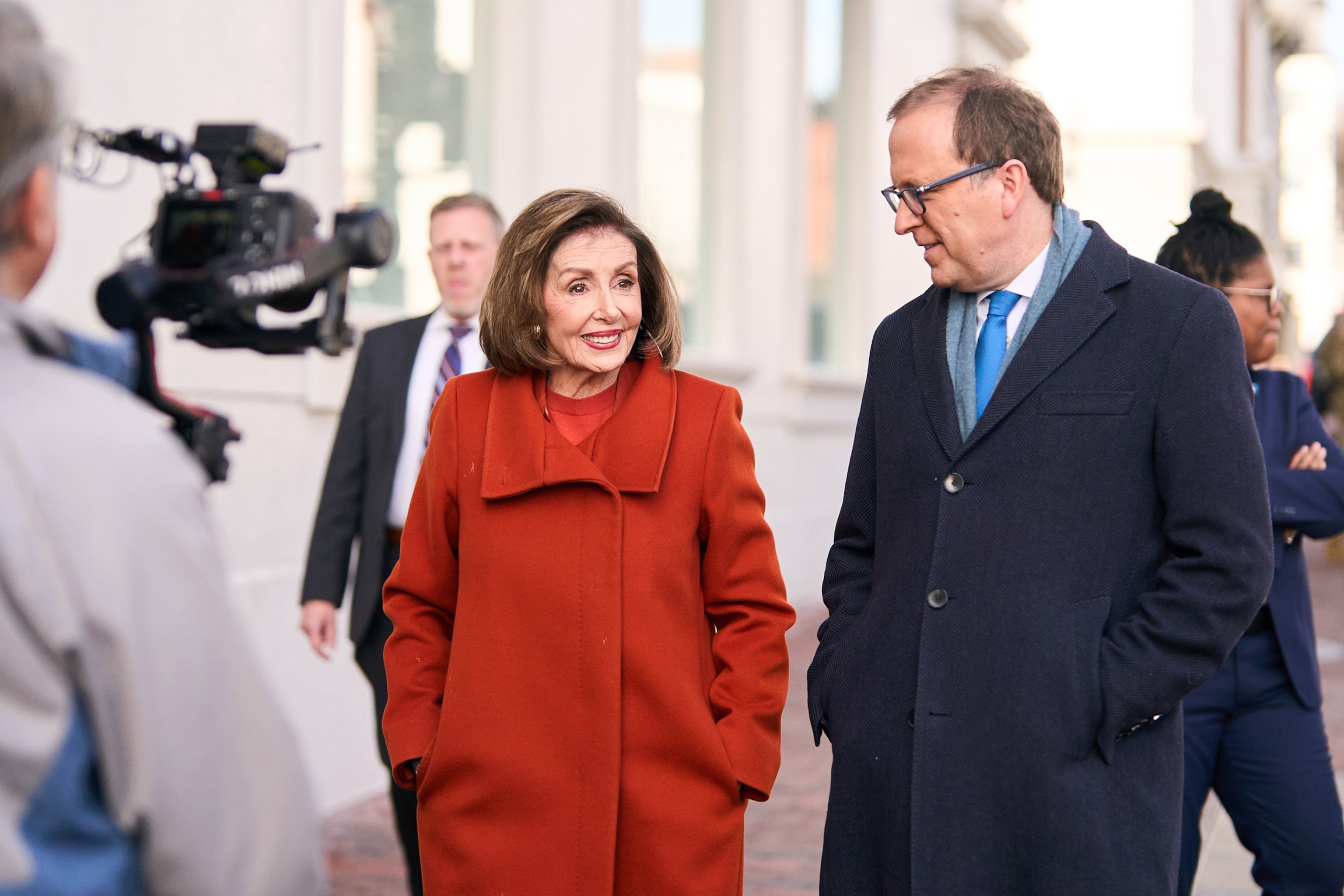

This encourages politicians to find policy proposals that are supported by large majorities, such as taxing millionaires to pay for free childcare, and to communicate respectfully with people of all political persuasions in the hope they might win their second-preference votes.
Larry Diamond, a leading American democracy expert, has called ranked choice voting the “Archimedean lever of change” for solving the deep polarisation currently affecting US politics. This is because it penalises candidates who rely on divisive rhetoric to appeal to a passionate base of supporters.
They are unlikely to win second-preference votes from people whose first preference is for one of their rivals. Conversely, ranked choice voting rewards politicians who try to bridge political divides with respectful and inclusive campaigning.
Source: CNA