PREPAREDNESS REQUIRES MORE THAN JUST WORDS
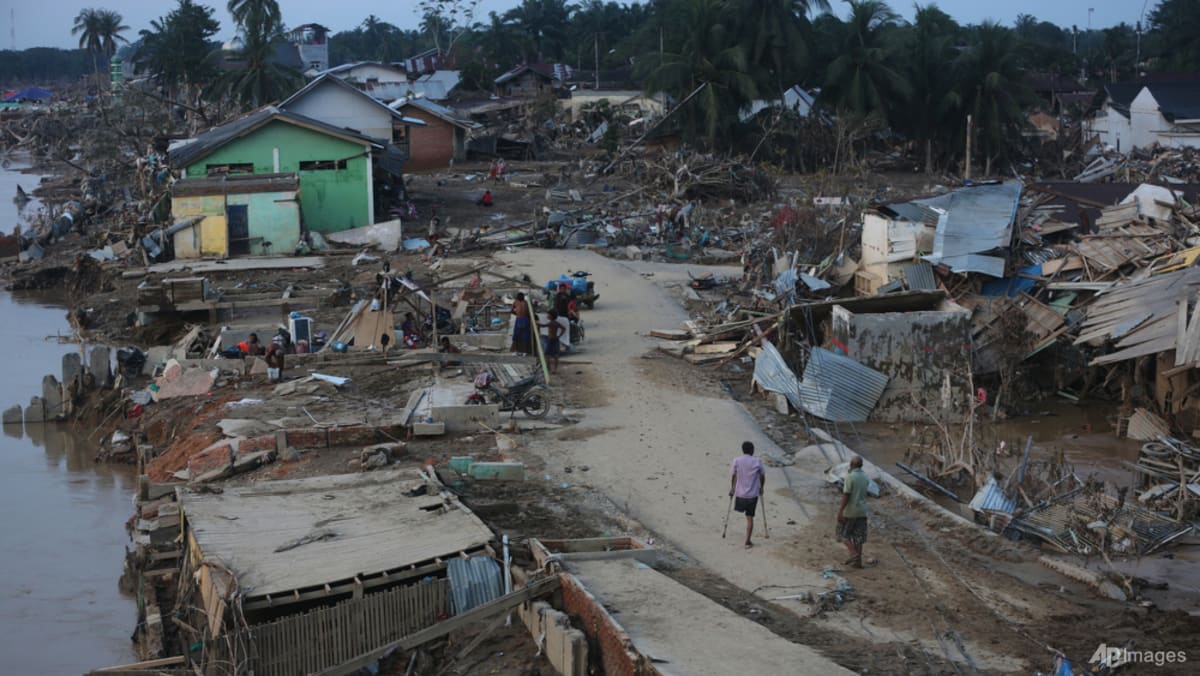
Indonesia is often called a “disaster supermarket”, where earthquakes, tsunamis, volcanic eruptions, floods, landslides and forest fires recur due to its position at the junction of three tectonic plates in the Pacific Ring of Fire.
These risks are worsened by the wet tropical climate, monsoon cycles, La Nina events, and environmental degradation, all of which increase community vulnerability. Physical hazards, social vulnerability and dense populations in exposed areas make Indonesia one of the world’s highest-risk countries for disasters.
Prabowo has urged local governments to prepare for climate change. But real preparedness requires more than just words – it takes resources, political will and a whole lot of effort to enforce tough regulations against powerful interests such as the fossil fuel, timber and mining industries.
What Indonesia needs is more than just crisis management. It needs a whole new approach – one that breaks the destructive cycle of respond-forget-respond that has characterised disaster management for years.
Meanwhile, several ministries responsible for flood-resilient infrastructure and disaster response have seen their budgets slashed. Local governments, which depend on central government transfers, have also faced significant cuts. These financially starved councils are now expected to prioritise climate resilience, even as they struggle with basic services such as infrastructure.
Yet amid these fiscal constraints, Prabowo’s government continues to channel funds into his populist flagship programmes, such as free nutritious meals, leaving little room for meaningful investment in disaster prevention or climate adaptation.
Source: CNA