SINGAPORE: Looking back on 2025, good news seems scant: Tariffs and conflicts dominated headlines. But the past year revealed not only geopolitical fault lines, but also surprising resilience.
Tariffs did not bring about skyrocketing inflation or recession, though their full effects may yet unfold. As 2026 approaches, much hinges on how countries navigate the arena of big power competition, as well as contentious issues from border conflicts to AI regulation.
Leaders have their work cut out for them in 2026.
REVIVAL OF “AMERICA FIRST”
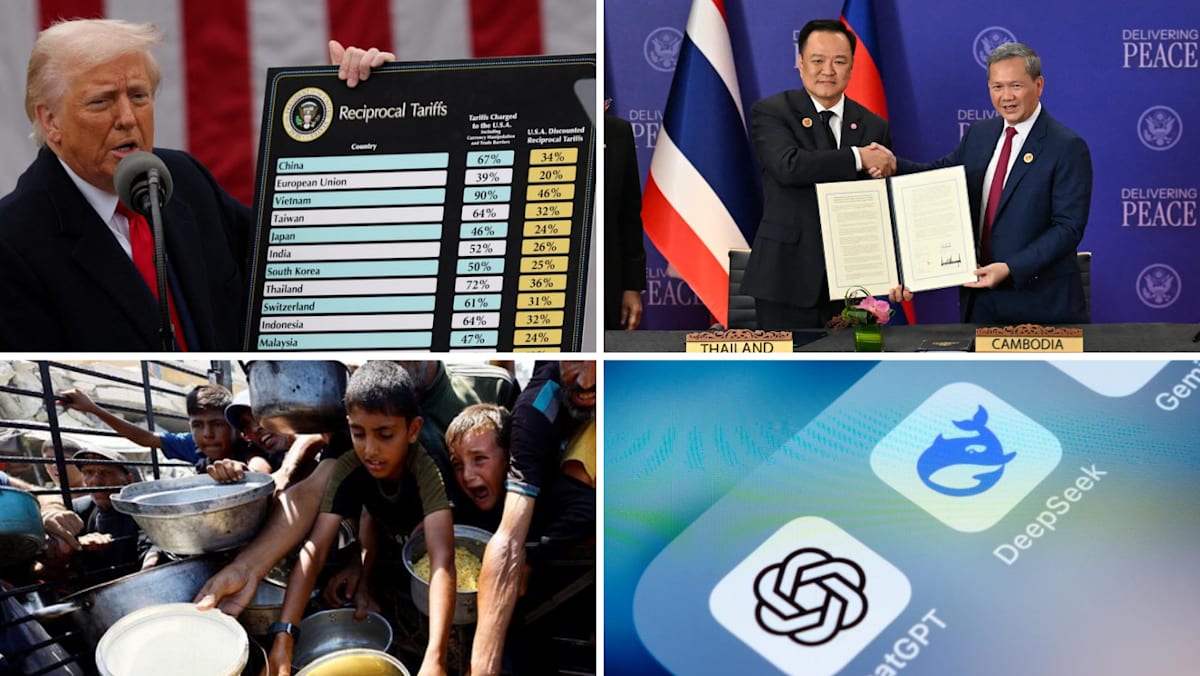
US President Donald Trump’s so-called Liberation Day (Apr 2) unleashed sweeping tariffs on friend and foe alike, upending global supply chains and forcing countries to negotiate trade deals.




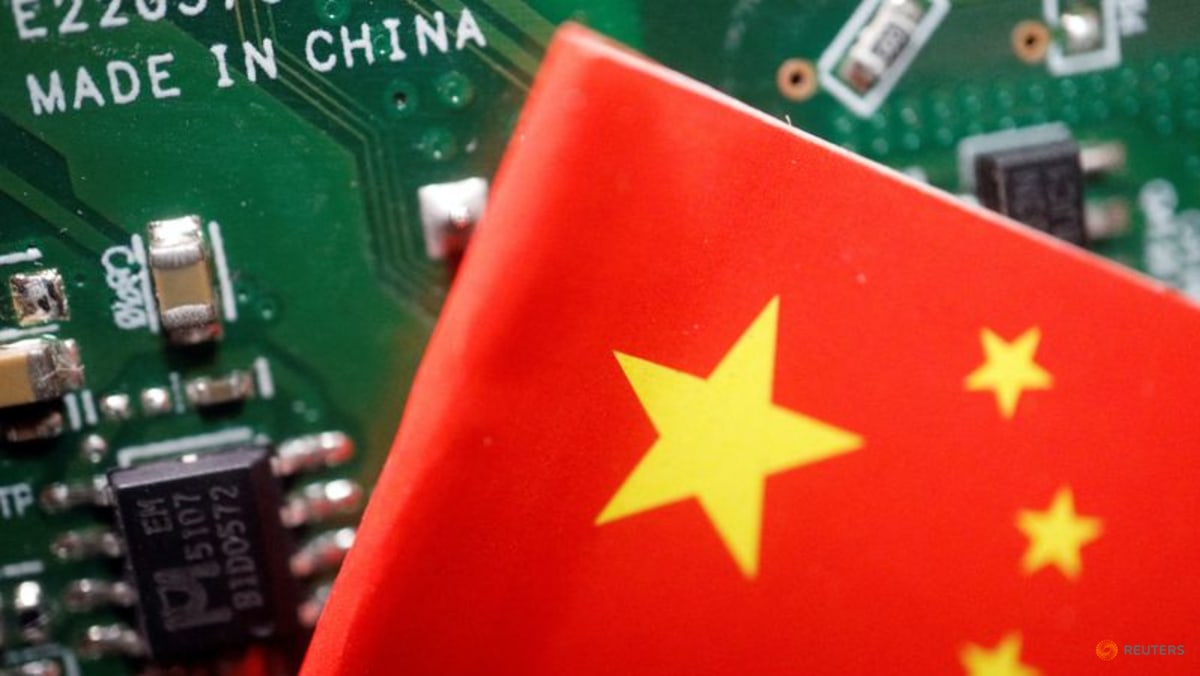
It triggered tit-for-tat measures between Beijing and Washington. At the peak of their standoff, sky-high tariffs meant that there was essentially a US-China trade embargo. Both countries have since climbed down and reached a delicate truce.
Who won? Observers said that China has not bent to Mr Trump’s bluster and identified where it has leverage, for instance, in rare earth exports.
Southeast Asian nations were among the worst hit by country-specific tariffs. Vietnam, Thailand, Indonesia and Malaysia have signed trade deals or at least come to some agreement.
Singapore was slapped with a baseline 10 per cent tariff, despite a free trade agreement and the US enjoying a trade surplus. US Ambassador to Singapore Dr Anjani Sinha raised eyebrows with his comment on Washington’s role in “making Singapore’s economic miracle possible”, which observers see as an expectation that American partners owe a debt that needs to be paid back.
Mr Trump’s tariffs are currently facing legal scrutiny in the US, but the threat of more tariffs, including sectoral levies on pharmaceuticals and semiconductors, is unlikely to go away in 2026.
Source: CNA