THE LEGACY OF ASPERGER’S
Dr Lorna Wing also introduced the term “Asperger’s syndrome” to the UK. Like the concept “profound autism”, using this term also divided autistic people into those with higher support needs and those with Asperger’s syndrome (lower support needs).
However, the label was drawn from the name of Austrian physician Hans Asperger, who in the 1940s identified a subgroup of children he called “autistic psychopaths”. During the Nazi period, Asperger was associated with a genocide of autistic people with higher support needs. For this reason, many autistic people don’t use the term any more, even if that is what they were originally diagnosed with.
Underlying all these debates is a deeper concern that dividing autistic people into categories, or arranging them on a spectrum, can slip into judgments about their value to society. In the most extreme form, such hierarchies risk dehumanising those with higher support needs. It’s something some autistic campaigners warn could fuel harmful political agendas.
In the worst case, those judged as less useful for society become vulnerable to future genocides. This may seem far-fetched, but the political direction in the US, for example, is very worrying to many autistic people.




Recently, US health secretary Robert F Kennedy Junior, said that he was going to “confront the nation’s (autism) epidemic”. So far, this has included strongly refuted claims that paracetamol use in pregnancy is linked to autism in children, urging pregnant women to avoid the painkiller.
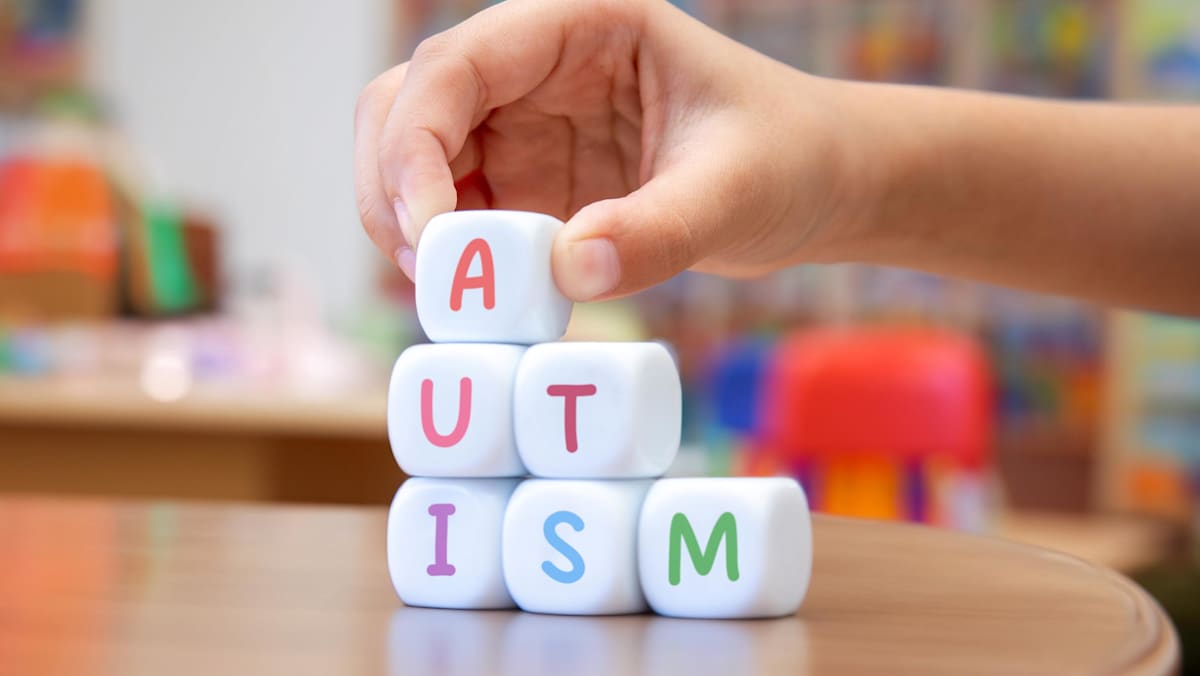
Often people use the term “autism spectrum” or “on the spectrum” as a way of avoiding saying that somebody is autistic. While this is often well-meaning, it is rooted in the idea that to be autistic is a negative thing. Many autistic adults prefer the words “autism” and “autistic” directly. Autism is not a scale of severity but a way of being. It’s a difference rather than a defect.
Language will never capture every nuance, but words shape how society treats autistic people. Moving away from the idea of a single spectrum could be a step towards recognising autism in all its diversity, and valuing autistic people as they are.
Aimee Grant is Associate Professor in Public Health and Wellcome Trust Career Development Fellow, Swansea University. This commentary first appeared on The Conversation.
Source: CNA