HUMANITARIAN CORRIDORS
The deal between the government and Israel was announced by Washington early on Saturday Damascus time.
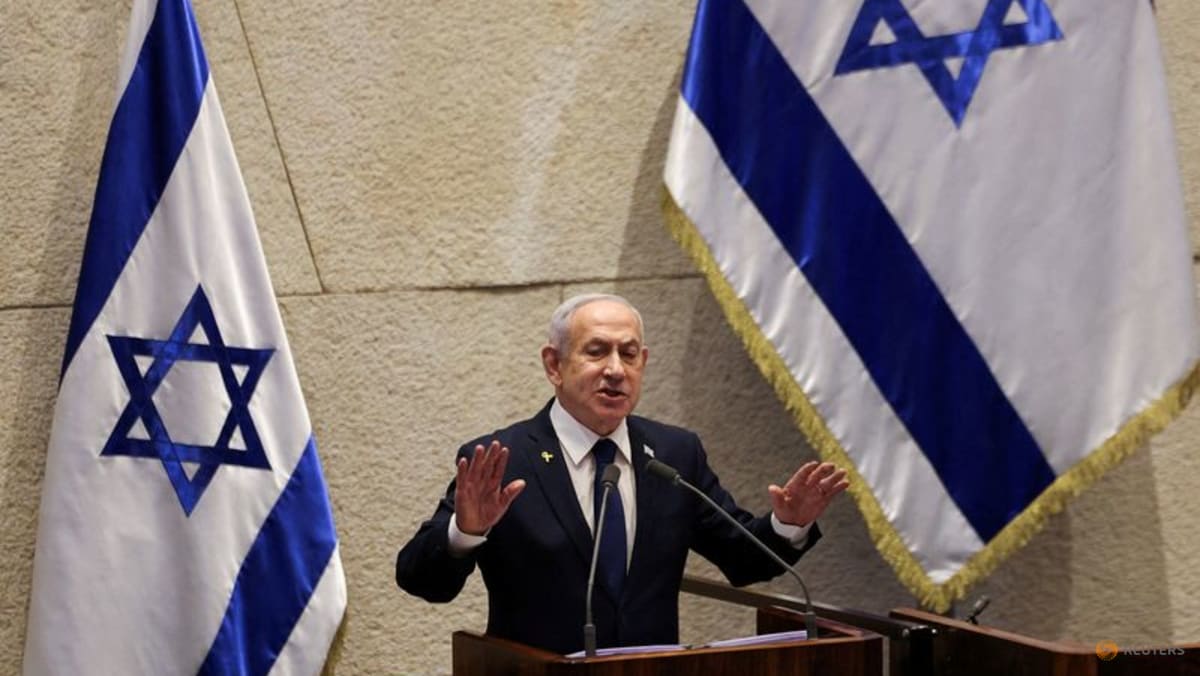
US pointman on Syria, Tom Barrack, said interim President Ahmed al-Sharaa and Israeli Prime Minister Benjamin Netanyahu “have agreed to a ceasefire” negotiated by the United States.
Barrack, who is the US ambassador to Ankara, said the deal had the backing of Turkey, a key supporter of Sharaa, as well as neighbouring Jordan.
“We call upon Druze, Bedouins and Sunnis to put down their weapons and together with other minorities build a new and united Syrian identity in peace and prosperity with its neighbours,” he wrote on X.

Barrack later held a meeting in Amman with the Syrian and Jordanian top diplomats, during which they “agreed on practical steps to support Syria in implementing the agreement”, the US envoy said in a later post on X.
The US administration, which alongside Turkey and Saudi Arabia, has forged ties with the president despite his past links with Al-Qaeda, was critical of its Israeli ally’s recent air strikes on Syria and had sought a way out for Sharaa’s government.
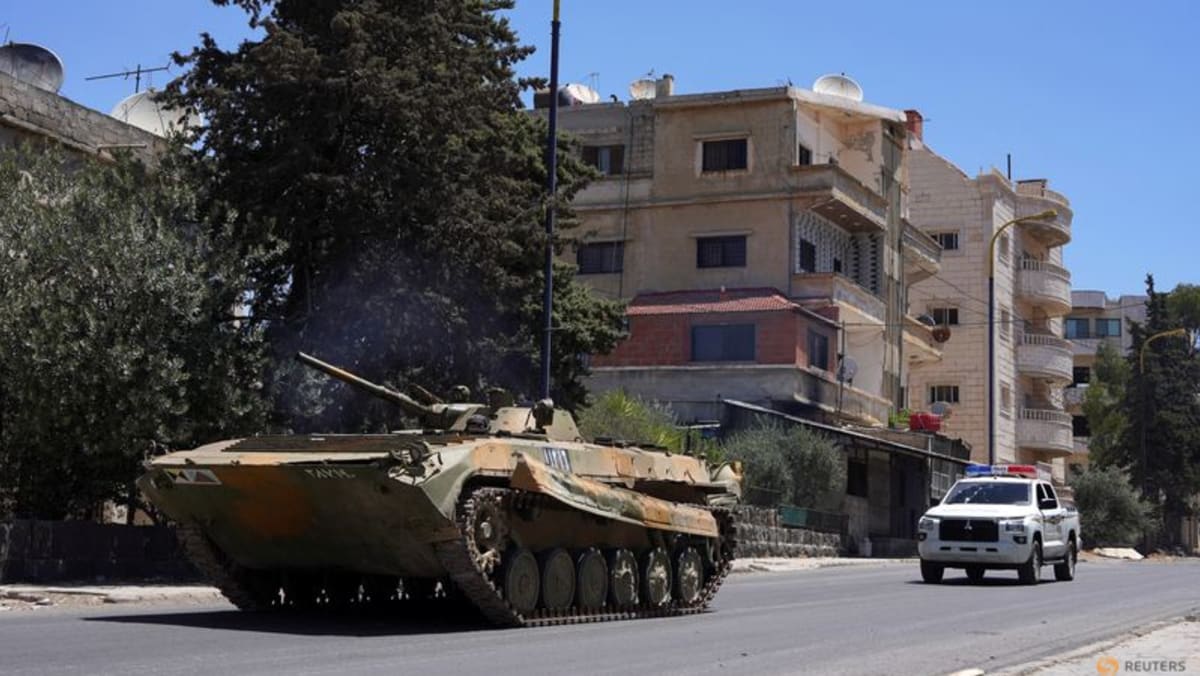
Sharaa followed up on the US announcement with a televised speech in which he announced an immediate ceasefire in Sweida and renewed his pledge to protect Syria’s ethnic and religious minorities.
“The Syrian state is committed to protecting all minorities and communities in the country … We condemn all crimes committed” in Sweida, he said.
The president paid tribute to the “important role played by the United States, which again showed its support for Syria in these difficult circumstances and its concern for the country’s stability”.
The European Union welcomed the deal between Syria and Israel, saying it had been “appalled” by the deadly sectarian violence of recent days. France urged all parties to “strictly adhere” to the ceasefire.
But Israel expressed deep scepticism about Sharaa’s renewed pledge to protect minorities, pointing to deadly violence against Alawites as well as Druze since he led the overthrow of longtime leader Bashar al-Assad in December.
In Sharaa’s Syria “it is very dangerous to be a member of a minority – Kurd, Druze, Alawite or Christian”, Foreign Minister Gideon Saar posted on X.
Source: CNA