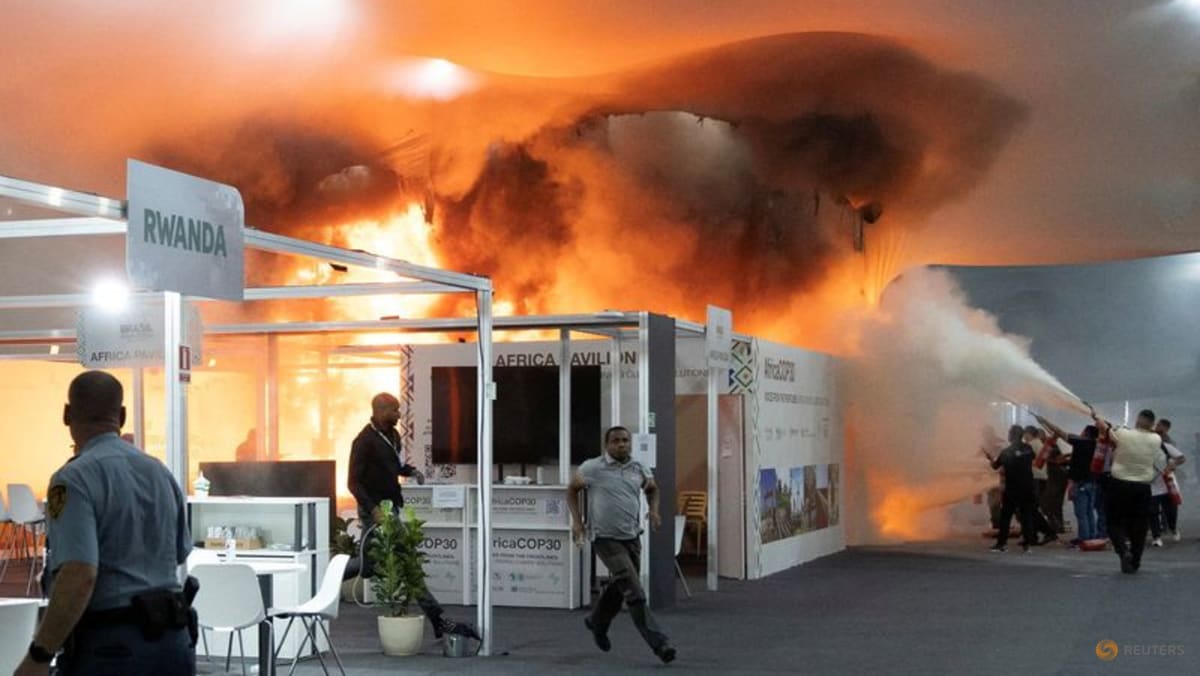
FOSSIL FUEL RIFT
The two-week negotiation has become hung up on two issues – the future of fossil fuels and the delivery of climate finance – that expose criss-crossing fault lines between negotiating blocs from rich Western countries, oil producers and smaller states most vulnerable to climate change.
Taking their cue from Brazil, dozens of countries, including both developed and developing nations, have mounted a push for a roadmap setting out how countries should transition away from fossil fuels.
Others, including some fossil fuel-producing nations, are resisting.
The COP28 climate summit in 2023 agreed, after protracted discussion, to a transition, but nations have not mapped out how – or when – it will happen. “I am perfectly convinced that a compromise is possible,” Guterres said.


ADAPTING TO CHANGE
Another major sticking point in the negotiations is a reluctance among some richer nations to guarantee financing to help poorer countries adapt to a changing climate, according to three sources involved in the talks.
Developing countries are already deeply mistrustful of a US$300 billion climate finance pledge made last year at the COP29 conference in Baku, particularly as the United States withdraws from climate cooperation under President Donald Trump. Some existing climate finance has been directed to strange projects, including some that are funnelling billions of dollars back to rich nations, according to previous Reuters reporting.
“Right now, our people are losing their lives and livelihoods from storms of unprecedented strength which are being caused by warming seas,” said Steven Victor, Minister of Agriculture, Fisheries and the Environment for the Pacific island nation of Palau.
“If we leave Belem without a transformative outcome on adaptation for the world’s most vulnerable, it will be a failure,” he said.
European officials have said they agree that adaptation financing is important, but that they were not authorised to agree to new targets.
Source: CNA