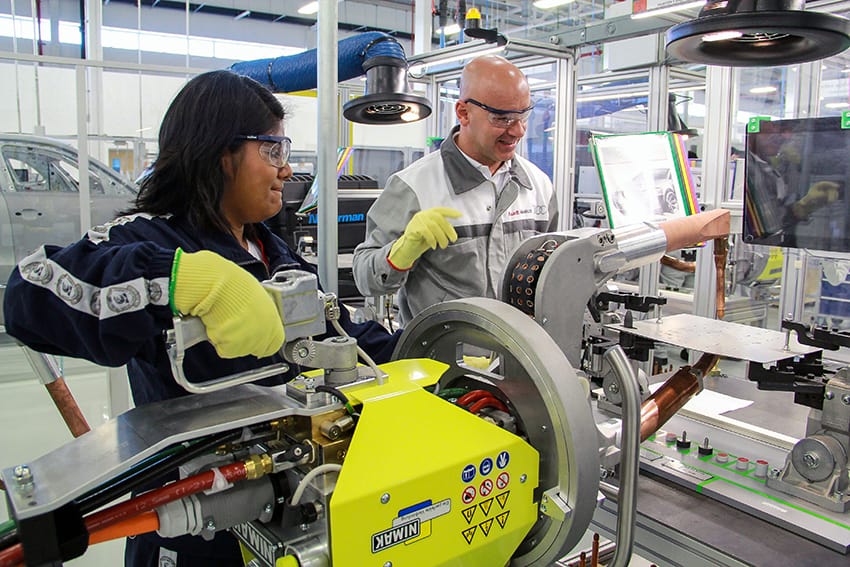
Foreign direct investment (FDI) reached a record high of almost US $33 billion in the first nine months of 2023, according to preliminary government data published this week.
The Economy Ministry (SE) reported Wednesday that FDI was $32.9 billion between January and September, a 30% increase compared to the same period of last year if spending on the Televisa-Univisión merger and the restructuring of Aeroméxico is excluded from the investment total.
If the investment on the merger and restructuring is included, the increase is 2.4%.
Foreign investment in Mexico has steadily trended upwards this century. FDI in the first three quarters of 2023 is over 200% higher than in the same period of 2006, 129% above the 2010 level, 52% higher than in 2015 and 40% above the 2020 level.

What contributed to Mexico’s FDI total in the first nine months of 2023?
To be precise, FDI in Mexico between January and September was $32.926 billion, according to the preliminary data. A total of just over $29 billion was reported after the first six months of the year, meaning that Q3 FDI was only about $4 billion.
The SE said that the investment in the first three quarters of 2023 came from 4,008 trust agreements, 2,539 Mexican companies backed by foreign companies and one foreign entity.
The majority of the FDI — 76% — came from reinvestment of profits, while 16% came from loans and payments between companies and 8% was new investment.
The SE said that the FDI total to the end of the third quarter is the “result of the confidence of foreign investors due to the good business environment and economic stability of the country.”
Which countries are the biggest investors in Mexico?
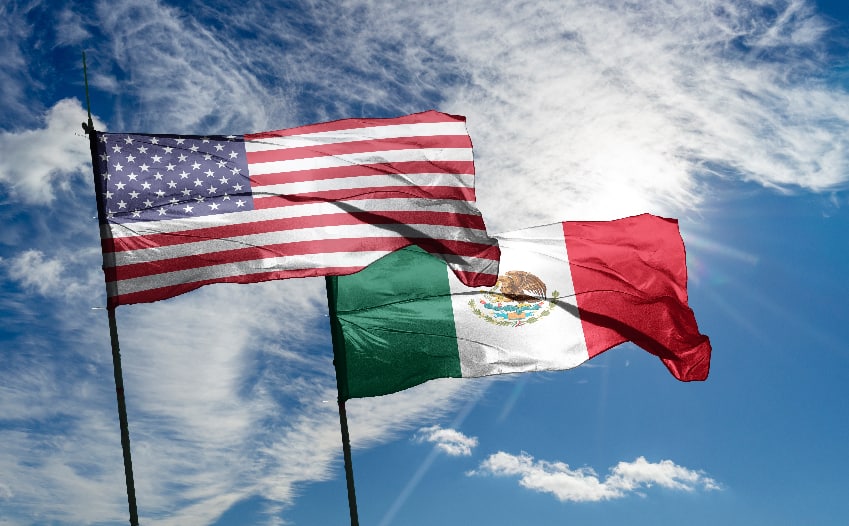
Just over two-fifths of the total FDI in Mexico in the first nine months of the year — 41% or $13.5 billion — came from the United States.
Spain ranked second, investing $3.7 billion or 11% of the FDI total in Mexico between January and September.
Ranking third to tenth for FDI in Mexico in the first three quarters of 2023 were:
- Germany, $2.8 billion, 9% of the FDI total.
- Argentina, $2.5 billion, 7%
- Japan, $2.4 billion, 7%
- Canada, $2.2 billion, 7%
- United Kingdom, $1 billion, 3%
- Netherlands, $600 million, 2%
- France, $500 milion, 1.5%
- Switzerland, $500 million, 1.5%
Which Mexican states attracted the most FDI?
The SE reported that 58% of FDI to the end of Q3 went to just five of Mexico’s 32 federal entities.
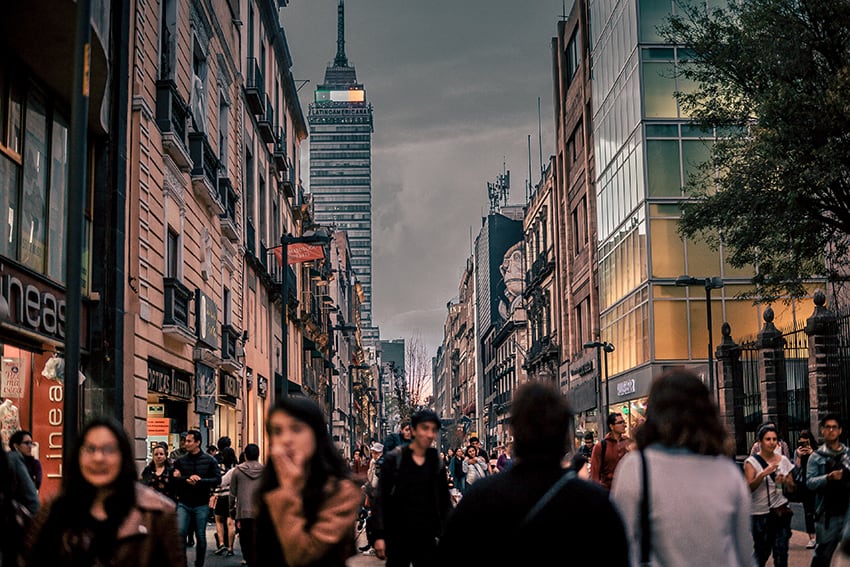
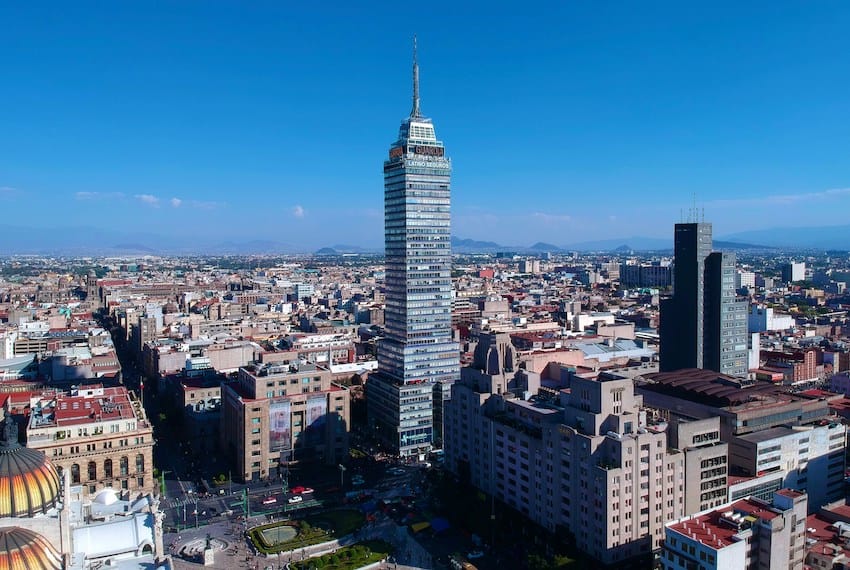
Mexico City was the clear winner. FDI in the capital was $10.58 billion, or 32% of the total between January and September.
The northern state of Nuevo León ranked second with $2.82 billion, or 9% of the FDI total.
That monetary figure is dwarfed by the combined investment amount of foreign companies that have announced plans this year to build plants in Nuevo León. In the space of just a few days last month, Governor Samuel García announced investments from Asian companies totaling more than $6 billion.
It appears that much of the investment in Nuevo León announced this year — including that linked to Tesla’s gigafactory plan — has not yet begun flowing into the state.
Sonora attracted the third highest FDI amount — $2.53 billion, or 8% of the total — while Chihuahua ($1.51 billion) and México state ($1.47 billion) ranked fourth and fifth, respectively.
Which industries received the most FDI?
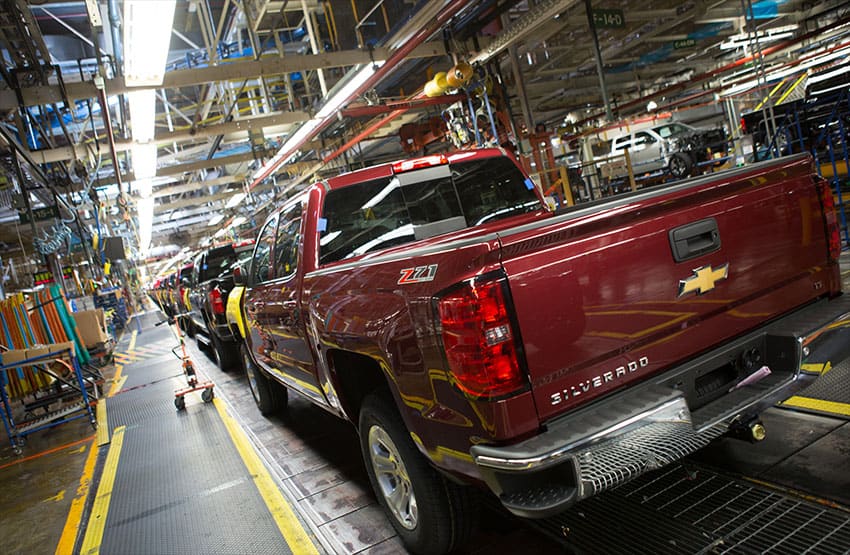
Over half of the FDI in the first nine months of the year — $17.5 billion or 53% — went to the manufacturing sector. Within that broad industry, 44% of investment went to the transport equipment sector, which includes automakers.
The remaining 56% of the $17.5 billion investment in manufacturing went to the following sectors: metal (14%); beverages and tobacco (13%); chemicals (8%); computer equipment (5%); energy generation equipment (5%); plastic and rubber (3%); food (3%); machinery (1%); other manufacturing industries (4%).
The financial services industry was the second largest recipient of FDI, attracting $7.2 billion or 22% of the total between January and September.
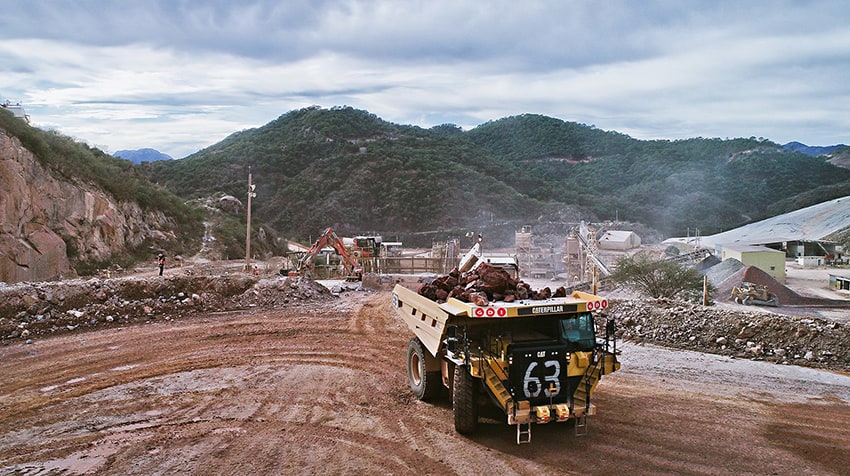
The mining industry ranked third, receiving $2.9 billion or 9% of total FDI, followed by the following sectors:
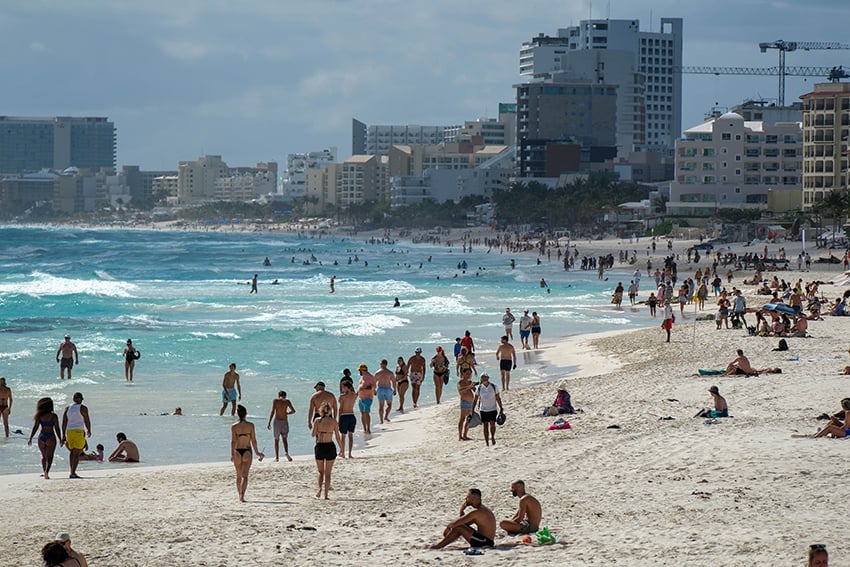
- Temporary accommodation (hotels, Airbnb, etc.), $2.2 billion, or 7% of the total
- Transport, $1.3 billion, 4%
- Construction, $759 million, 2%
- Wholesale retail, $582 million, 2%
Is the low level of new investment a cause for concern?
As noted above, only 8% of the FDI total in the first nine months of the year is new investment.
That figure is one percentage point higher than the reading after the first two quarters of 2023, but the new investment monetary total — $2.8 billion — is the lowest for the first nine months of a year since 2014 and represents a decline of 80% compared to the first three quarters of 2022.
Gabriela Siller, director of economic analysis at Mexican bank Banco Base, said that the new investment data indicates that Mexico is not taking full advantage of the nearshoring opportunity.
On Imagen Televisión, financial reporter David Páramo noted that not much “fresh” investment came into Mexico in the first nine months of the year.
“Mexico, in these times of relocation, in these times of improvement of global conditions, should be attracting a lot more foreign direct investment,” he said, noting that more money flows into the country in remittances than in FDI.
Páramo said that Mexico has “a great opportunity” to benefit from the relocation of foreign companies, but is not taking full advantage. It could be on the crest of the nearshoring “wave” but is only “in the middle,” he said, describing Mexico’s performance in attracting FDI as “mediocre.”
Some other observers also believe that Mexico runs the risk of missing its nearshoring opportunity, or at least not taking full advantage of it, for a variety of reasons.
Numerous foreign companies have recently announced that they will establish a presence in Mexico, but a lot of their proposed investment is still in the pipeline. Tesla, for example, announced in March that it will build a large plant in Nuevo León that is expected to entail investment of some $10 billion, but construction isn’t slated to start until early next year.
President López Obrador’s reaction to the latest FDI data
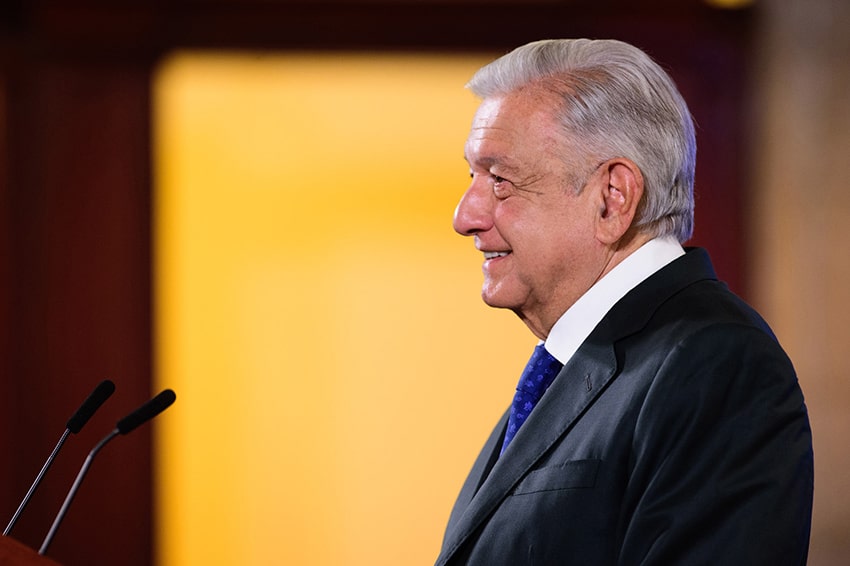
“The foreign investment data just came out, it’s a record,” López Obrador noted at his Thursday morning press conference.
He said that FDI creates jobs before asserting that Mexico has one of the lowest unemployment rates in the world, although many Mexicans — over half the total workforce — work in the informal sector.
López Obrador also noted that the Mexican peso remains strong. Analysts have cited strong incoming flows of foreign capital to Mexico as one factor that has helped the peso appreciate markedly this year.
López Obrador has frequently described investment conditions in Mexico as “unbeatable.”
“Mexico is among the countries … with the most advantages for foreign investment because it has a trade agreement that allows what is produced in Mexico to be exported to the United States and Canada [tariff-free]. That’s why a lot of investment is arriving and the forecast is that Mexico is going to grow a lot more than other countries,” he said earlier this year.
With reports from El Finaniciero
Source: Mexico News Daily