PARIS: Wealthy countries are failing to meet their promised targets to provide a funding “lifeline” to help poorer nations prepare for worsening climate calamities, the UN warned Wednesday (Oct 29).
Efforts to adapt to the increasingly dangerous and costly impacts of climate change – from building defensive sea walls, to planting drought-resistant crops – are set to be a major focus of United Nations climate negotiations in Brazil from November 10.
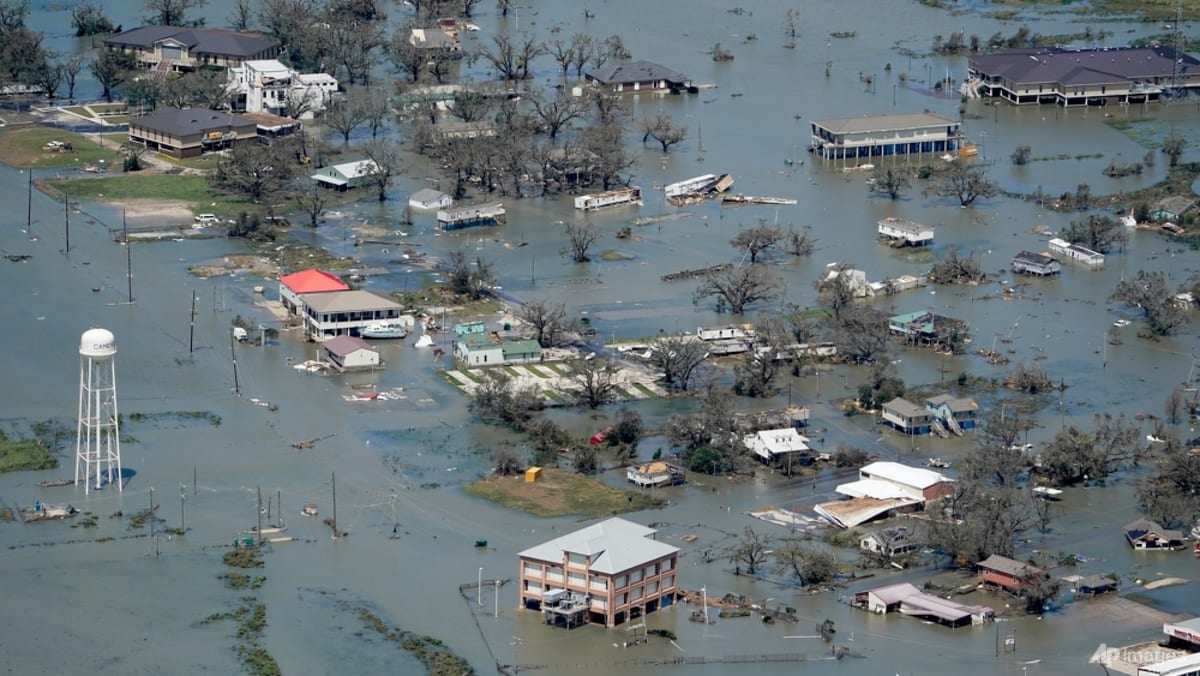
Storms supercharged by hotter seas, devastating floods, heatwaves and wildfires are intensifying across the planet as a result of warming driven by humanity’s burning of oil, gas and coal.
But the promised international funding is far off track, according to the latest Adaptation Gap report by the UN Environment Programme (UNEP).


“Climate impacts are accelerating. Yet adaptation finance is not keeping pace, leaving the world’s most vulnerable exposed to rising seas, deadly storms, and searing heat,” UN Secretary-General Antonio Guterres said in his message on the report.
“Adaptation is not a cost – it is a lifeline.”
Richer countries pledged in 2021 to double annual public adaptation finance for developing countries to around $40 billion by 2025.
Instead, funding actually fell from $28 billion in 2022 to $26 billion in 2023, according to the latest figures in this report. Data from 2024 and 2025 is not yet available.
In her foreword to the report, UNEP chief Inger Andersen said that it now “seems unlikely” that this trend will turn around, imperilling long-term climate finance goals and meaning “many more people will suffer needlessly”.
The report projected that the adaptation finance needs of developing countries would be over $310 billion by 2035, 12 times more than the 2023 levels.
“As action to cut greenhouse gas emissions continues to lag, these impacts will only get worse, harming more people and causing significant economic damage,” Andersen said in a statement.
Source: CNA