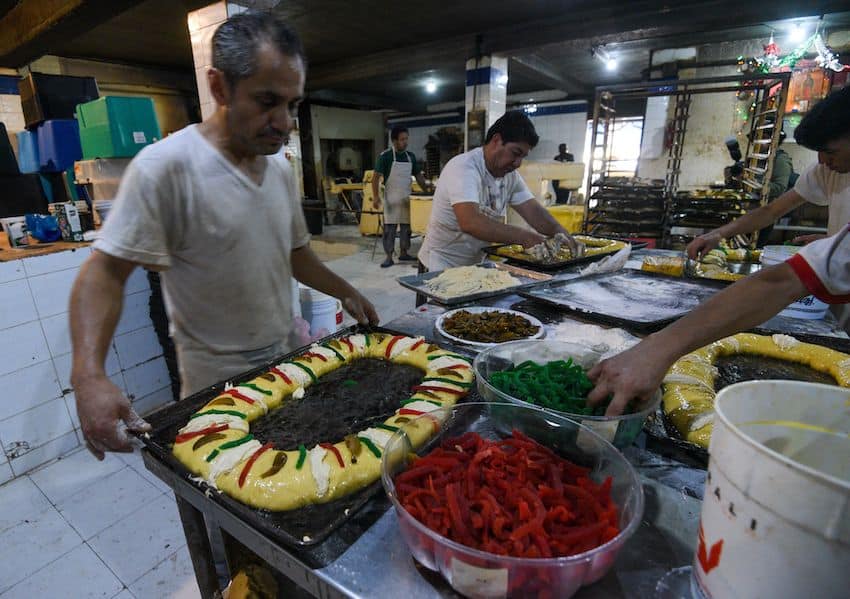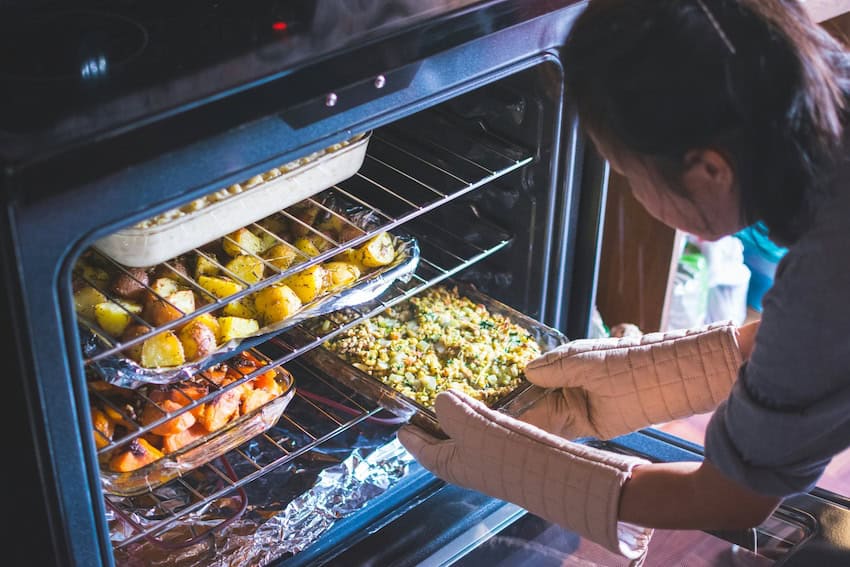
It’s a new year! 2025 is long gone — but Mexicans can’t get over the fact that last year’s turkey is still in the fridge, along with the ensalada de manzana and all the romeritos. What will we do with all this food? It will NOT go to waste, surely! Not in Mexico. Enter the dreaded recalentado.
If you live in a bi-cultural home, or have Mexican extended family and friends, you’ll have no choice: if they invite you over for dinner, recalentado will be a part of your life for quite a time this January.

Between the rush and the pending tasks that the end-of-year festivities left behind, it seems that this Mexican tradition is a great way to deal with the start of a new year. There are, however, some security and nutritional measures to keep in mind. Here’s what to know.
What on Earth is recalentado, anyway?
We, Mexicans, have serious attachment issues with our food. Especially the leftovers. That’s why the recalentado season lasts so long. It’s even longer than the dreaded Guadalupe-Reyes, the horrible tradition of getting drunk every day from Dec. 12, the Day of Our Lady of Guadalupe, to Jan. 6, the Day of the Three Wise Men (Día de Reyes). Believe it or not, Mexicans eat Christmas leftovers even past the January festivities.



Although the fridge is stuffed with recalentado Tupperware — and it often is kind of stinky by now — Mexican families find it impossible to simply throw everything away. Abuelas and aunties still find extraordinary excuses to prepare turkey tortas with a romeritos topping. Is this safe to consume?
Holiday leftover protocols
In an interview with Mexico News Daily, nutritionist Ana Teresa Copca explained, “Leftovers can be enjoyed safely for approximately 3 to 4 days after preparation.” Any dish should be safe to consume if refrigerated after cooling, “as long as the food has been stored properly,” she added. To securely store food after serving, she suggests a simple protocol:
Do not leave the food at room temperature beyond 2 hours after serving, as this “prevents bacteria from multiplying.”
Store in airtight containers and divide into small portions.
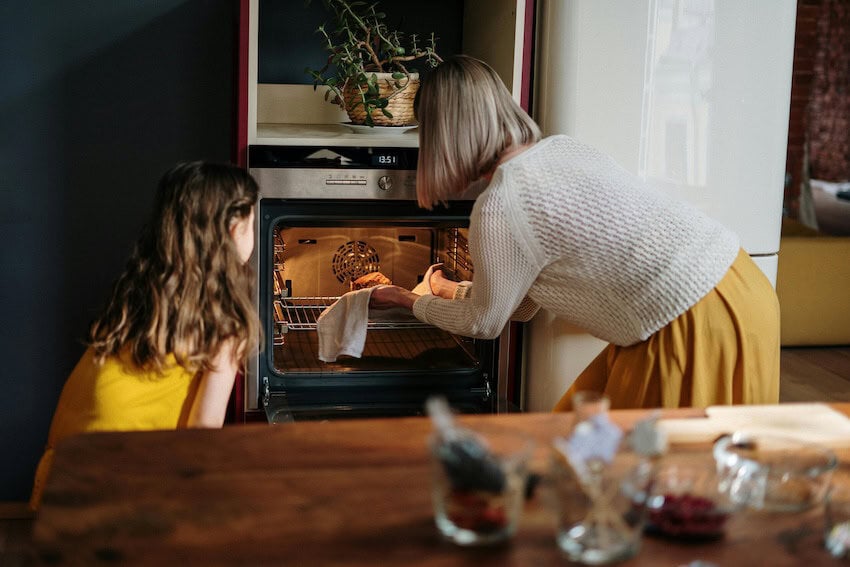
When reheating food, make sure it is piping hot, not just lukewarm.
If a strange odor, color or texture appears, do not consume it.
Although she acknowledges the cultural value recalentado has during the holidays in Mexico as a way to “prolong that festive atmosphere at home a little longer,” the nutritional aspect of proper eating should always be taken into account. Copca, however, is not an advocate of categorizing “foods as ‘healthy’ or ‘unhealthy.’” Consumers should “focus on the nutritional value of each dish.” If your recalentado was homemade “with fresh, balanced ingredients,” she said, “its nutritional value isn’t lost simply by reheating them.” In some cases, science shows “that some foods develop a better flavor the next day.”
Do we really need to get rid of the Christmas leftovers?
Beyond the holidays, Copca considers recalentado to be “a very useful practice in everyday life,” as it contributes to proper meal planning throughout the year. In countries like Mexico, in which food has a fundamental cultural and sentimental value, these practices foster “togetherness, family history and even nostalgia,” she noted.
So, although kids — and basically anyone — can get tired of eating exactly the same thing throughout the holidays, it seems it’s not a bad idea at all! Amidst the hustle and bustle of the holidays (and the lethargy that follows), the practice of reheating food could bring us some calm this post-holiday season. Mainly because you don’t have to worry about preparing something to eat or thinking about ordering anything: the food is already ready to be reheated — if we observe the safety measures, of course.
In addition to the safety recommendations, which we can never stop emphasizing, the specialist suggests avoiding guilt during this time of the year, as seasonal dishes are “also part of our culture and a way to connect with others.”
Not only that. Being mindful about what we eat is also a way to connect with our own bodies, “their cravings and satiety.” In her own clinical experience, “food is more than just nutrients: It’s memory, tradition, love and presence.”
So — just how long will the recalentado last? Until the plastic containers in the fridge are empty, according to honorable Mexican tradition.
Andrea Fischer contributes to the features desk at Mexico News Daily. She has edited and written for National Geographic en Español and Muy Interesante México, and continues to be an advocate for anything that screams science. Or yoga. Or both.
Source: Mexico News Daily