PRICE SENSITIVITY REMAINS A CHALLENGE
Indonesia plans to introduce a 1 per cent SAF blend in its aviation fuel by 2027, but the high cost of production remains a major obstacle.
SAF can cost two to five times more than conventional jet fuel.
Industry experts say the government needs to step in to ensure that airlines’ use of SAF doesn’t end up driving up ticket prices.
“The Indonesian market for air transport is highly sensitive towards price. It’s so much so that the government has not allowed any price increase for tickets since 2019,” said Alvin Lie, chairman of the Indonesian Association of Air Transport Service Users.


“Now, the fact is that SAF is still expensive, so even a 1 per cent of SAF in the fuel will drive the cost up and inevitably the cost of air tickets will go up.”
Lie suggested that the government look into removing the 12 per cent value-added tax on aviation fuel and air tickets.
“If the government wants to progress with the use of SAF, the least (it) can do is abolish the value-added tax, both for air tickets as well as fuel for domestic routes,” he said.
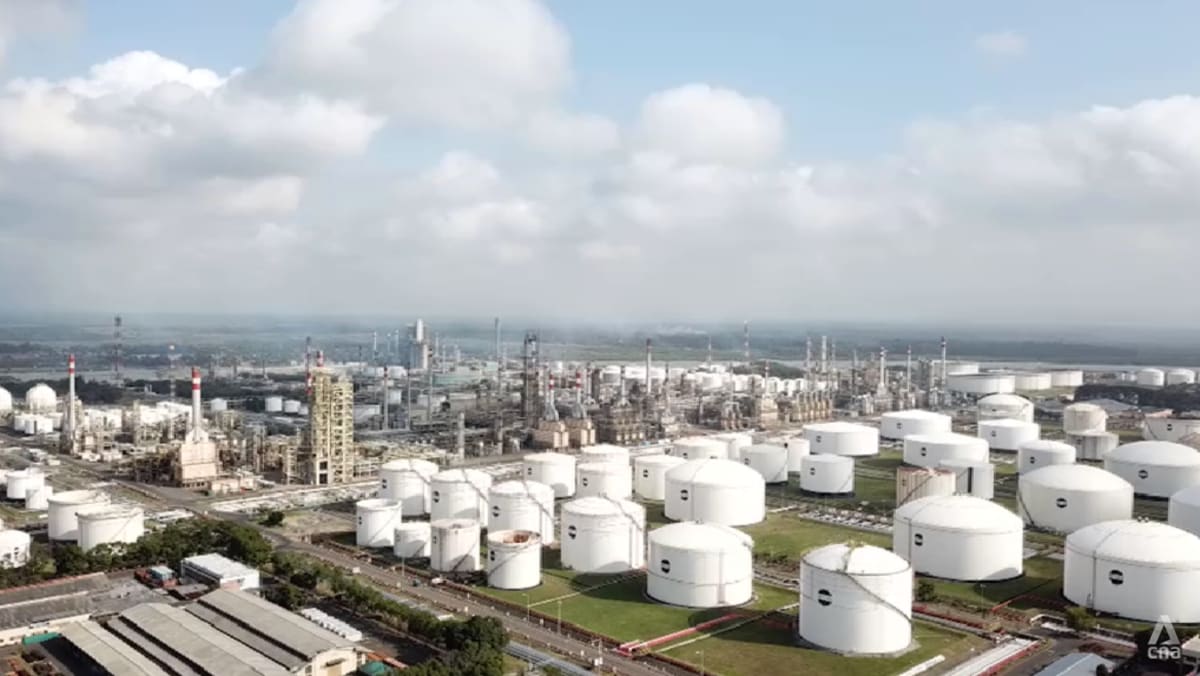
Despite these challenges, Indonesia’s ambition to become a regional leader in sustainable aviation fuel is gradually taking shape.
Real progress will depend on how quickly the country can scale up production and secure a steady supply of feedstock – the waste oils and other organic materials that are refined into sustainable fuel.
Indonesia’s transport sector accounts for around 22 per cent of the country’s energy-related carbon dioxide emissions, according to the International Energy Agency.
For now, SAF remains central to Indonesia’s net-zero emissions goals – and could be its ticket to cleaner, greener skies.
Source: CNA