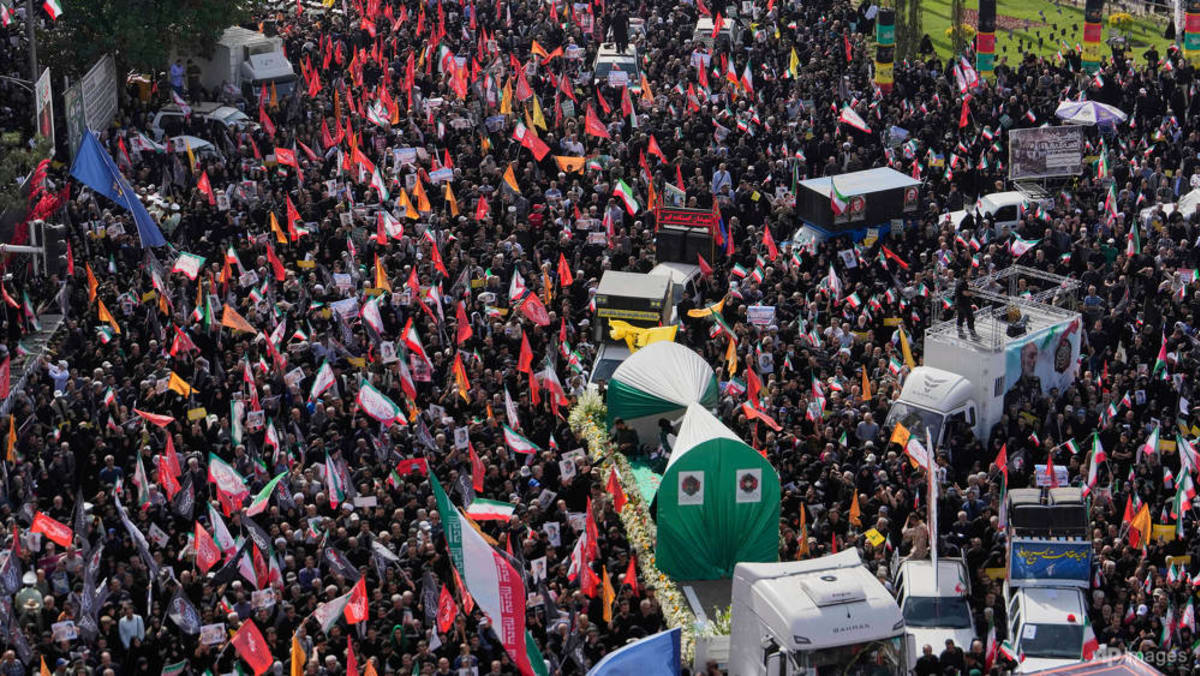
TEHRAN: Iran on Sunday (Jun 29) said it was not convinced Israel would abide by a ceasefire that ended their 12-day war this week.
The most serious escalation to date between the arch-foes erupted on Jun 13, when Israel launched a bombing campaign in Iran that killed top military commanders and scientists linked to its disputed nuclear programme.
Israel said its aim was to keep the Islamic Republic from developing a nuclear weapon – an ambition Tehran has consistently denied, insisting it has the right to develop nuclear power for civilian purposes like energy.
The fighting derailed nuclear talks between Iran and the United States, a staunch ally of Israel’s.


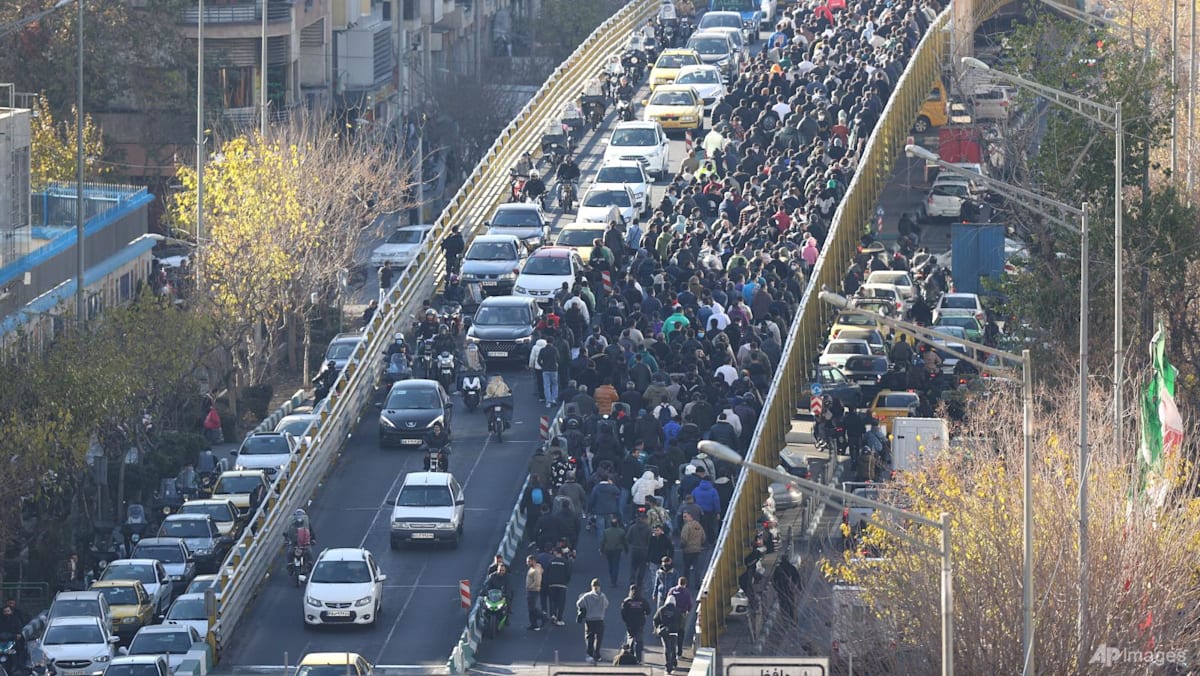

“We did not start the war, but we have responded to the aggressor with all our power,” Iran’s armed forces chief of staff, Abdolrahim Mousavi, was quoted as saying by state television, referring to Israel.
“We have serious doubts over the enemy’s compliance with its commitments including the ceasefire, we are ready to respond with force” if attacked again, he added, six days into the ceasefire announced by US President Donald Trump.
DEADLY WAR
In a letter to UN Secretary-General Antonio Guterres published on Sunday, Iran demanded that the United Nations recognise Israel and the United States as being to blame for this month’s war.
“We officially request hereby that the Security Council recognise the Israeli regime and the United States as the initiators of the act of aggression and acknowledge their subsequent responsibility, including the payment of compensation and reparations,” Iranian Foreign Minister Abbas Araghchi wrote in the letter.
The United States joined Israel in its campaign during the war, carrying out strikes on three key facilities used for Iran’s atomic programme.
Trump has threatened further strikes should Iran enrich uranium to levels capable of manufacturing nuclear weapons.
According to the International Atomic Energy Agency, Iran had enriched uranium to 60 per cent in 2021, well above the 3.67 per cent limit set by a 2015 agreement from which the United States unilaterally withdrew in 2018.
To make a weapon, Iran would need to enrich uranium up to 90 per cent.
Israel has maintained ambiguity about its own atomic arsenal, neither officially confirming nor denying it exists, but the Stockholm International Peace Research Institute has estimated it has 90 nuclear warheads.
Source: CNA