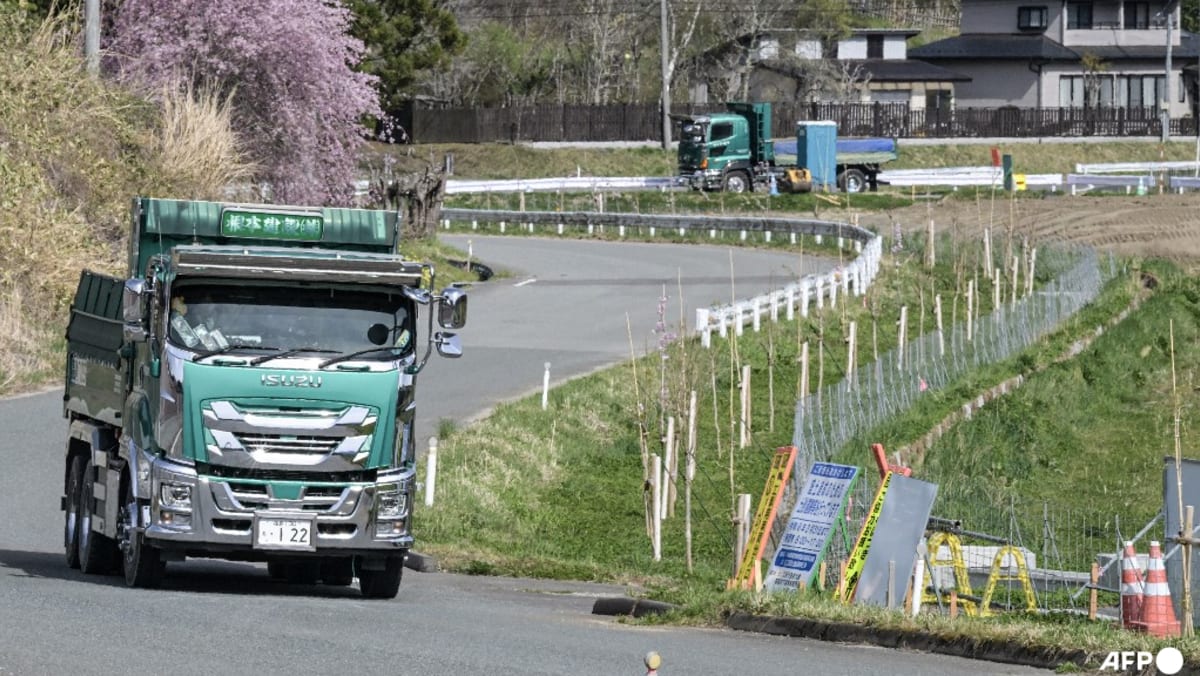
TOKYO: A law allowing nuclear reactors to operate beyond 60 years took effect in Japan on Friday (Jun 6), as the government turns back to atomic energy 14 years after the Fukushima catastrophe.
The world’s fourth-largest economy is targeting carbon neutrality by 2050 but remains heavily reliant on fossil fuels – partly because many nuclear reactors were taken offline after the 2011 Fukushima meltdown.
The government now plans to increase its reliance on nuclear power, in part to help meet growing energy demand from artificial intelligence and microchip factories.
The 60-year limit was brought in after the 2011 disaster, which was triggered by a devastating earthquake and tsunami in northeast Japan.



Under the amended law, nuclear plants’ operating period may be extended beyond 60 years – in a system similar to extra time in football games – to compensate for stoppages caused by “unforeseeable circumstances”, the government says.
This means, for example, that one reactor in central Japan’s Fukui region, suspended for 12 years after the Fukushima crisis, will now be able to operate up until 2047 – 72 years after its debut, the Asahi Shimbun daily reported.
But operators require approval from Japan’s nuclear safety watchdog for the exemption. The law also includes measures intended to strengthen safety checks at ageing reactors.
Source: CNA