Like other respiratory viruses, RSV often spreads within households and reinfection can occur. Parents should be alert to worsening symptoms such as breathing difficulties or apnoea (temporary pauses in breathing). Dr Tan explained: “The child may require hospitalisation so that they can be monitored and receive additional care, such as supplemental oxygen, intravenous fluids and mechanical ventilation.”
To protect infants, he emphasised that good hygiene practices go a long way. “Make it a habit to wash your hands frequently and avoid touching your nose or face. If your child is unwell, keep them at home until they recover and wear a mask.”
Dr Tan also advised parents to consult their child’s healthcare professional about preventive measures, including immunisation recommendations.
Above all, awareness remains key to driving collective action against the virus. “RSV is a serious threat,” said Dr Tan. “With greater understanding, we can better safeguard the health of all infants.”


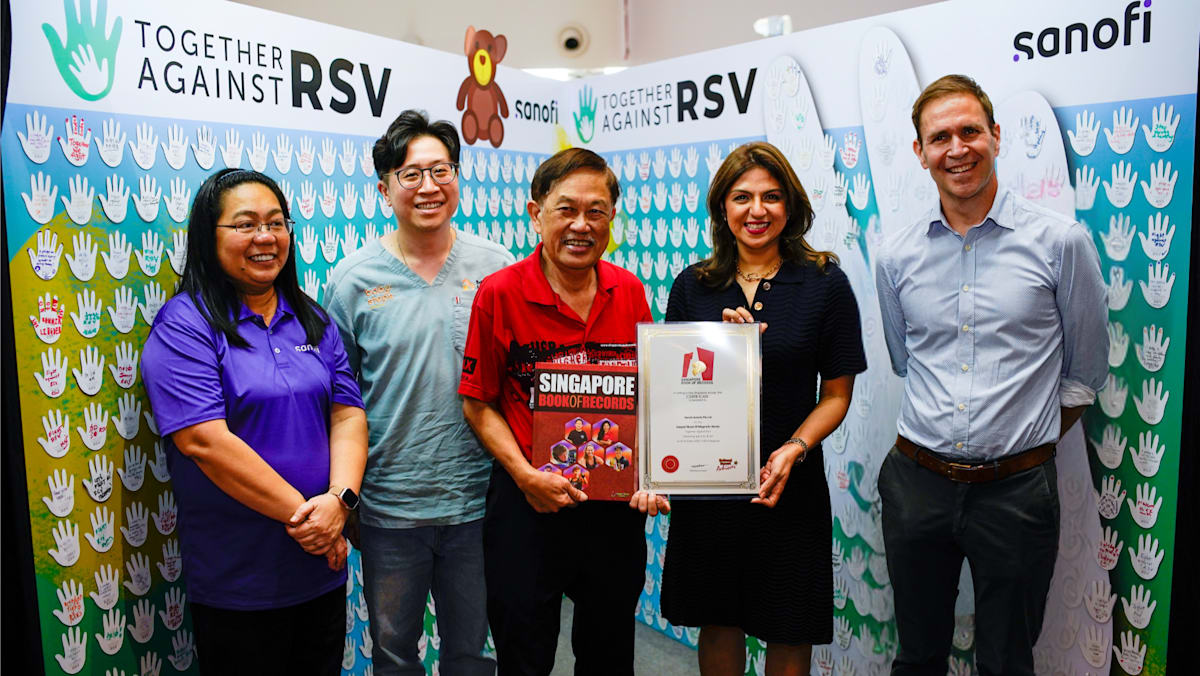
Speak to your paediatrician to learn about RSV prevention. Visit Together Against RSV for more information.
MAT-SG-2500440-1.0-11/2025
Source: CNA