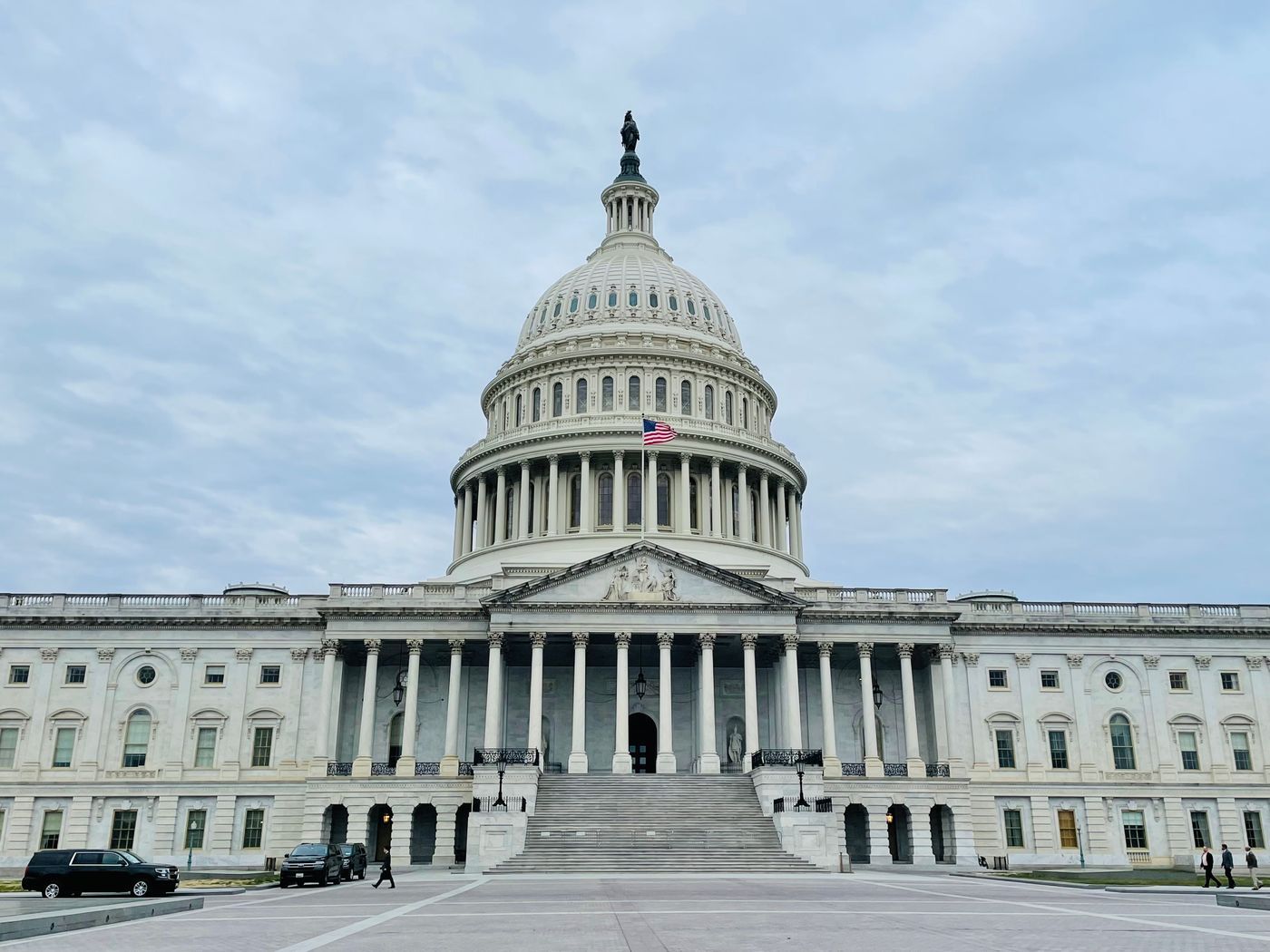
Separation of Powers
Separation of Powers is a governing principle dividing government authority among distinct branches, typically executive, legislative, and judicial, intended to prevent excessive concentration of power.
Dividing government authority among distinct, independent branches specifically to prevent any single entity from accumulating excessive power, this principle became a foundational design element of modern democratic constitutions worldwide.
Montesquieu's Theoretical Framework
French philosopher Montesquieu significantly developed and popularized the theory of separation of powers in the 18th century, influencing numerous subsequent constitutional designs.
Three Distinct Branches
The principle typically divides government into three distinct branches: executive, legislative, and judicial, each with independent authority and the ability to check the others' power.
Preventing Concentrated Power
The core purpose of separating powers is preventing any single branch or individual from accumulating excessive, unchecked governmental authority, protecting against potential tyranny.
Varying Implementation Across Democracies
Different democratic countries implement separation of powers with significant variation, from strict presidential systems to more blended parliamentary systems with less rigid branch separation.