🏛 Politics & Government
Political systems, institutions, and governance
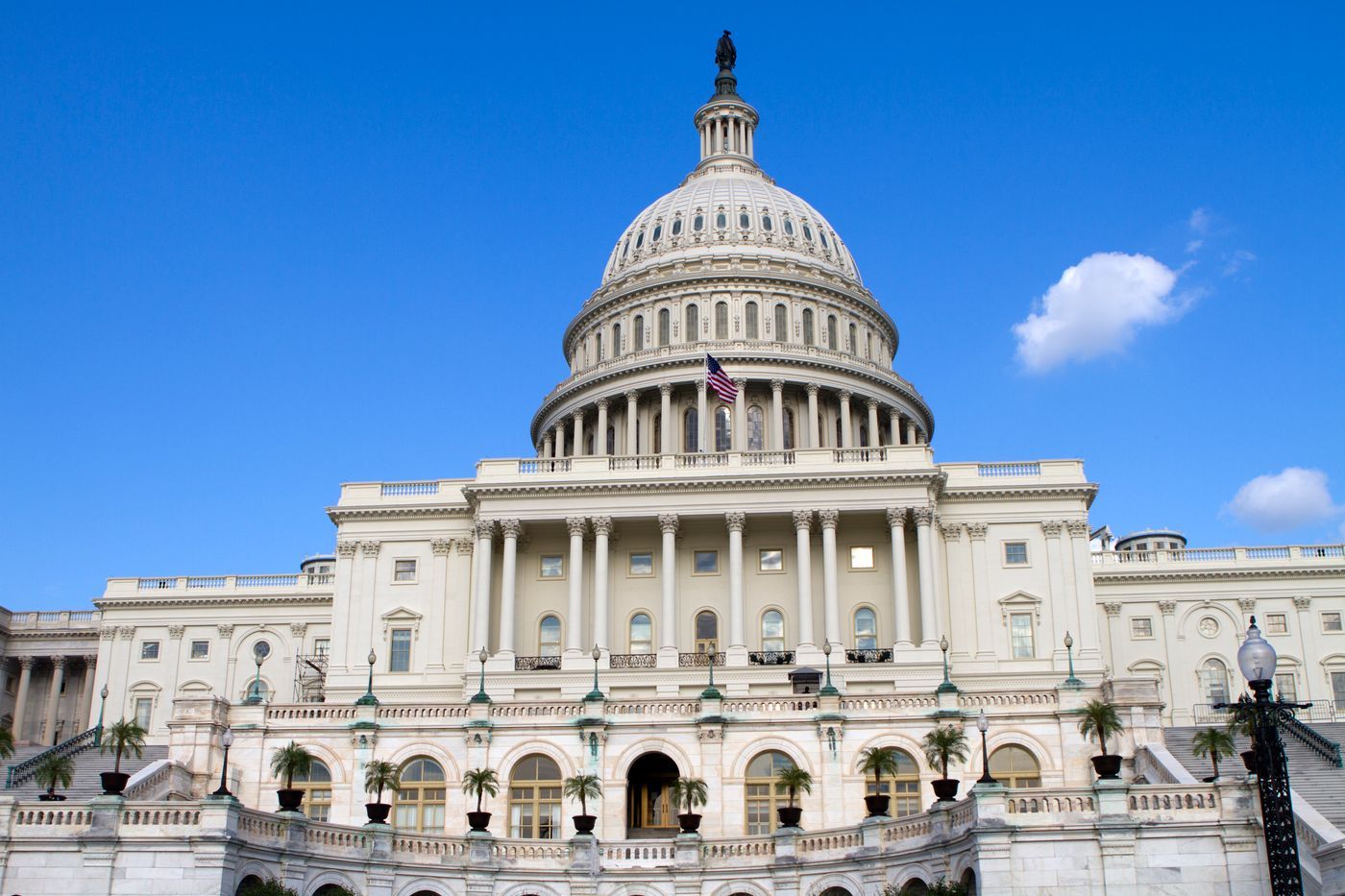
The 2025 United States government shutdown was the longest in the nation's history, resulting from a budget impasse in Congress and generating sustained national search interest for weeks.
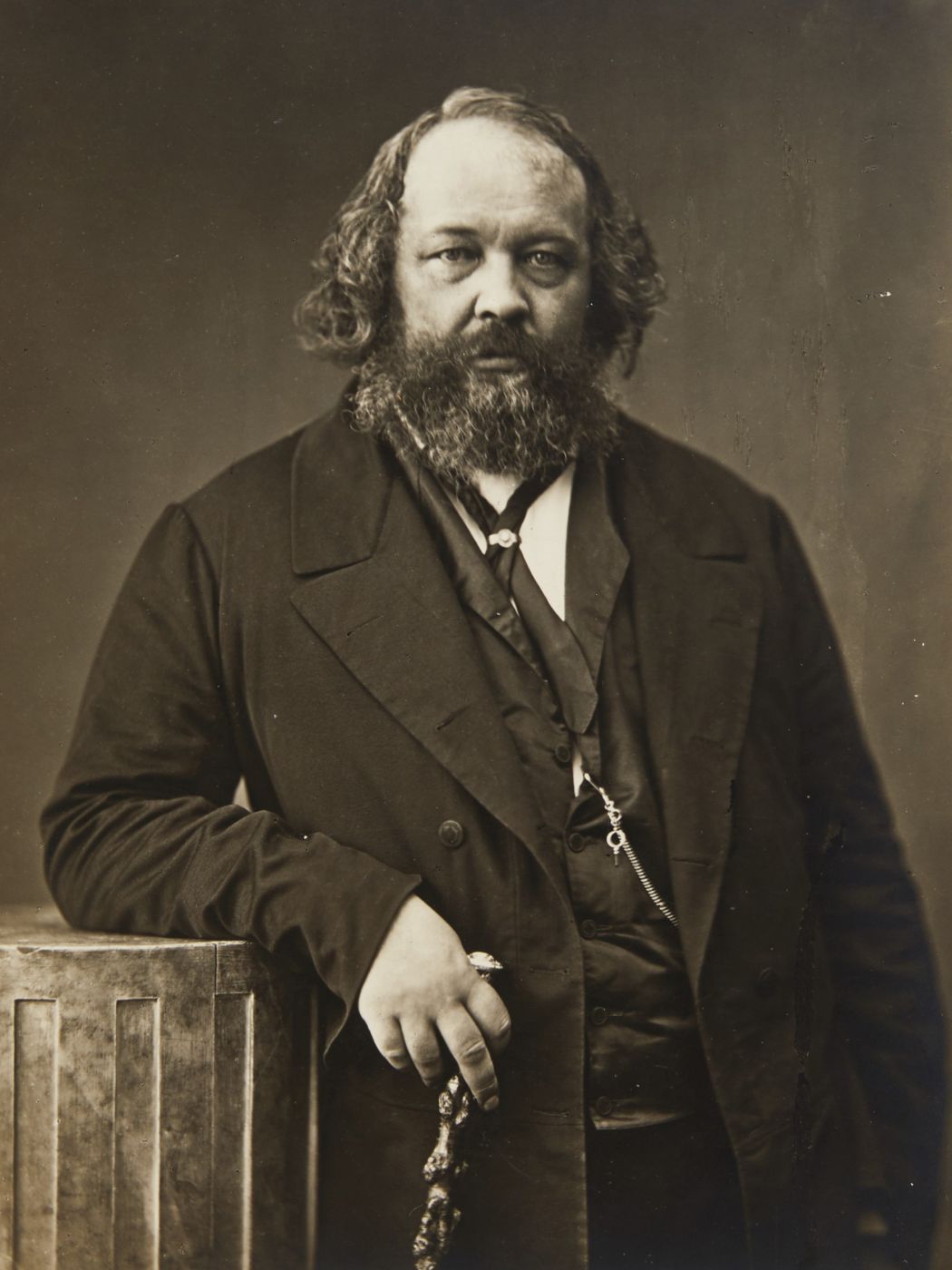
Anarchism is a political philosophy advocating for the abolition of government and hierarchical authority structures, developing significantly as an organized movement in the 19th century.

The seventh President of the United States, known for expanding presidential power and significant, often controversial policies regarding Native American removal

Angela Merkel served as Chancellor of Germany from 2005 to 2021, becoming one of the most influential leaders in modern European politics and the first woman to hold the office.

Apartheid was a system of institutionalized racial segregation and discrimination formally implemented in South Africa from 1948 to the early 1990s, drawing significant international condemnation.

ASEAN, or the Association of Southeast Asian Nations, is a regional political and economic organization established in 1967, promoting cooperation among Southeast Asian countries.
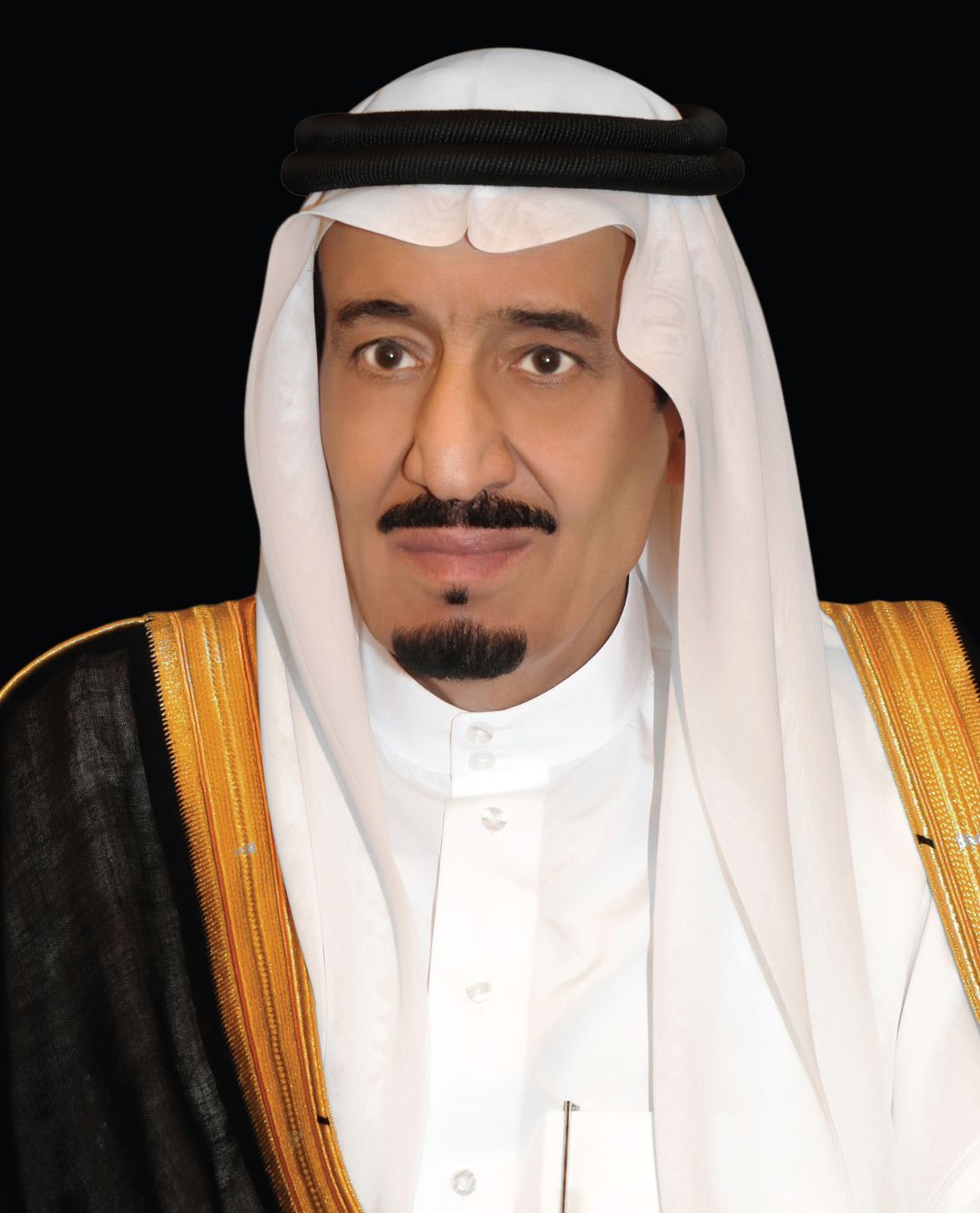
Autocracy is a political system in which absolute power is concentrated in the hands of a single individual, practiced throughout human history across numerous societies.

Barack Obama served as the 44th President of the United States from 2009 to 2017, becoming the first African American to hold the office.

President of Syria whose rule has been marked by significant and prolonged civil conflict, generating substantial international controversy
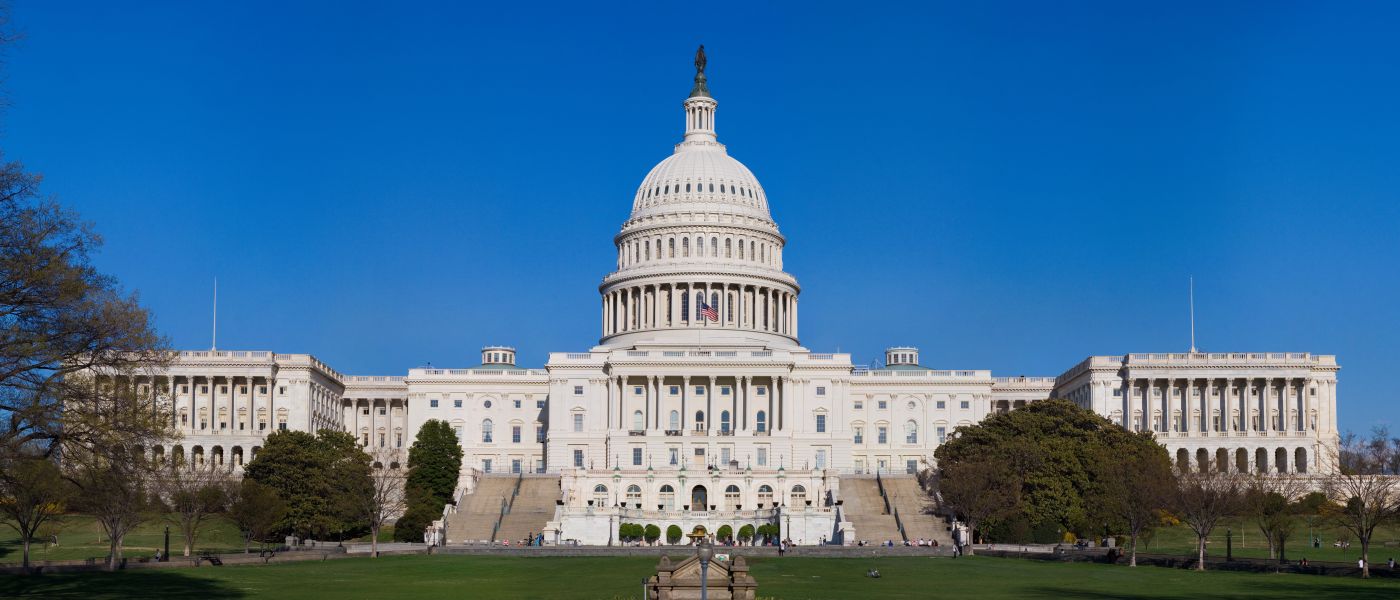
Bicameralism is a legislative structure featuring two separate chambers, practiced across numerous democratic systems worldwide as a mechanism for balanced governance.

The forty-second President of the United States, presiding over significant economic growth during the 1990s and facing significant political controversy including impeachment

The first President of the Russian Federation, playing a significant role in the dissolution of the Soviet Union and subsequent Russian political transition

Charles de Gaulle was a French general and statesman who led the Free French Forces during World War II and later founded the Fifth French Republic, serving as its first president.
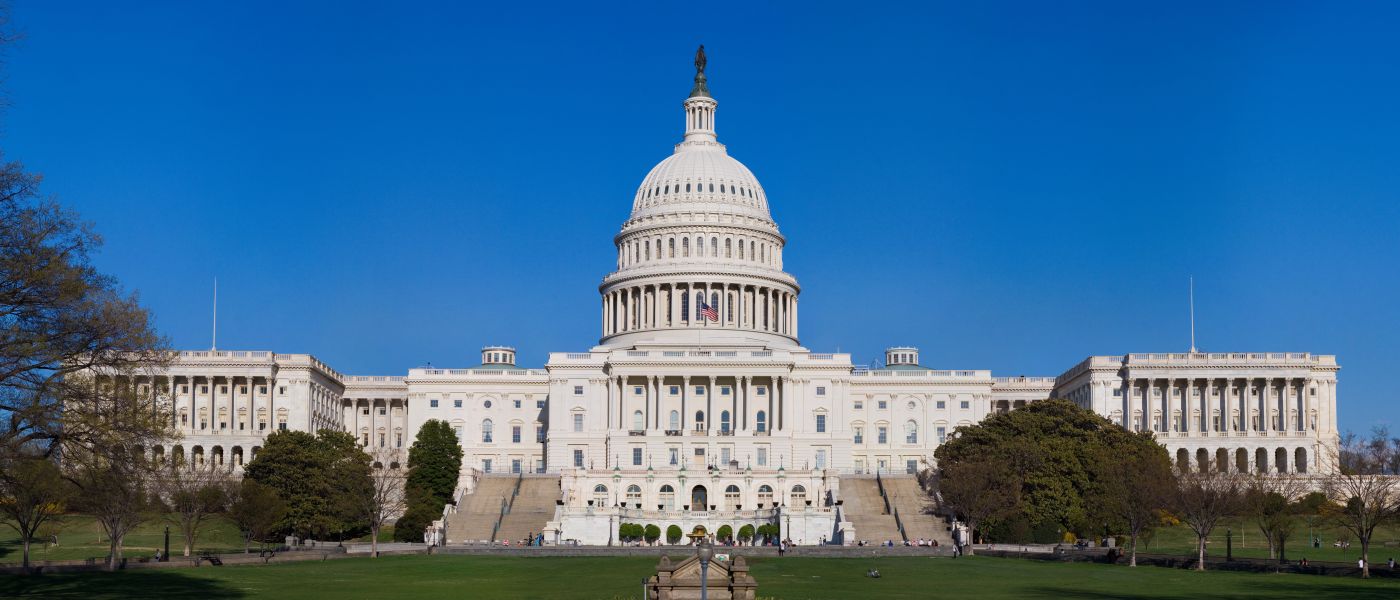
Checks and Balances is a governing system in which different branches of government possess powers to limit or oversee the actions of other branches, preventing excessive concentration of authority.
Coalition Governments are governmental arrangements in which multiple political parties share power, practiced across numerous parliamentary democracies worldwide.

Colonialism refers to the practice of a country establishing political and economic control over foreign territories, extensively practiced by European powers from the 15th through 20th centuries with lasting global consequences.
Communism is a political and economic ideology advocating a classless society with collective ownership of production, significantly shaping 20th-century global politics through its implementation in numerous countries.
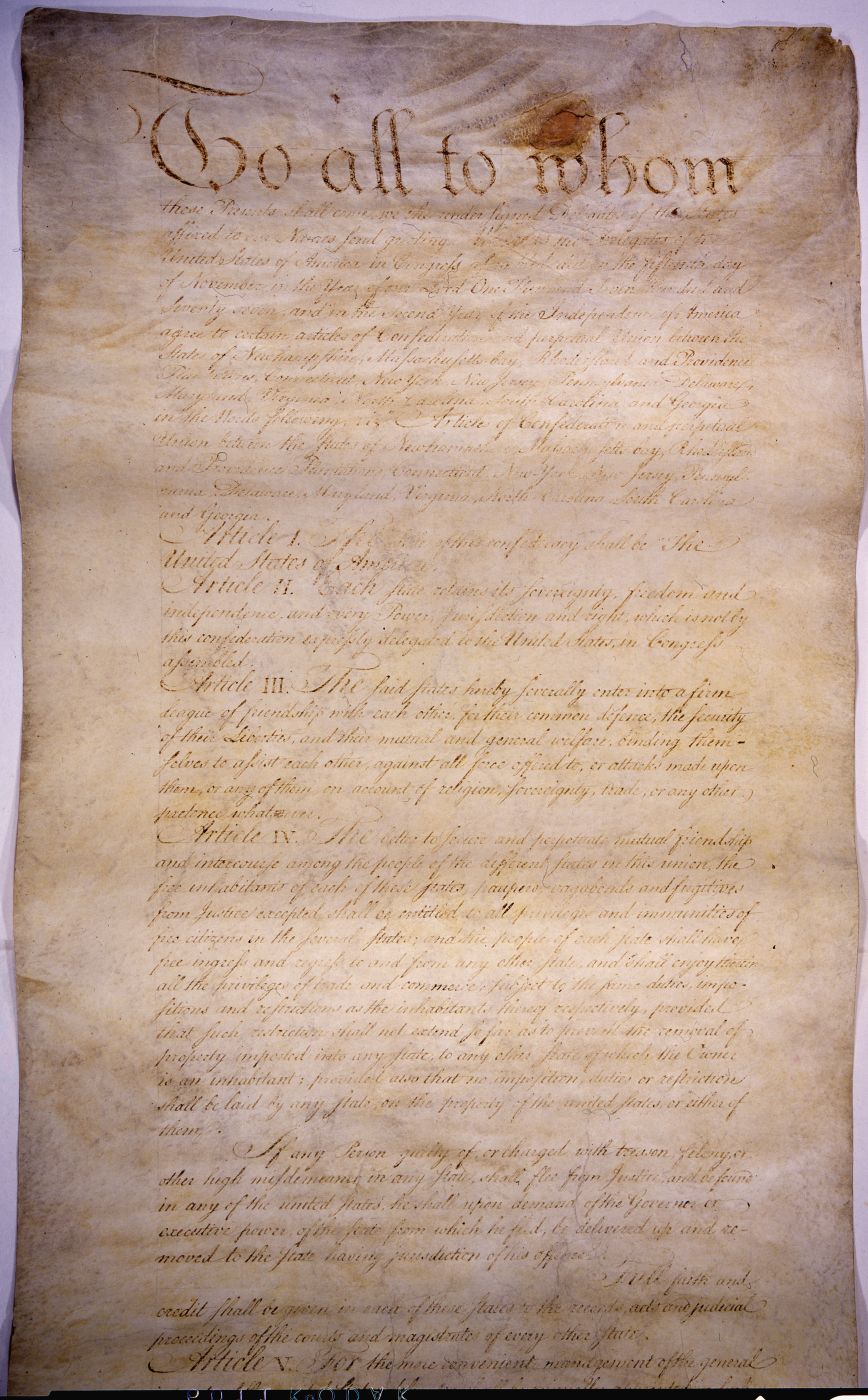
Confederations are political structures in which member states retain significant independent sovereignty while cooperating through a limited central authority, practiced throughout political history.
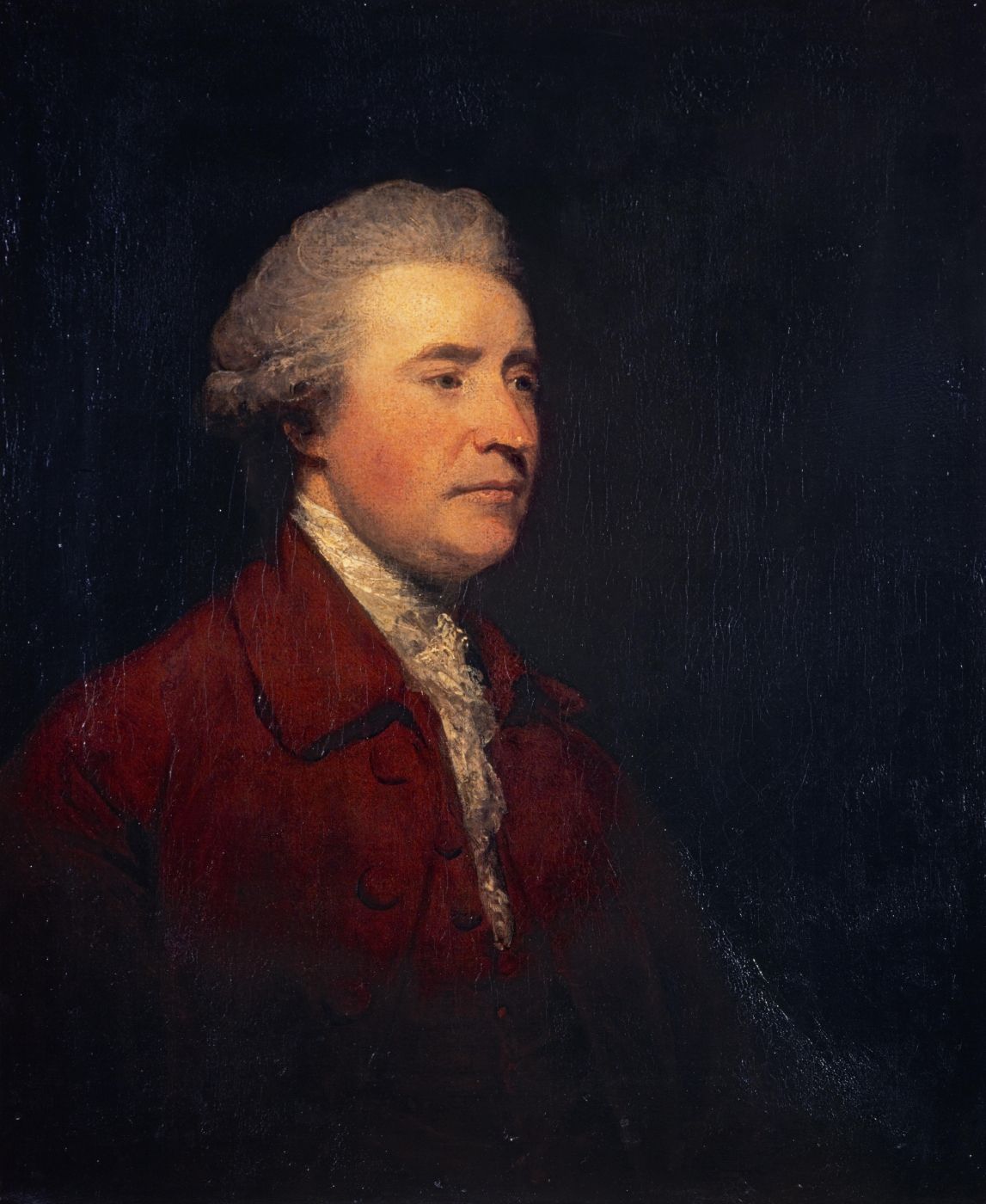
Conservatism is a political ideology emphasizing tradition, established institutions, and gradual rather than rapid social change, developing significantly as a response to Enlightenment-era political change.

Constitutions are foundational legal documents establishing a government's structure, powers, and often citizens' fundamental rights, forming the basic legal framework for modern nation-states.
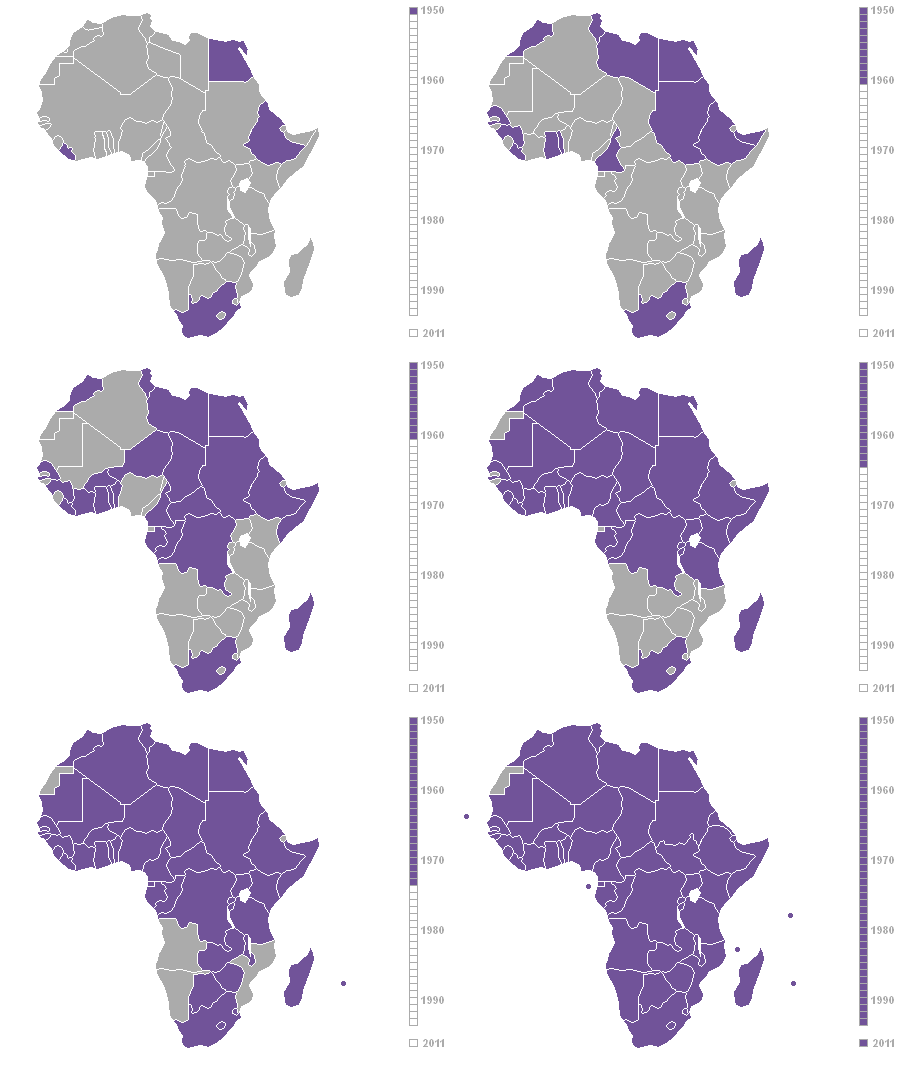
Decolonization refers to the process by which colonies achieved political independence from colonial powers, occurring extensively throughout the 20th century and reshaping the global political map.

Led China's economic reforms and opening to the world beginning in the late 1970s, transforming the country's economy while maintaining strict one-party political control

Diplomacy is the practice of conducting negotiations and maintaining relations between countries, forming an essential mechanism for managing international relations and resolving disputes without resorting to armed conflict.

Diplomatic Immunity is a significant legal and political concept protecting diplomats from legal action in host countries, developed through international customary law.